At a Glance
- Withings U-Scan clips inside any toilet and analyzes urine for pH, vitamin C, ketones, and calcium
- Two starter packages: Proactive ($380) or Intensive ($450), each cartridge lasts 22 tests and renews every 2-3 months
- Setup is tricky-twist-to-seal shell requires serious grip strength-but daily use is as simple as pressing “Launch a measurement” in the app
- Why it matters: Turns an ancient medical tool into a gamified morning ritual, yet healthy users may find the data hard to act on
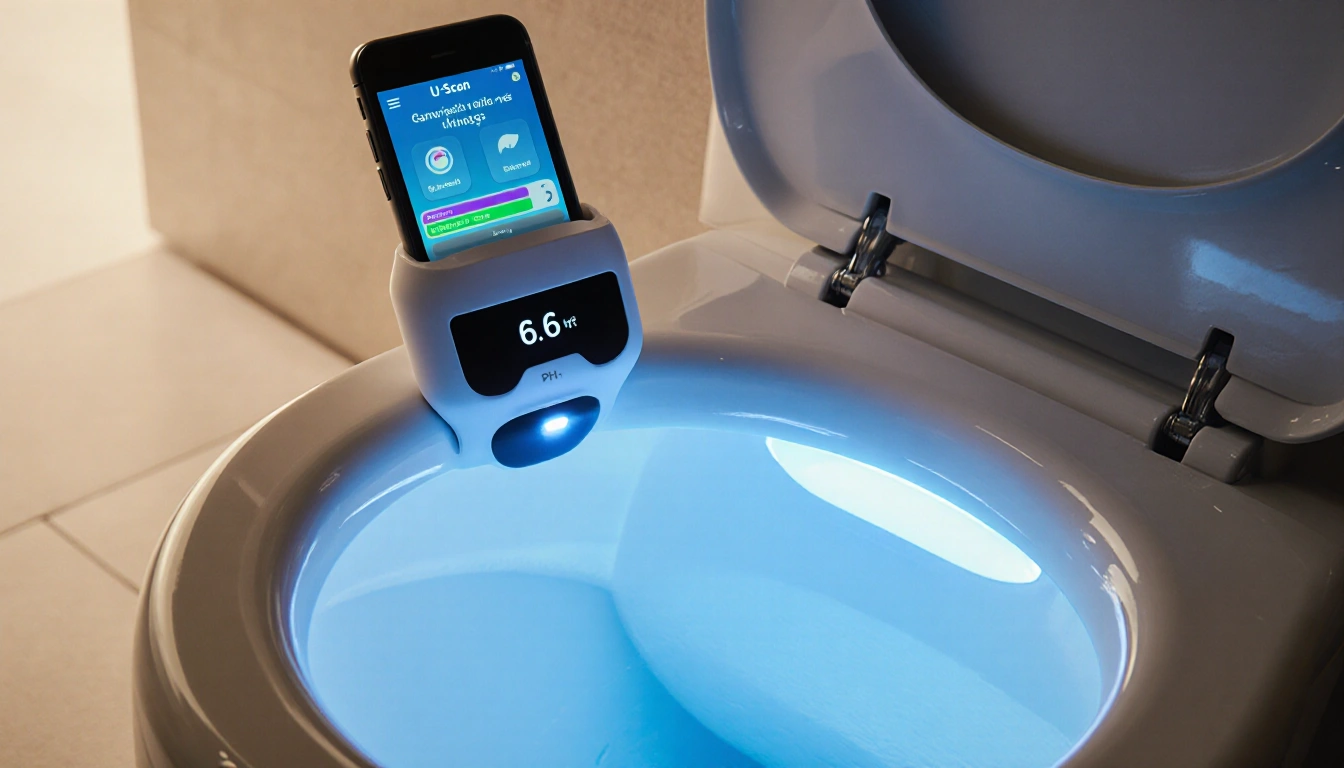
The $380 Withings U-Scan has landed in American bathrooms, promising hospital-grade urinalysis without the plastic cup. After three weeks of peeing on what looks like a hockey-puck-sized seashell, the verdict is mixed: the gadget is addictive, but its health payoff for already-healthy people remains fuzzy.
How the U-Scan Works
- Clip the sealed reader under the toilet rim-three clip sizes fit most bowls.
- Insert a 22-test cartridge (Nutrio for nutrition or Calci for kidney metrics).
- Tap “Launch a measurement” in the Withings app; a thermal sensor detects urine within a two-minute window.
- Micro-pumps pull 3 milliliters into micro-channels, inject it onto a colorimetric strip, and an LED reads color changes.
- Results-pH, specific gravity, vitamin C, ketones, or calcium-arrive in the app within minutes.
## What It Actually Measures
| Metric | Nutrio Cartridge | Calci Cartridge |
|---|---|---|
| pH | ✔ | ✔ |
| Specific gravity | ✔ | ✔ |
| Vitamin C | ✔ | – |
| Ketones | ✔ | – |
| Calcium | – | ✔ |
All ranges are color-coded: green for normal, amber for borderline, red for out-of-range.
Living With a Toilet Lab
The author tested once daily at 7 a.m. for 24 days. Most readings hovered inside normal zones; occasional pH or vitamin-C spikes vanished within 48 hours-sometimes after extra water, sometimes without intervention. The gamified feedback loop (“fix the amber dot”) felt rewarding, yet the actionable advice rarely went beyond “drink more water” or “eat vegetables.”
House-guest protocol became awkward: users had to explain why a blinking puck was staring up at them. The twist-seal mechanism, while watertight, demands forearm strength; re-opening for monthly deep-clean still felt like a jar-lifting contest.
Who Might Benefit
- Diabetics tracking ketones daily
- Kidney-disease patients monitoring calcium or protein
- Elite athletes fine-taining hydration and pH
- Bio-curious healthy users who enjoy data for data’s sake
For the last group, the risk is obsessive micro-adjustment over transient fluctuations that clinicians would ignore.
Real Costs Over Time
| Package | Upfront | Renewal Every 2-3 Months |
|---|---|---|
| Proactive (1 cartridge) | $380 | $100 |
| Intensive (2 cartridges) | $450 | $180 |
Each cartridge lasts 22 tests; heavy users (twice daily) drain a cartridge in a month, trimming battery life from the advertised three months to roughly four weeks.
Bottom Line
The U-Scan nails the engineering: no strips, no cups, no lab queue. It turns the second-oldest medical test into a seamless morning ritual. Yet for the healthy majority, the data stream is more entertaining than essential; a glass of water and a salad already fix most amber warnings. Until Withings adds cartridges for UTI detection, ovulation hormones, or medication adherence, the $380 price-and ongoing $100-$180 refill cycles-feels like paying for a smart scale that only measures your socks.
Key Takeaways
- Installation is harder than expected; budget ten minutes and strong wrists.
- Daily use is effortless: open app, pee normally, get results before you flush.
- For healthy users, insights rarely exceed common-sense advice.
- Huge, untapped potential for chronic-disease management once cartridge menu expands.