
A transgender data scientist at the NSA has filed a lawsuit against the Trump administration, challenging a new executive order that restricts the recognition of gender identities.
The suit, filed Monday in U.S. District Court in Maryland, claims the order denies Ms. O’Neill’s very existence.
Sarah O’Neill, a data scientist for the NSA, argues that the order and related policies violate federal civil rights law.
The executive order, issued on Inauguration Day, requires the federal government to recognize only two immutable sexes: male and female.
This directive echoes rhetoric from President Donald Trump’s 2024 campaign and has prompted a series of workplace policies that O’Neill contests.
According to the complaint, the NSA has since rescinded its policy that acknowledged O’Neill’s transgender identity and her right to a harassment-free workplace.
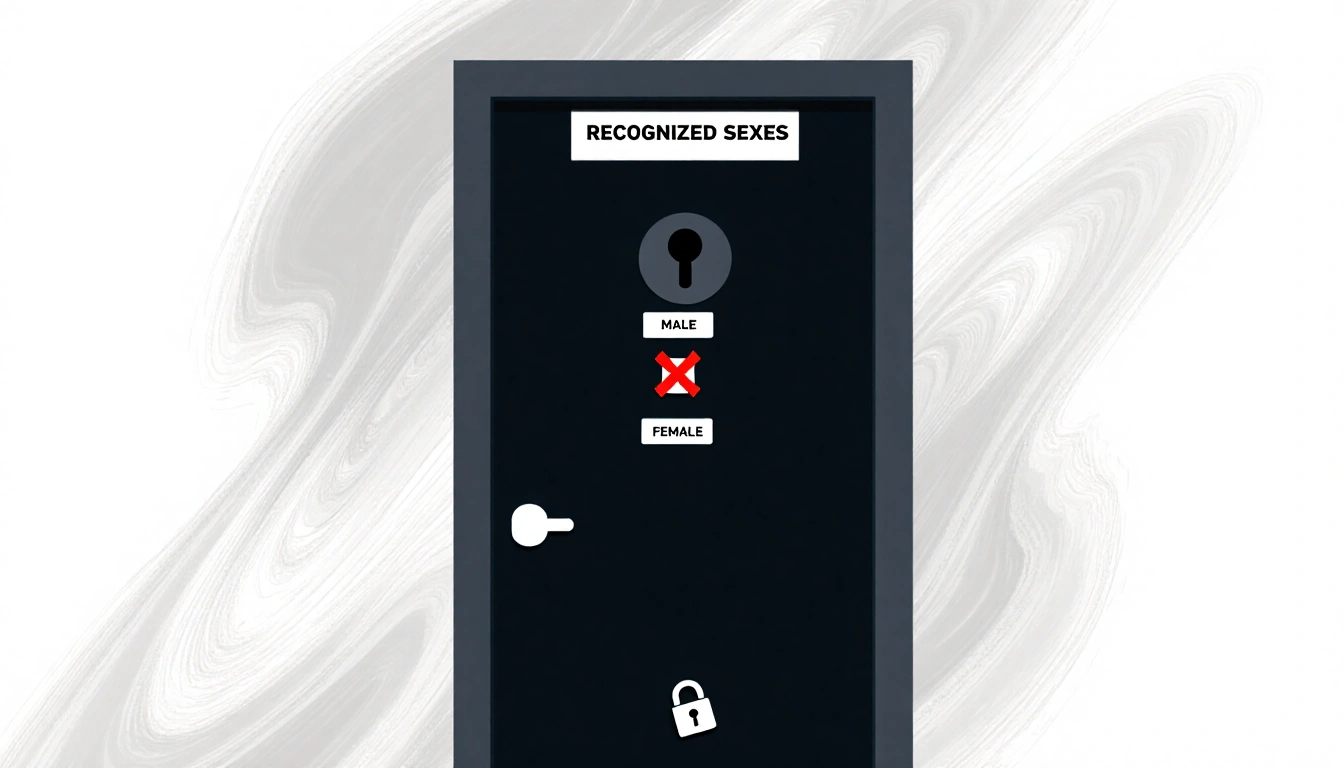
The lawsuit further alleges that the agency now prohibits her from identifying her pronouns as female in written communications.
It also claims that O’Neill is barred from using the women’s restroom at her workplace.
O’Neill says these actions create a hostile work environment and infringe upon her rights under Section VII of the Civil Rights Act.
In 2020, the U.S. Supreme Court ruled that the Act’s prohibition on sex-based discrimination extends to gender identity.
The Court’s majority opinion noted, “We agree that homosexuality and transgender status are distinct concepts from sex,” and added, “But, as we’ve seen, discrimination based on homosexuality or transgender status necessarily entails discrimination based on sex; the first cannot happen without the second.”
O’Neill’s complaint states, “The Executive Order rejects the existence of gender identity altogether, let alone the possibility that someone’s gender identity can differ from their sex, which it characterizes as ‘gender ideology.'”
She seeks restoration of her workplace rights and protections, as well as financial damages for the alleged discrimination.
The White House has not yet responded to a request for comment on the lawsuit.
Trump’s order was part of a flurry of executive actions taken within hours of his second inauguration.
He has continued to rely on executive authority throughout his second term, sparking numerous legal challenges that remain in the federal courts.
The case highlights the ongoing tension between executive policy and civil rights protections in federal employment.
It raises questions about how executive orders interact with existing civil rights statutes.
The lawsuit relies on the Supreme Court’s 2020 ruling that gender-identity discrimination is covered under the Civil Rights Act’s sex-discrimination provision.
The court’s decision affirms that discrimination based on gender identity falls under the Act’s prohibition of sex discrimination.
If the court finds in favor of Ms. O’Neill, the order may be invalidated and the NSA’s policies may be required to comply with federal law.
The case underscores the broader debate over how gender identity is treated under federal law.
It will be a test of the executive’s authority to limit the recognition of gender identities.
Key Takeaways
- The lawsuit is filed in Maryland federal court, alleging the order denies Ms. O’Neill’s existence.
- The order limits recognized sexes to male and female, prompting policies that bar her from using female pronouns and restroom.
- The case relies on the Supreme Court’s 2020 ruling that gender-identity discrimination is covered under the Civil Rights Act’s sex-discrimination provision.
- If successful, the suit could compel the NSA and other agencies to reverse discriminatory policies and reaffirm protections for transgender employees.
The outcome will be closely watched by civil-rights advocates, legal scholars, and government officials alike.