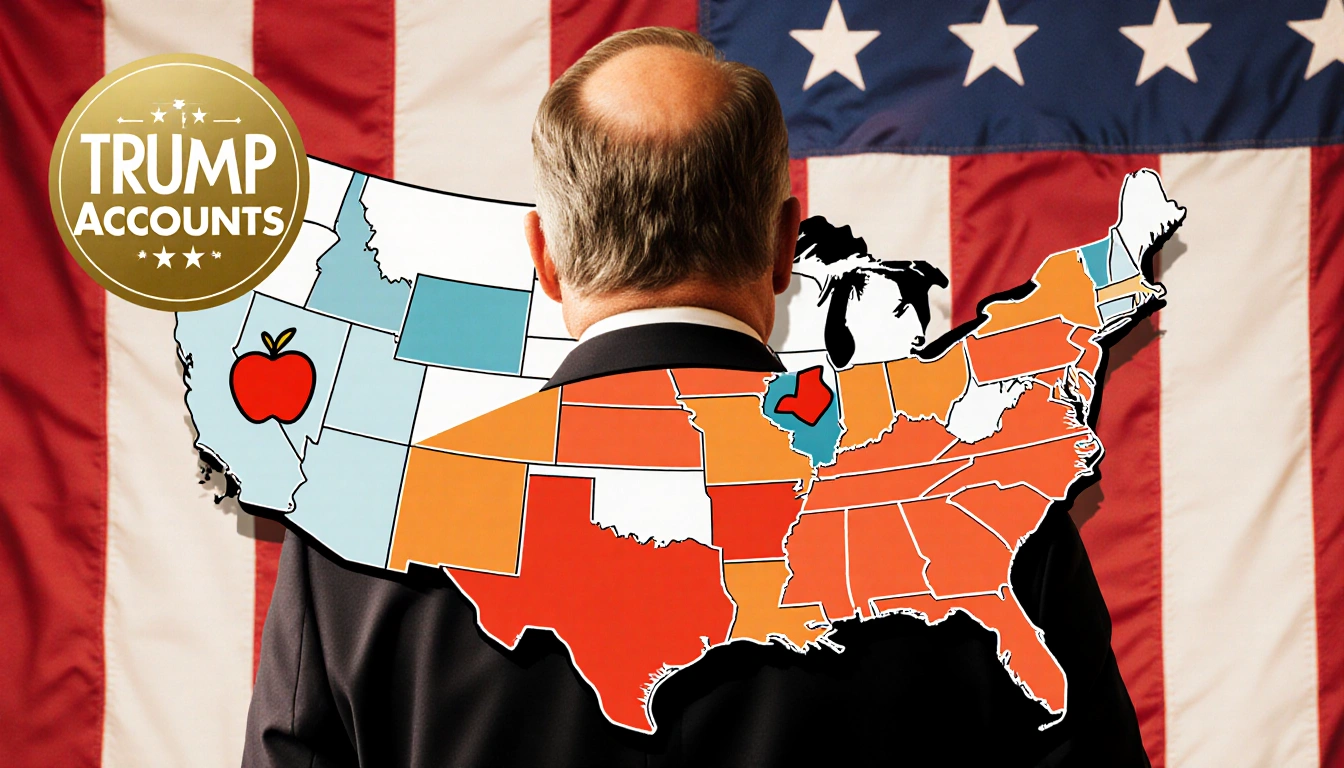
On Wednesday, the U.S. Treasury announced a new fundraising push, asking the nation’s wealthiest philanthropists to help launch a series of investment accounts for children born during President Trump’s second term.
The 50 State Challenge and Trump Accounts
Treasury Secretary Scott Bessent framed the request as part of a “50 State Challenge” to raise money for the Trump Accounts program. In a televised address, Bessent said, “The president is calling on our nation’s business leaders and philanthropic organizations to help us make America great again by securing the financial future of America’s children.” The accounts are part of tax and spending legislation that the Trump administration passed over the summer. Under that law, the Treasury will deposit $1,000 into the investment accounts of children born during Trump’s second term, but the accounts have not yet been launched.
Bessent also announced that starting on July 4, parents, family members, employers and friends will be able to contribute up to $5,000 to each Trump Account each year. The Treasury hopes that state governments will eventually set up programs to invest in the accounts as well.
High-Profile Donations
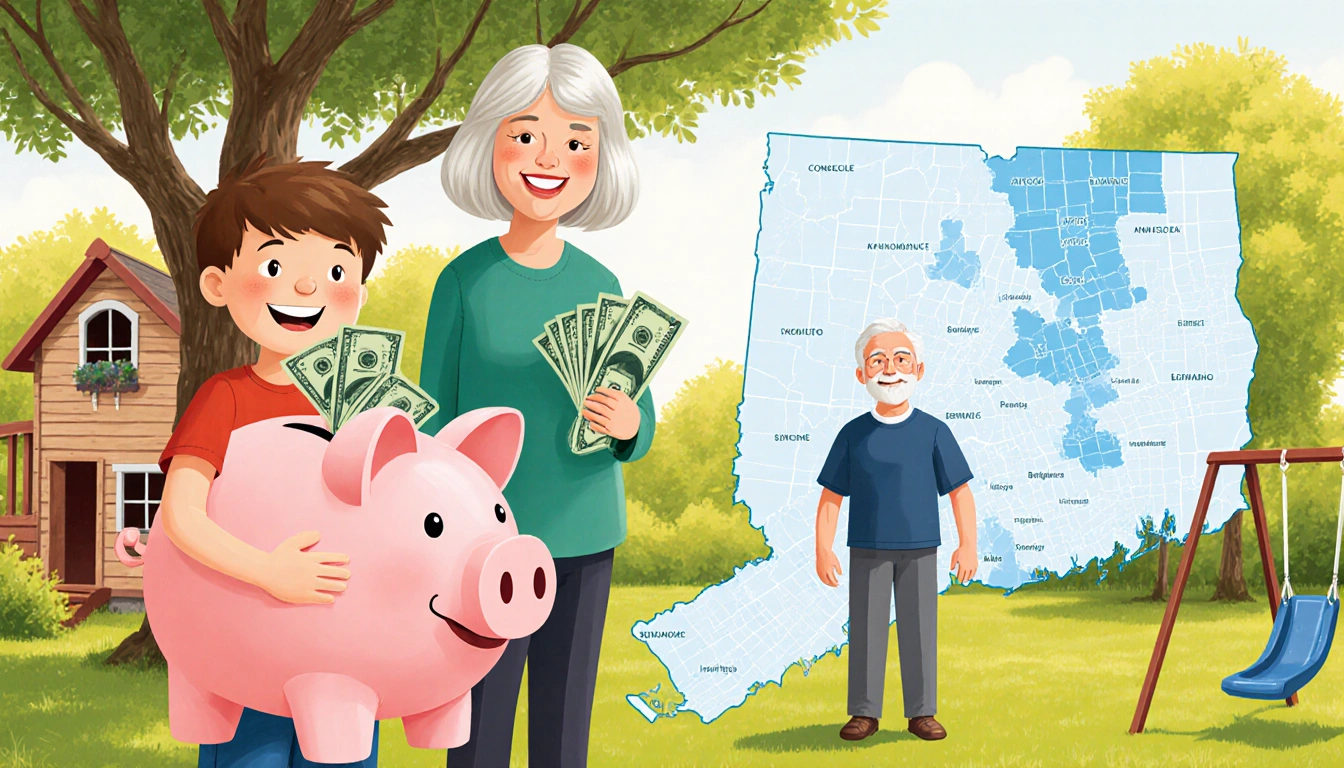
The Treasury’s appeal has already drawn commitments from two of the country’s richest individuals. The billionaire hedge-fund founder Ray Dalio, together with his wife Barbara, announced that they will donate $250 to each of 300,000 children under the age of ten who live in Connecticut ZIP codes where the median income is less than $150,000. Dalio, who founded Bridgewater Associates and resides in Connecticut, said in a statement, “I have been fortunate to live the American Dream. At an early age I was exposed to the stock market, and it changed my life.” He added that the accounts “put children on a path toward financial independence.”
Dalio’s pledge will total at least $75 million. It follows a $6.25 billion pledge from billionaires Michael and Susan Dell made earlier in December. The Dells promised to invest $250 in the accounts of 25 million children aged 10 and under who live in ZIP codes across the country that also have a median income of less than $150,000.
Both commitments are aimed at children in low- and middle-income households, but the Dells and Dalio have highlighted that the accounts are open to all children who meet the income criteria.
How the Accounts Work
Brad Gerstner, a venture capitalist who championed the accounts, explained that the Treasury will create an account for every child in the U.S. who has a Social Security number. Private companies will eventually administer the accounts, and parents or guardians will have to claim the accounts on behalf of their children. Children born before Trump took office and who do not qualify for the funds from the Dells and the Dalios can open and fund their own Trump Account if they choose.
Money in the accounts must be invested in an index fund that tracks the overall stock market. When the children turn 18, they can withdraw the funds to use toward education, to buy a home or to start a business.
Bessent said that employers, family members and philanthropists can put funds into the accounts and that the administration hopes states will also eventually set up programs to invest in the accounts. Companies including Visa and BlackRock have also pledged to contribute in some way to the accounts of their employees’ children.
Industry and Academic Perspectives
Jane Waldfogel, a professor at the Columbia University School of Social Work, said ideally, governments would provide benefits that help families with children afford immediate expenses and programs like the Trump Accounts that help families save for a child’s future. “The problem that many scholars have tried to address and many politicians have tried to address with these child savings accounts is that low-income families and even middle-income families struggle to put aside money and save money for their children’s future,” she said. Waldfogel, who recently published a book about child benefits, added that without regular government contributions targeted toward poorer families, she does not expect the accounts to decrease economic inequality as affluent families will take advantage of them but other families will not.
Steven Durlauf, a professor at the University of Chicago’s Harris School of Public Policy, said he expects the accounts to make a very modest contribution toward the resources of young adults. He noted that his research has examined what factors impact the success of children and said improving early childhood education and rectifying racial and economic segregation at schools and in neighborhoods would do more to give children the skills and opportunities they need to be productive.
Durlauf also said that as much as the philanthropy of the affluent is admirable, he thinks it should remain out of politics and controversies. “This is integrating the wealthy into the support of particular government programs that are associated with particular political figures,” he said. “And that strikes me as extraordinarily dangerous.”
Dalio’s Philanthropic Legacy
The Dalios have granted tens of millions to Connecticut public schools over the years. A $100 million initiative launched in 2019 that would have involved matching public funds fell apart after state lawmakers raised questions over transparency. Altogether, the Dalios say they’ve given $7 billion through their philanthropy, which has focused on education, support for economic advancement and ocean research and education.
Key Takeaways
- The Treasury’s “50 State Challenge” seeks $75 million from Ray Dalio and $6.25 billion from the Dells to fund Trump Accounts for children.
- Each account will receive an initial $1,000 deposit and can receive up to $5,000 annually from family, friends, employers and philanthropists.
- Accounts are invested in an index fund and become available to the child at age 18 for education, a home or a business.
The Treasury’s push represents a new intersection of philanthropy, public policy and private investment. While the program has attracted substantial contributions from high-profile donors, scholars warn that without broader government support it may not significantly alter economic inequality. The accounts remain unlaunched, and their ultimate impact will depend on how widely they are adopted and funded in the coming months.