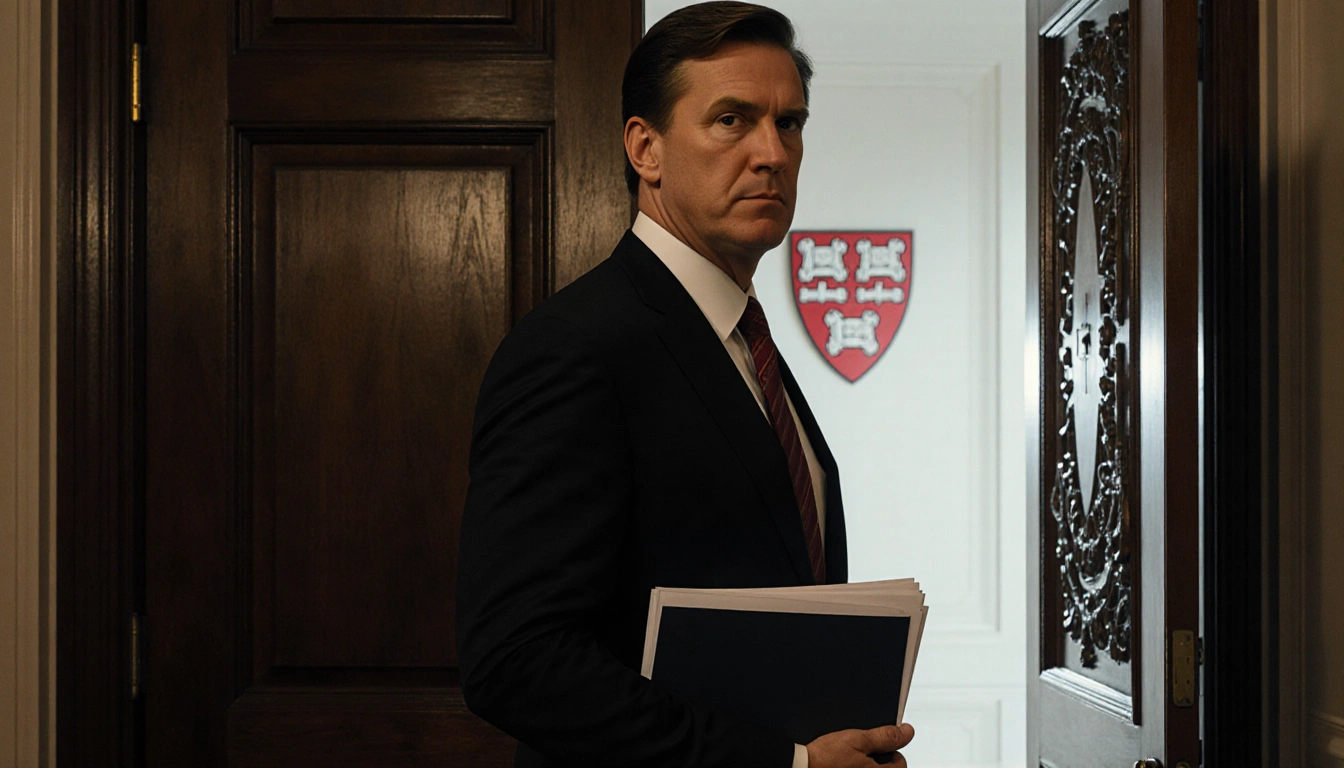
The Justice Department has filed a notice of appeal against a federal judge’s decision that restored more than $2.6 billion in funding to Harvard University, reigniting a battle over the White House’s push for reforms at the Ivy League school.
Justice Department Files Appeal
Late on Thursday, the Justice Department lodged a notice of appeal in two consolidated lawsuits brought by Harvard and the American Association of University Professors (AAUP). The move is the first formal step in the administration’s attempt to overturn the September ruling that reversed the funding cuts.
Judge’s Ruling and Funding Cuts
U.S. District Judge Allison Burroughs ruled in September that the Trump administration’s sweeping cuts violated Harvard’s First Amendment rights. She said the government imposed unconstitutional conditions on the university’s federal funding and failed to follow the federal procedures that allow the government to sanction universities for civil-rights violations.
The cuts totaled more than $2.6 billion and were justified by allegations that Harvard had been slow to address anti-Jewish bias on campus. Burroughs rejected that justification, stating the government was using antisemitism “as a smokescreen for a targeted, ideologically-motivated assault on this country’s premier universities.”
White House and Harvard Positions
White House spokesperson Liz Huston said, “Harvard is not entitled to taxpayer funding, and we are confident the university will be held fully accountable for their failures.” She reiterated the administration’s stance that the university had not protected students from discrimination.
Harvard, meanwhile, expressed confidence in its legal position. The university said, “The federal district court ruled in Harvard’s favor in September, reinstating critical research funding that advances science and life-saving medical breakthroughs, strengthens national security, and enhances our nation’s competitiveness and economic priorities.”
Todd Wolfson, president of the AAUP, criticized the appeal as part of a broader campaign. He said the administration’s appeal is “just a continuation of their shameless campaign to halt critical research funding in an attempt to chill universities and faculty from engaging in any speech, teaching, and research that Donald Trump disfavors.”
Broader Context of Federal Funding Campaign
Harvard has been the Trump administration’s top target in a strategy that leverages federal control of research funding to push for reforms at elite colleges. The administration has decried these institutions as overrun by “woke” ideology and has sought to impose changes through financial pressure.
Other universities, such as Columbia, Brown and Cornell, have reached deals with the government, but Harvard has resisted the wide-ranging demands. The standoff highlights the administration’s willingness to use funding as a tool to influence campus policies.
Negotiations and Potential Deal
Harvard and the White House have continued negotiations amid the legal battle. Trump has indicated that a resolution was imminent on several occasions. In September, he said officials were close to a deal that would require Harvard to pay $500 million to create a “giant trade school” to produce workers for American plants.
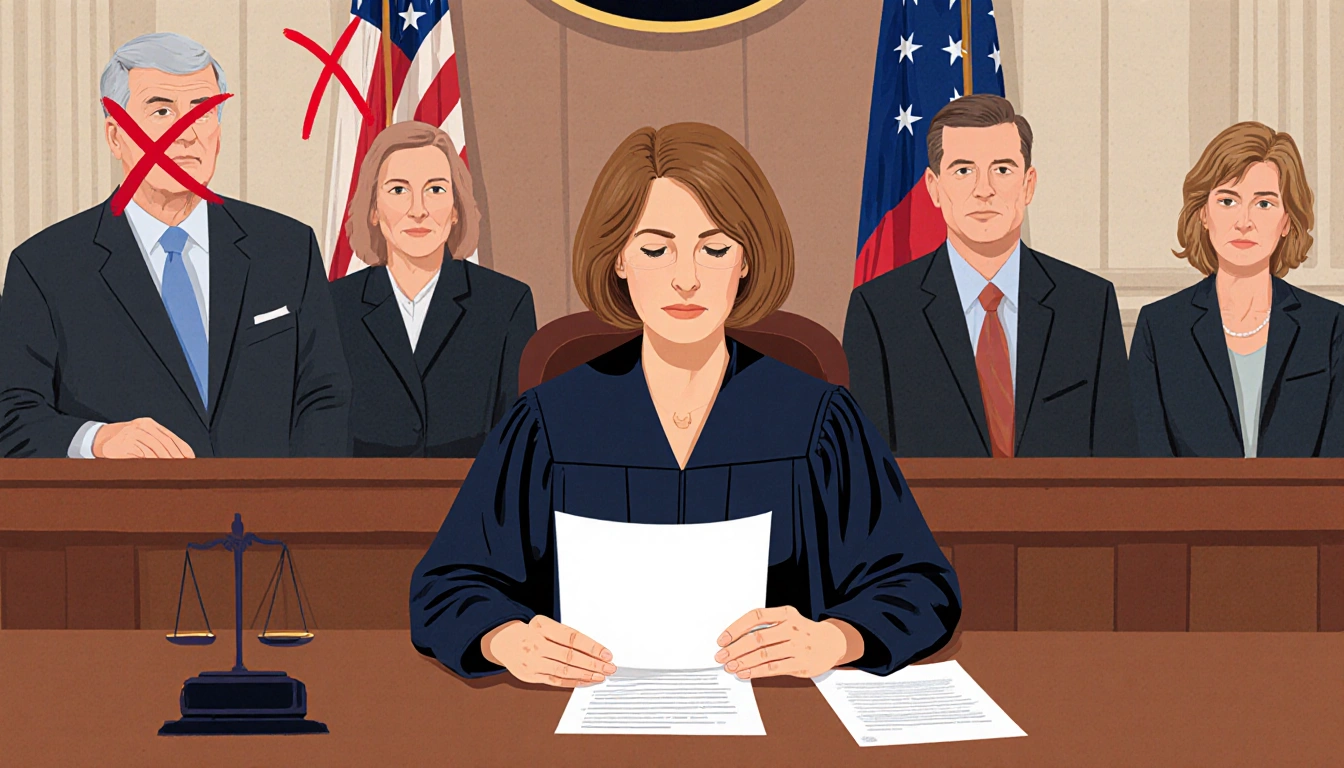
That deal never materialized, and Trump has been quiet on the issue since then. The lack of progress has left the university and the administration at a crossroads, with the appeal filing marking a new chapter in the dispute.
Key Takeaways
- The Justice Department is appealing a court ruling that reversed $2.6 billion in funding cuts to Harvard.
- Judge Burroughs found the cuts violated the university’s First Amendment rights and were based on an improper use of antisemitism allegations.
- Harvard and the AAUP stand firm in their legal and public positions, while the White House maintains that the university failed to protect students from discrimination.
The appeal represents a high-stakes clash over federal influence in higher education and the limits of government power to shape university policies. The outcome will have implications for research funding, academic freedom, and the broader debate over campus culture in America.