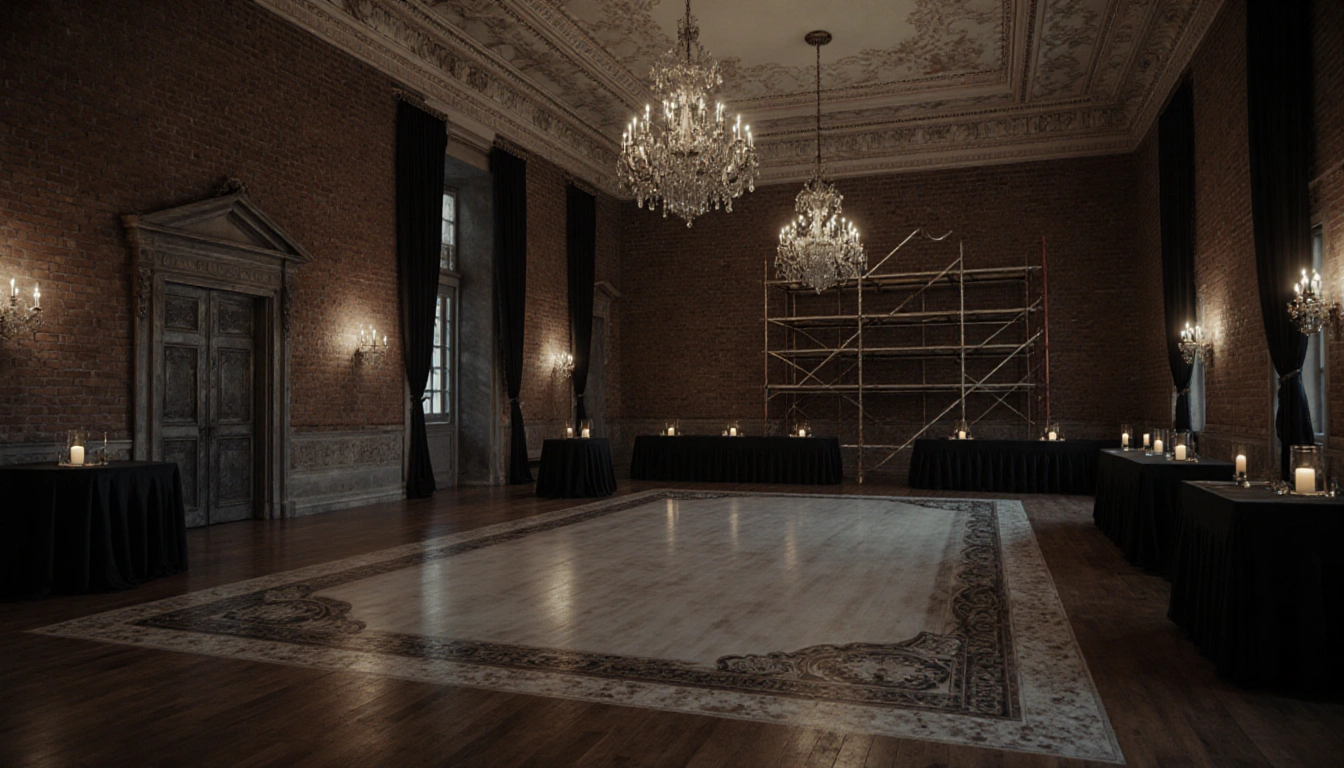
In a courtroom showdown that could alter the face of the Executive Mansion, the Trump administration is insisting that a $300 million ballroom remain under construction, citing national‑security reasons that remain unexplained.
Lawsuit Filed by Preservationists
The National Trust for Historic Preservation filed a lawsuit last Friday asking a federal judge to halt President Donald Trump’s project until it undergoes “multiple independent reviews,” a public comment period, and receives Congressional approval. The suit argues that no president is legally allowed to tear down portions of the White House without any review whatsoever — not President Trump, not President Biden, and not anyone else — and that no president may construct a ballroom on public property without giving the public the opportunity to weigh in.
Administration’s Response
On Monday, the Trump administration submitted a 36‑page filing in response to the suit. The document included a declaration from Matthew C. Quinn, deputy director of the U.S. Secret Service, the agency charged with the president’s security. Quinn said that “more work on the site of the former White House East Wing is still needed to meet the agency’s safety and security requirements.” The filing does not explain the specific national‑security concerns, but the administration offered to share classified details with the judge in a private, in‑person setting without the plaintiffs present.
Secret Service Perspective
Quinn warned that even a temporary halt to construction would “consequently hamper” the Secret Service’s ability to fulfill its statutory obligations and protective mission. He also noted that the East Wing had sat atop an emergency operations bunker for the president, underscoring the strategic importance of the site.
Preservationists’ Counter‑Arguments
The National Trust’s lawsuit also asserts that the ballroom plans should have been submitted to the National Capital Planning Commission, the Commission of Fine Arts, and Congress before any action was taken. The suit notes that the Trust wrote to those entities and the National Park Service on Oct. 21, after demolition began, urging a stop to the project and asking the administration to comply with federal law, but received no response.
Construction Timeline
John Stanwich, the National Park Service’s liaison to the White House, wrote that below‑ground work on the site continues and that foundation work is set to begin in January. He added that above‑ground construction “is not anticipated to begin until April 2026, at the earliest.” The Trust has not responded to email requests for comment.
DOJ’s Legal Position
Department of Justice attorneys argued that the plaintiff’s claims about the East Wing demolition are “moot” because the tear‑down cannot be undone. They also contend that claims about future construction are “unripe” because the plans are not final. The administration further argued that the Trust cannot establish “irreparable harm” because above‑ground construction is not expected until spring.
Statutory Authority and Standing
The administration’s response emphasized that the president has the authority to modify the White House, citing a history of changes and additions to the Executive Mansion that dates back more than 200 years. It also asserted that the president is not subject to the statutes cited by the plaintiffs. The DOJ attorneys said that the reviews sought in the lawsuit, consultation with the National Capital Planning Commission and the Commission of Fine Arts, “will soon be underway without this Court’s involvement.”
Hearing and Court Proceedings
A hearing in the case was scheduled for Tuesday in federal court in Washington. The filing represents the most comprehensive look yet at the ballroom construction project, offering a window into how it was swiftly approved by the Trump administration bureaucracy and its expanding scope.
Historical Context
In 2000, the National Park Service’s Comprehensive Design Plan for the White House first identified the need for a larger event space to address an increase in visitors and to provide a venue suitable for major events, according to the administration’s filing. Trump’s plan to tear down the East Wing in October was part of a broader effort to build a 90,000‑square‑foot (27,432‑square‑meter) ballroom that could accommodate about 1,000 people before his term ends in January 2029.
Key Takeaways
- The National Trust for Historic Preservation is suing to halt the $300 million ballroom project, citing lack of required reviews and public input.
- The Trump administration insists on continuing construction for national‑security reasons, offering to provide classified details privately to the judge.
- The court case highlights a clash over presidential authority, statutory requirements, and the future of the White House’s historic fabric.
The lawsuit represents the most concrete effort to alter or stop Trump’s plans for an addition that would be nearly twice the size of the White House before the East Wing was torn down.