In a move that could affect thousands of Americans, the Trump administration announced that it will begin garnishing the wages of student loan borrowers who are in default starting in January.
Announcement Details
The Department of Education released the information on Tuesday, stating that roughly 1,000 defaulted borrowers will receive notices informing them of their status beginning the week of Jan. 7. The notices will be sent on a monthly basis, with the number of recipients increasing each month as the program expands. The notices are intended to give borrowers a clear understanding of their default status and the potential consequences that follow. The Department’s announcement emphasizes that the process is a structured effort to enforce repayment obligations that have been ignored for extended periods.
Legal Framework
According to the Department of Education, collection can be conducted “only after student and parent borrowers have been provided sufficient notice and opportunity to repay their loans.” This statement underscores the requirement for borrowers to be fully informed before any enforcement action is taken. The government is authorized to garnish up to 15 percent of a person’s wages if they are in default, although the Department did not disclose the exact percentage that will be deducted from each borrower’s paycheck. The language in the announcement reflects the legal safeguards in place to protect borrowers while ensuring that defaulted debt is ultimately recovered.
Background on Pandemic Pause
In May, the administration ended the pandemic-era pause on student loan payments, shifting the focus from temporary relief to active collection. The Department began collecting on defaulted debt by withholding tax refunds and other federal payments to borrowers. This move marked a significant policy change, transitioning from a period of broad payment suspension to a more aggressive enforcement strategy. The decision to end the pause was part of a broader effort to address the large backlog of unpaid student loans that accumulated during the pandemic.
Implementation Timeline and Shutdown Impact
Government officials had previously indicated that wage garnishment would begin in the late summer, but the process was slowed, in part, by the government shutdown, as reported by The Wall Street Journal. Despite the initial delay, the Department’s recent announcement signals that the garnishment program is now slated to commence in January. The shift from a late-summer timeline to an early-year start reflects the administration’s urgency to resume collections and the adjustments made in response to the shutdown’s impact on federal operations.
Scale of Default
The Department of Education has stated that more than 5 million borrowers are currently in default, a figure that highlights the magnitude of the issue. Only 38 percent of borrowers are current on their student loans, leaving a majority of borrowers behind on their repayment obligations. The scale of default underscores the importance of the Department’s enforcement measures, as a significant portion of the student loan population remains delinquent. The numbers also illustrate the potential reach of the wage garnishment program, which could affect a large segment of borrowers over time.
Key Takeaways
- Wage garnishment for defaulted student loan borrowers begins in January, with 1,000 borrowers receiving notices the week of Jan. 7.
- The Department can garnish up to 15 percent of wages, but the exact deduction amount has not been specified.
- More than 5 million borrowers are in default, while only 38 percent are current on their loans.
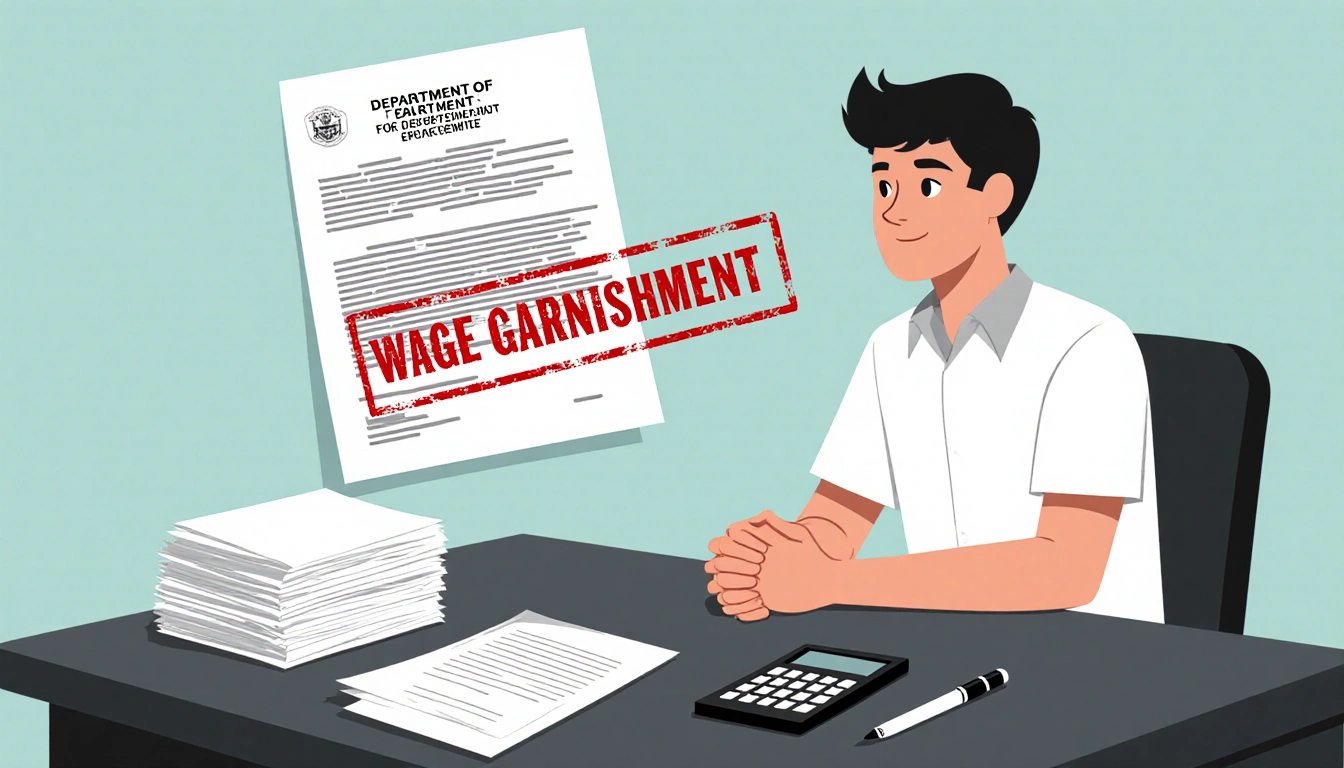
The announcement signals a decisive shift toward enforcing repayment obligations for defaulted student loan borrowers. As the program expands, borrowers will receive increasing notifications, and the Department will continue to enforce wage garnishment in accordance with federal regulations. The move reflects the administration’s broader strategy to address the large backlog of unpaid student loans that grew during the pandemic.