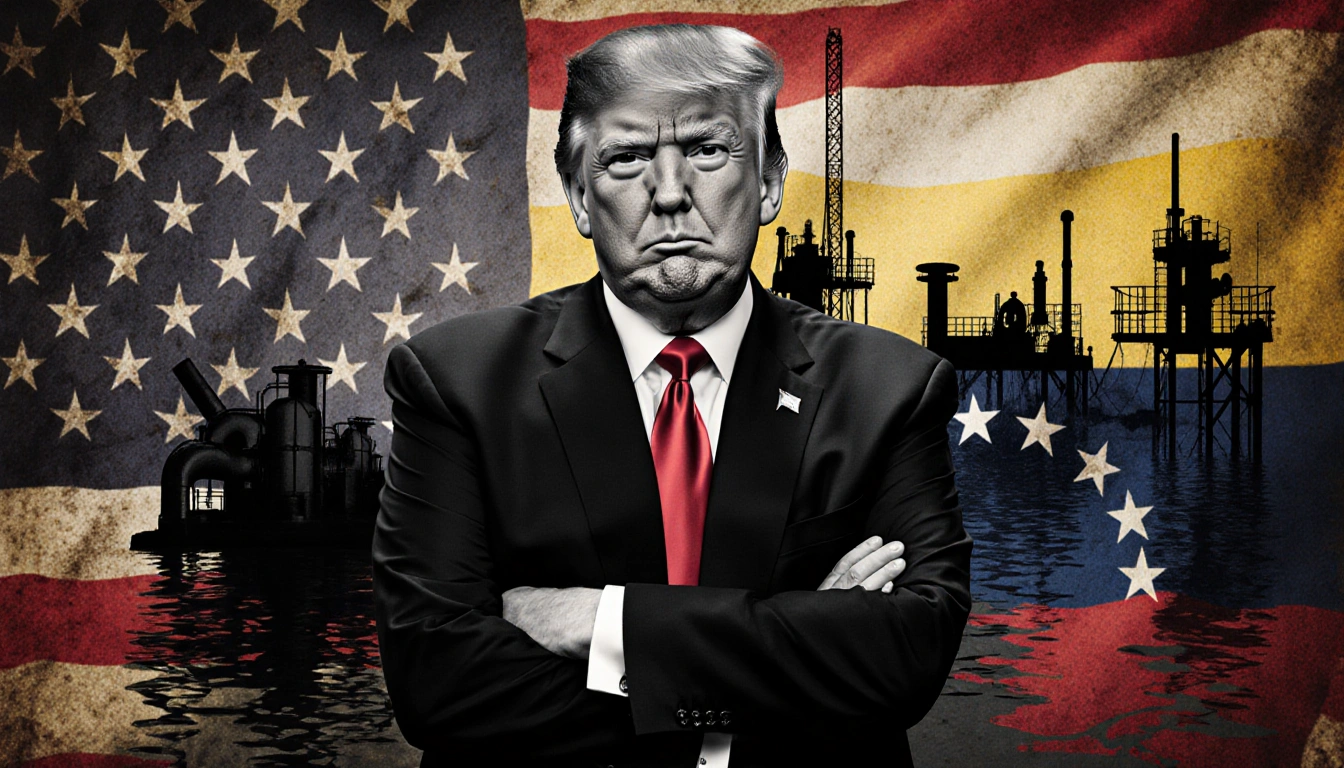
Trump’s latest move on Venezuela has drawn sharp reactions from both sides of the Atlantic. In a Wednesday address, the former president demanded that the Venezuelan government return assets that U.S. oil companies lost when the country nationalised its petroleum industry.
Trump’s Blockade and Asset Demand
“We’re not going to be letting anybody going through who shouldn’t be going through,” Trump told reporters. “You remember they took all of our energy rights. They took all of our oil not that long ago. And we want it back. They took it – they illegally took it.” The president also announced a new “blockade” that would target oil tankers travelling to or from Venezuela that face American sanctions.
Historical Context of Expropriation
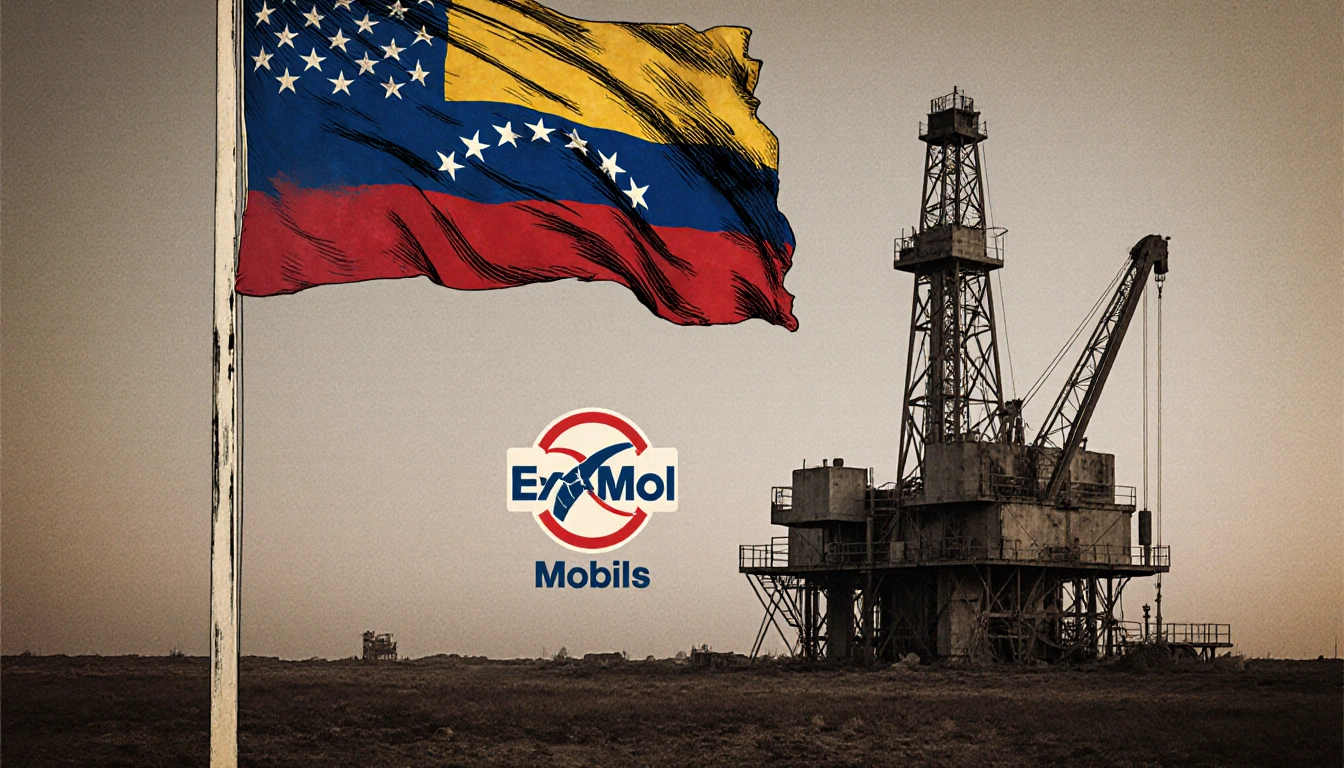
U.S. oil firms once dominated Venezuela’s petroleum sector until the 1970s, when the government began nationalising the industry. The process intensified under Hugo Chávez and continued under Nicolás Maduro. A 2014 international arbitration panel ordered Venezuela to pay $1.6 billion to ExxonMobil, a figure the country has not yet settled.
Economist Philip Verleger said, “There is a case that can be made that Venezuela owes this money to Exxon. I don’t think it’s ever been paid.” Trump has blamed his predecessors for not taking a harder line, stating, “They took it away because we had a president that maybe wasn’t watching. But they’re not going to do that again. We want it back. They took our oil rights – we had a lot of oil there. As you know, they threw our companies out, and we want it back.”
Drug-Trafficking Allegations and Military Actions
The former president has linked Venezuela’s oil revenues to drug trafficking. In a social-media post on Tuesday night, Trump said the country was using oil to fund drug trafficking and other crimes. U.S. forces seized an oil tanker off Venezuela’s coast last week amid a military buildup that includes the Navy’s most advanced aircraft carrier.
The U.S. military has carried out a series of strikes on suspected drug boats in the Caribbean Sea and eastern Pacific Ocean that have killed at least 99 people, including four in a strike on Wednesday. These attacks have prompted questions from lawmakers and legal experts about their legal justification. Trump has also indicated he is considering strikes on land.
Internal U.S. Policy and Statements
Stephen Miller, Trump’s deputy chief of staff, compared Venezuela’s nationalisation to a heist. He posted, “American sweat, ingenuity and toil created the oil industry in Venezuela. Its tyrannical expropriation was the largest recorded theft of American wealth and property. These pillaged assets were then used to fund terrorism and flood our streets with killers, mercenaries and drugs.”
A U.S. official involved in interagency communications said that officials were told not to take Trump’s remarks about designating the “Venezuelan Regime” as a terrorist organization literally. The official added that the “blockade” applies only to previously sanctioned vessels against which certain actions are already authorized, such as the recent seizure.
The State Department did not respond to requests for clarification. The Justice Department had indicted Maduro on narcoterrorism charges in 2020, and the Trump administration last month designated the Cartel de los Soles, linked to Maduro, as a terrorist organization.
Venezuela’s Diplomatic Response
Venezuelan Foreign Minister Yván Gil wrote to the U.N. Security Council demanding that the U.S. immediately release the “kidnapped crew” and return the oil illegally confiscated on the high seas. In a second letter, U.N. Ambassador Samuel Moncada called for an emergency meeting of the U.N.’s most powerful body to discuss “the ongoing U.S. aggression.” Moncada said, “This means that the U.S. government is claiming the world’s largest oil reserves as its own, in what would be one of the greatest acts of plunder in human history.”
Gil also urged the U.N. to state that it has not authorized actions against Venezuela or the international commercialization of its oil.
Expert and Legal Perspectives
Retired Vice Admiral Robert Murrett, now a professor at Syracuse University, said the seizure of the tanker and the blockade are consistent with past American policy. He noted that from a military standpoint, seizing sanctioned oil tankers and imposing a blockade are far less risky than direct military confrontation.
Murrett added, “U.S. policy supports peaceful, democratic transition in Venezuela. If Maduro agrees tomorrow to step down and have a free and open election, I think we’d be delighted, Democrats and Republicans alike.”
Key Takeaways
- Trump demands the return of assets seized from U.S. oil companies during Venezuela’s nationalisation.
- A new blockade targets oil tankers travelling to or from Venezuela that face U.S. sanctions.
- U.S. military actions against suspected drug boats and the seizure of a tanker have raised legal and diplomatic questions.
The clash over Venezuela’s oil assets and the broader U.S. strategy highlights a complex mix of economic, legal, and geopolitical considerations that continue to shape the region’s future.