At a Glance
- 2025 saw US and Israel bomb Iran’s nuclear sites, pulling the US back into Middle East conflict.
- The humanitarian crisis in Gaza turned into a global disaster, raising fears of a “forever war”.
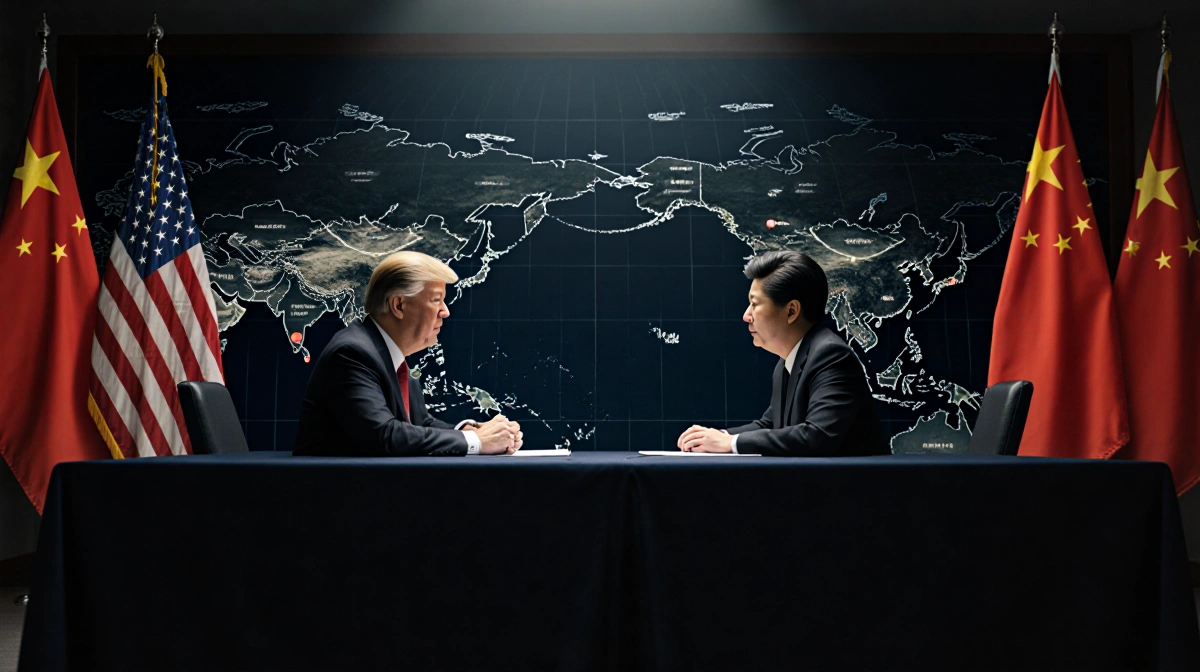
- In 2026, analysts argue the real threat now comes from China and Russia, not the Middle East.
- Why it matters: US foreign policy must pivot from regional wars to confronting great-power competition.
The United States has been drawn into Middle East conflicts for a decade, but a new strategic reality has emerged. In 2026, leaders must shift focus from regional conflicts to the rising challenge posed by China and Russia.
From Middle East to Great Power Competition
The 2025 bombings of Iran’s nuclear facilities by Israel and the US marked a dramatic return to Middle East conflict. The Gaza humanitarian crisis underscored the limits of US influence in the region. Analysts now see the real competition as the US versus autocratic China and Russia.
Erosion of US Influence Under Trump
President Trump‘s administration dismantled key instruments of influence, including USAID, Voice of America, and various NGOs that had promoted democracy abroad. The administration also weakened multilateral institutions such as the IMF, World Bank, and WTO. Trump’s ambiguous stance toward Russia and his relaxed export controls on sensitive technology further eroded strategic advantages.
- USAID
- Voice of America
- Radio Free Asia
- Radio Free Europe
Toward a New Grand Strategy
The US still holds a power advantage over China in military, economic, and ideological dimensions, especially when allies are considered. However, the world now hosts new mid-level powers that refuse to align solely with either bloc. The degree of economic interdependence with China presents a unique challenge that cannot be solved by a simple red-blue split.
| Dimension | US | China |
|---|---|---|
| Military | Superior | Growing |
| Economic | Dominant | Expanding |
| Ideological | Democratic | Autocratic |
The lack of consensus among Americans on how to confront China and Russia, coupled with President Trump‘s inconsistent policies, has left the nation without a clear grand strategy.
Key Takeaways
- US must pivot from Middle East wars to great-power competition.
- China and Russia are the primary strategic rivals, not regional conflicts.
- A coherent grand strategy is essential for the US to navigate the new era of great-power competition.
The 2026 moment represents a turning point. A coherent strategy is essential if the US is to navigate the new era of great-power competition.