At a Glance
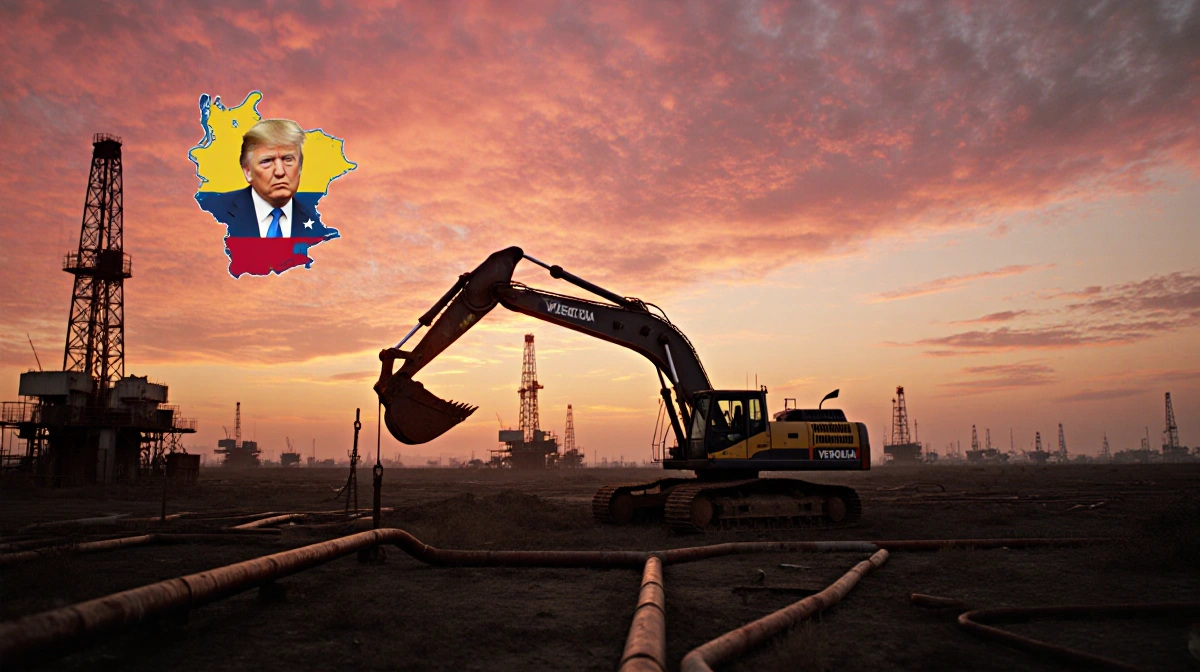
- Maduro captured; US eyeing Venezuela’s oil
- Trump vows US oil giants to rebuild infrastructure
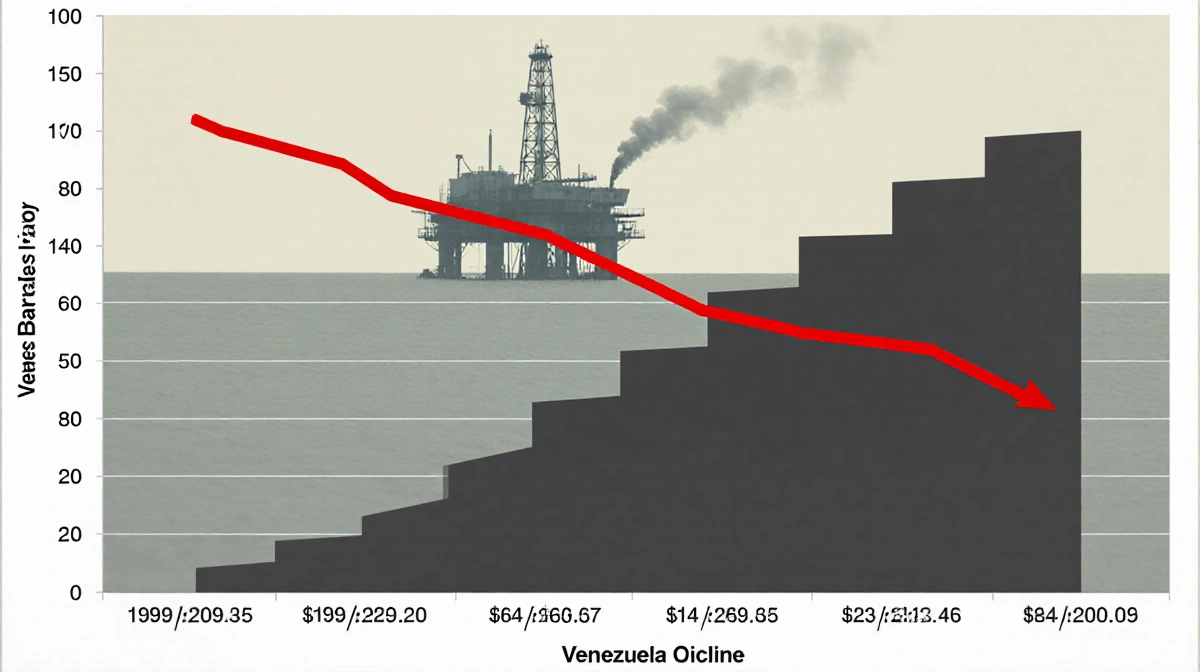
- Production fell from 3 million to 1.3 million barrels/day since the 1990s
- Why it matters: US oil firms face huge investment and political risk
The capture of Venezuelan president Nicolás Maduro has sparked a new U.S. oil strategy, with President Trump pledging billions of dollars to restore the country’s broken infrastructure. Experts warn that Venezuela’s long-shut pipelines, sanctions, and falling production could make the plan costly and uncertain.
Trump’s Oil Vision
President Trump announced:
> “We’re going to have our very large United States oil companies-the biggest anywhere in the world-go in, spend billions of dollars, fix the badly broken infrastructure, the oil infrastructure.”
- US oil firms are expected to invest billions.
- Infrastructure repairs are a priority.
- The goal is to tap Venezuela’s vast reserves.
Oil Production Reality
Venezuela’s output has dropped from over 3 million barrels per day in the late 1990s to just 1.3 million in 2018, a decline driven by nationalization and sanctions. The U.S. produces 21.7 million barrels per day in 2023.
| Year | Venezuelan barrels/day | U.S. barrels/day |
|---|---|---|
| Late 1990s | 3 million | – |
| 2018 | 1.3 million | – |
| 2023 | – | 21.7 million |
The infrastructure remains heavily damaged, and sanctions limit market access.
Industry Response
An energy insider told Politico:
> “The infrastructure currently there is so dilapidated that no one at these companies can adequately assess what is needed to make it operable.”
Chevron still operates in Venezuela, while ExxonMobil has invested in Guyana, yet many firms hesitate due to the dilapidated state of the facilities.
- Chevron maintains a limited presence.
- ExxonMobil’s Guyana projects could benefit from stability.
- Companies are cautious about infrastructure costs.
Key Takeaways
- Trump wants U.S. oil firms to capitalize on Venezuela’s reserves.
- Production has fallen dramatically since the 1990s.
- Industry remains wary of infrastructure and sanctions.
The future of U.S. oil investment in Venezuela hinges on political stability and a massive overhaul of its infrastructure.