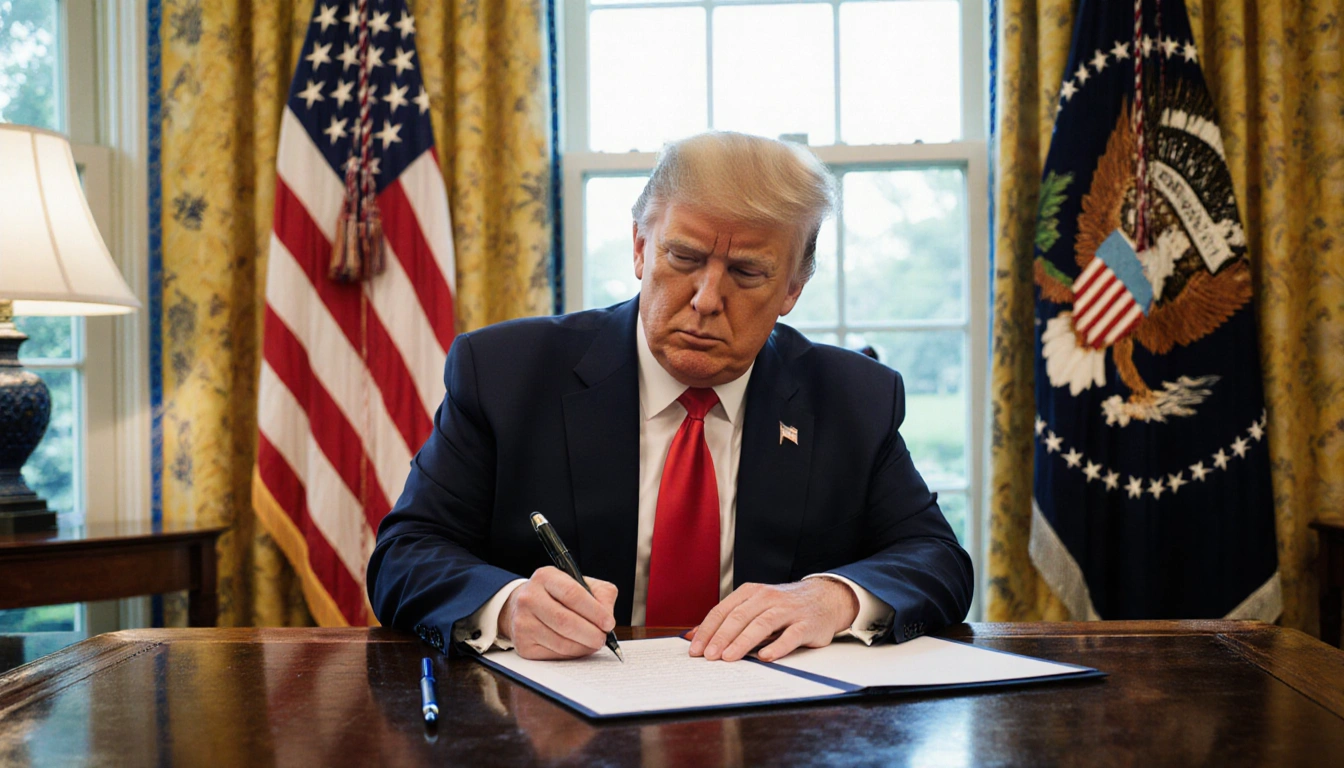
President Donald Trump signed an executive order Thursday that could reclassify marijuana as a less dangerous drug and open new avenues for medical research, a major shift in federal drug policy that inches closer to what many states have done.
Reclassification Details
The order would move marijuana away from its current classification as a Schedule I drug, alongside heroin and LSD. Instead, cannabis would become a Schedule III substance, like ketamine and some anabolic steroids. The change would not make recreational use legal nationwide, but it could alter how the drug is regulated and reduce a hefty tax burden on the cannabis industry.
Trump’s Rationale and Public Support
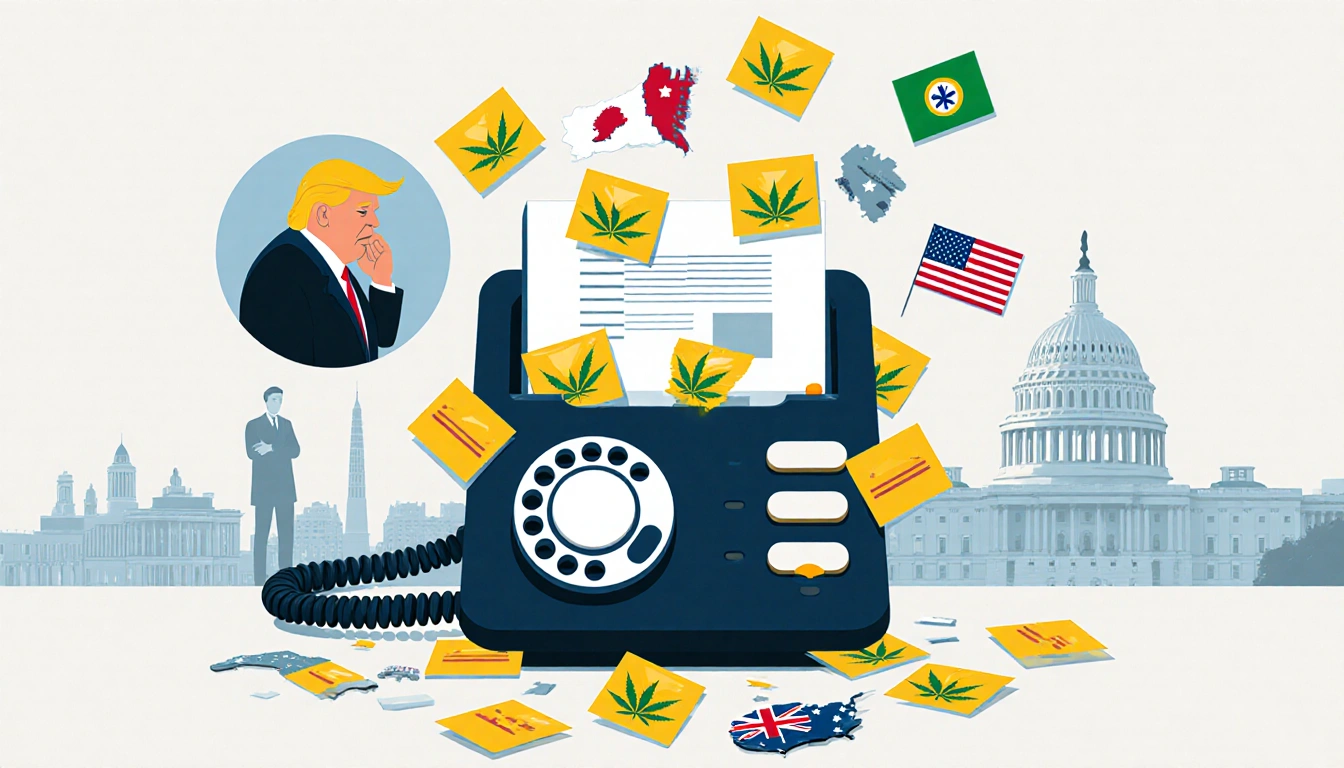
Trump said he had received a deluge of phone calls supporting the move and its potential to help patients. “We have people begging for me to do this. People that are in great pain,” he said. Medical marijuana is now allowed by 40 states and Washington, D.C., and many states have also legalized it for recreational use, yet U.S. laws remain stricter, potentially leaving people subject to federal prosecution.
The Political Landscape
The Justice Department under Trump’s Democratic predecessor, Joe Biden, previously proposed reclassifying marijuana to a Schedule III substance. Unlike Biden, Trump did not have open encouragement from across his party for the move. Some Republicans have spoken out in opposition to any changes and urged Trump to maintain current standards. More than 20 Republican senators, several of them staunch Trump allies, signed a letter this year urging the president to keep marijuana a Schedule I drug.
Opposition Letter
Led by North Carolina Sen. Ted Budd, the group argued that marijuana continues to be dangerous and that a shift would “undermine your strong efforts to Make America Great Again.” They also said marijuana negatively affects users’ physical and mental health, as well as road and workplace safety. The letter stated, “The only winners from rescheduling will be bad actors such as Communist China, while Americans will be left paying the bill,” referring to China’s place in the cannabis market.
The Rescheduling Process
Such a switch typically requires an arduous process, including a public comment period that has drawn tens of thousands of reactions from across the U.S. The DEA was still in the review process when Trump took office in January. Trump ordered that process to move along as quickly as legally possible, though an exact timeline remained unclear.
Public Opinion
Polling from Gallup shows Americans largely back a less restrictive approach: Support for marijuana legalization has grown from just 36% in 2005 to 64% this year. Yet that’s down slightly from a couple of years ago, primarily because of declining support among Republicans, Gallup said.
Expanded Research and Access to CBD
Trump’s order also calls for expanded research and access to CBD, a legal and increasingly popular hemp-derived product whose benefits to treat things like pain, anxiety and sleep issues are debated by experts. A new Medicare pilot program would allow older adults to access legal hemp-derived CBD at no cost, if recommended by a doctor, said Dr. Mehmet Oz, who heads the Centers for Medicare and Medicaid Services.
Drug-War Contradictions
Trump has made his crusade against other drugs, especially fentanyl, a feature of his second term, ordering U.S. military attacks on Venezuelan and other boats the administration insists are ferrying drugs. He signed another executive order declaring fentanyl a weapon of mass destruction. Jack Riley, a former deputy administrator of the DEA, backed the focus on the drug war as a national security priority, but said marijuana rescheduling sends a conflicting message.
Riley’s Critique
“He’s blowing up boats in Latin America that he says are full of fentanyl and cocaine but on the other hand loosening the restrictions that will allow wider exposure to a first-level drug,” said Riley, who was in the running to lead the DEA upon Trump’s return to the White House. “That is clearly a contradiction.”
Legal Threats and Future Advocacy
Opponents like the group Smart Approaches to Marijuana vowed to sue if the reclassification goes through. On the other end of the spectrum, some pro-marijuana advocates want to see the government go further and treat cannabis more like alcohol. Trump hasn’t committed to bigger steps like decriminalizing marijuana, and said Thursday that he encouraged his own children not to use drugs.
Medical Context
Still, he said “the facts compel” the government to recognize that marijuana can have legitimate medical applications. And it has become a part of the health-care environment in many states. Currently, 30,000 licensed health-care practitioners are authorized to recommend its use for more than 6 million patients for at least 15 medical conditions, the U.S. Department of Health and Human Services found.
FDA Findings
The Food and Drug Administration has found credible scientific support for its use to treat anorexia-related medical conditions, nausea, vomiting and pain. Older adults, in particular, are using it for chronic pain, which afflicts 1 in 3 from that age group.
Key Takeaways
- Trump’s order moves marijuana from Schedule I to Schedule III, potentially easing regulation and tax burdens.
- The decision has drawn strong support from patients and medical advocates, but significant opposition from Republican senators and drug-war proponents.
- Expanded research, a Medicare pilot for hemp-derived CBD, and ongoing legal challenges shape the future of federal cannabis policy.
The executive order marks a pivotal moment in U.S. drug policy, reflecting both the growing acceptance of medical marijuana and the enduring debate over federal regulation and public health.