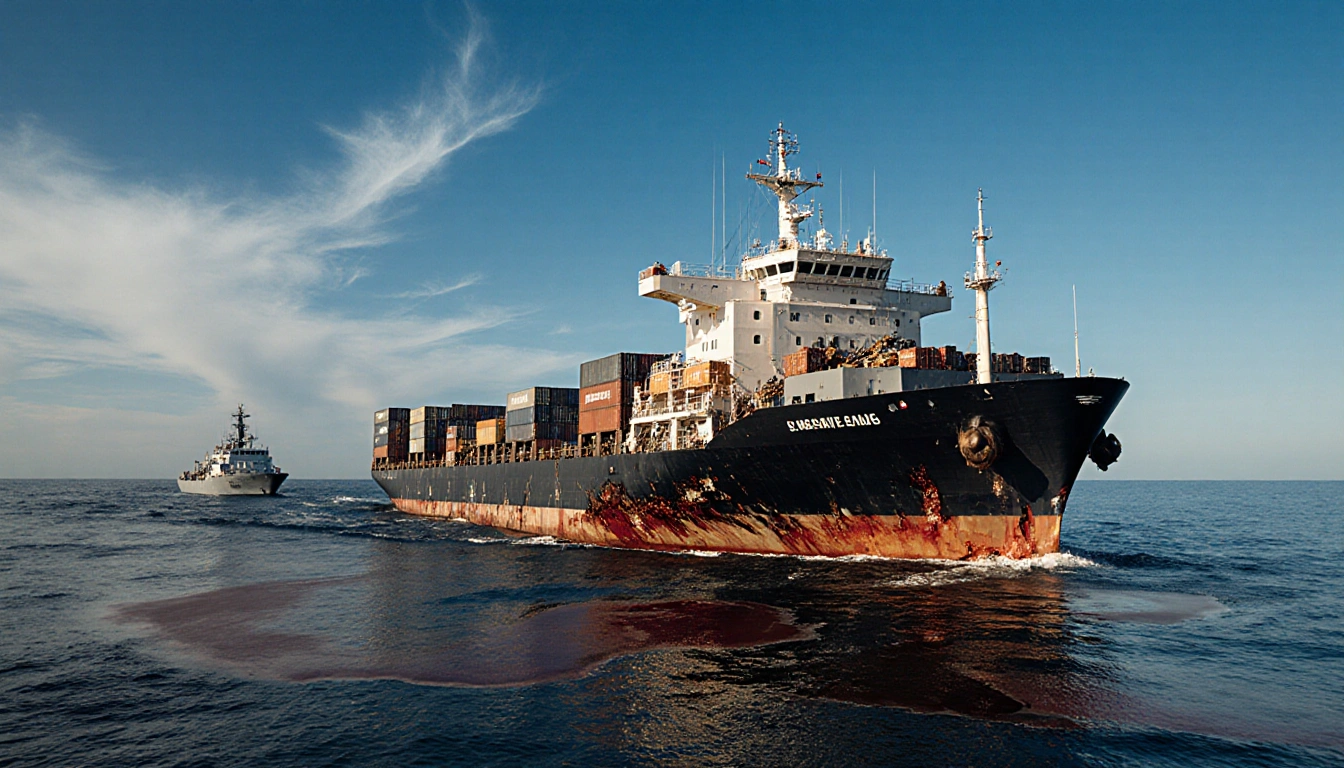
President Trump intensified his campaign against Venezuela this week by seizing the oil tanker Skipper, a move that signals a new phase of sanctions and military pressure.
Seizure of the Skipper
On Wednesday the U.S. Coast Guard seized the vessel, previously sanctioned in 2022 and sailing under a different name, while it was en route to Cuba. The tanker, believed to be carrying more than 1 million barrels, was falsely flying Guyana’s flag. The seizure is the latest swipe by the Trump administration against Nicolás Maduro, whom U.S. officials call an “illegitimate leader” and accuse of heading a drug-trafficking cartel.
Lethal Strikes on Alleged Drug-Smuggling Boats
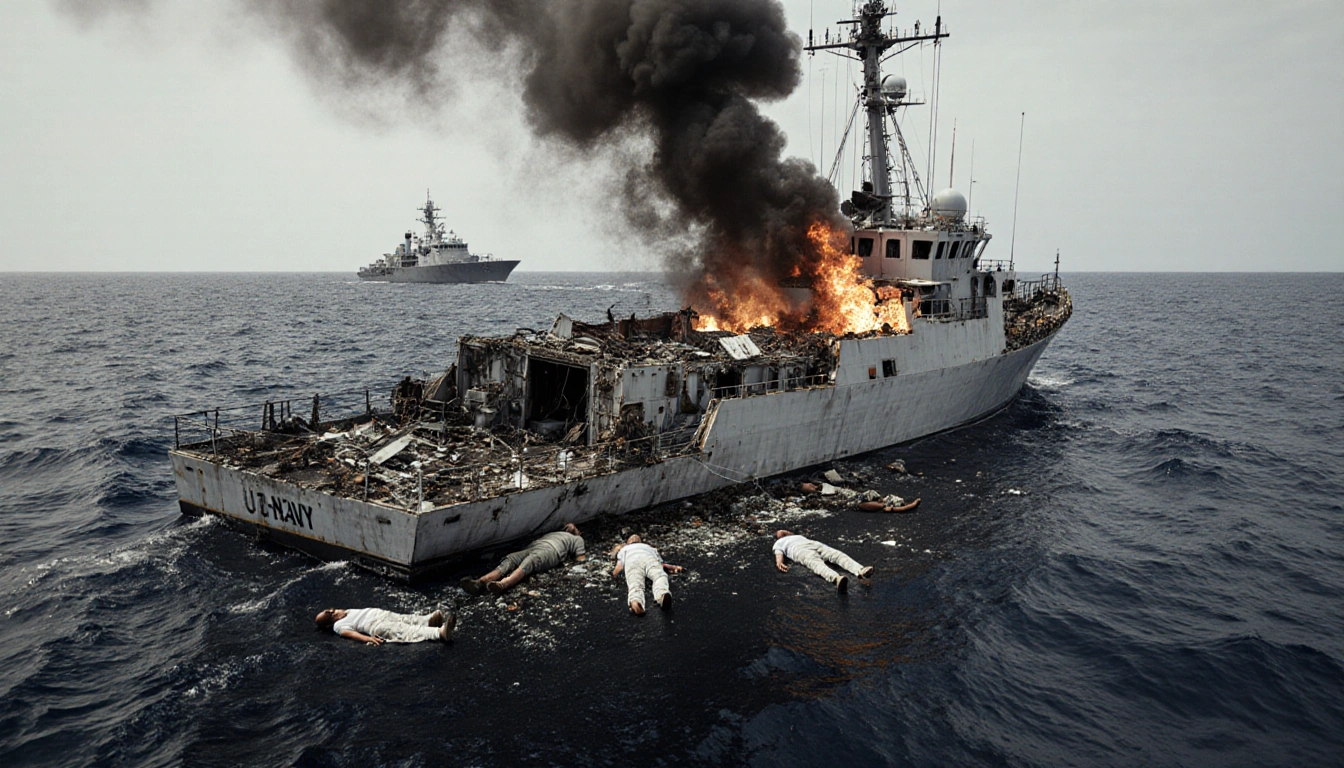
Since early September, the U.S. military has conducted at least 22 strikes on vessels in the Caribbean and eastern Pacific, killing at least 87 suspected “narco-terrorists.” The strikes have become a political lightning rod for Defense Secretary Pete Hegseth, who authorized the attacks but denied ordering the killing of survivors. The administration argues that each blown-up vessel saves 25,000 American lives, though lawmakers say the boats were carrying cocaine, not fentanyl.
Migration and Drug Trafficking Claims
Trump repeatedly cites migration and drug trafficking as reasons for his campaign. “Well, it’s about a lot of things,” the president told reporters at the White House. “But one of the things it’s about is the fact that they’ve allowed millions of people to come into our country from their prisons, from gangs, from drug dealers and from mental institutions, probably proportionately more than anybody else.”
He also stated, “If you look at drug traffic, drug traffic by sea is down 92 percent.” The claim follows the U.S. sanctioning of the “Cartel de los Soles” as a foreign terrorist organization and accusing Maduro of leading it.
Oil and Minerals Targeting
Venezuela’s oil makes up close to 90’percent of its export revenues. The Skipper, carrying more than 1 million barrels, was seized to hinder the regime’s ability to purchase weapons, food, and keep the government’s lights on. Although a full oil blockade is unlikely due to Washington’s reliance on Caracas’s oil and international pushback, experts say the president could achieve a similar outcome by seizing more tankers.
Francisco R. Rodríguez, a senior research fellow at the Center for Economic and Policy Research, said, “So you could get a complete collapse in Venezuelan oil exports if the US does this, because it would be equivalent to imposing a de‘facto naval blockade of Venezuela.”
Military Presence in the Southern Command
The U.S. has established a massive military presence in the U.S. Southern Command (Southcom) region, dispatching F-35 fighter jets, warships, Marines, spy planes, at least one submarine and USS Gerald R. Ford, the world’s largest aircraft carrier. Trump has warned that strikes inside Venezuela could come “soon,” but has not closed the door on negotiating with Maduro.
Maduro’s Future and U.S. Negotiations
Trump and other top officials have said that Maduro’s days are “numbered.” The president has not ruled out boots on the ground in Venezuela. Secretary of State Jose R. Rubio denied that the U.S. seeks regime change, saying, “At the end of the day with Maduro — and his problem basically is that this is a guy, if you wanted to make a deal with him, I don’t know how you’d do,” on Fox News’s “Hannity.” He added, “He’s broken every deal he’s ever made.”
Key Takeaways
- The Skipper seizure adds to a growing list of sanctions targeting Maduro’s regime.
- The U.S. has carried out 22 lethal strikes on drug-smuggling vessels, killing 87 suspected narco-terrorists.
- Trump’s campaign cites migration, drug trafficking, and oil exports as primary motives.
The administration’s actions signal a hard-line stance that could reshape U.S. policy in the Caribbean and Latin America, with implications for regional security and trade.