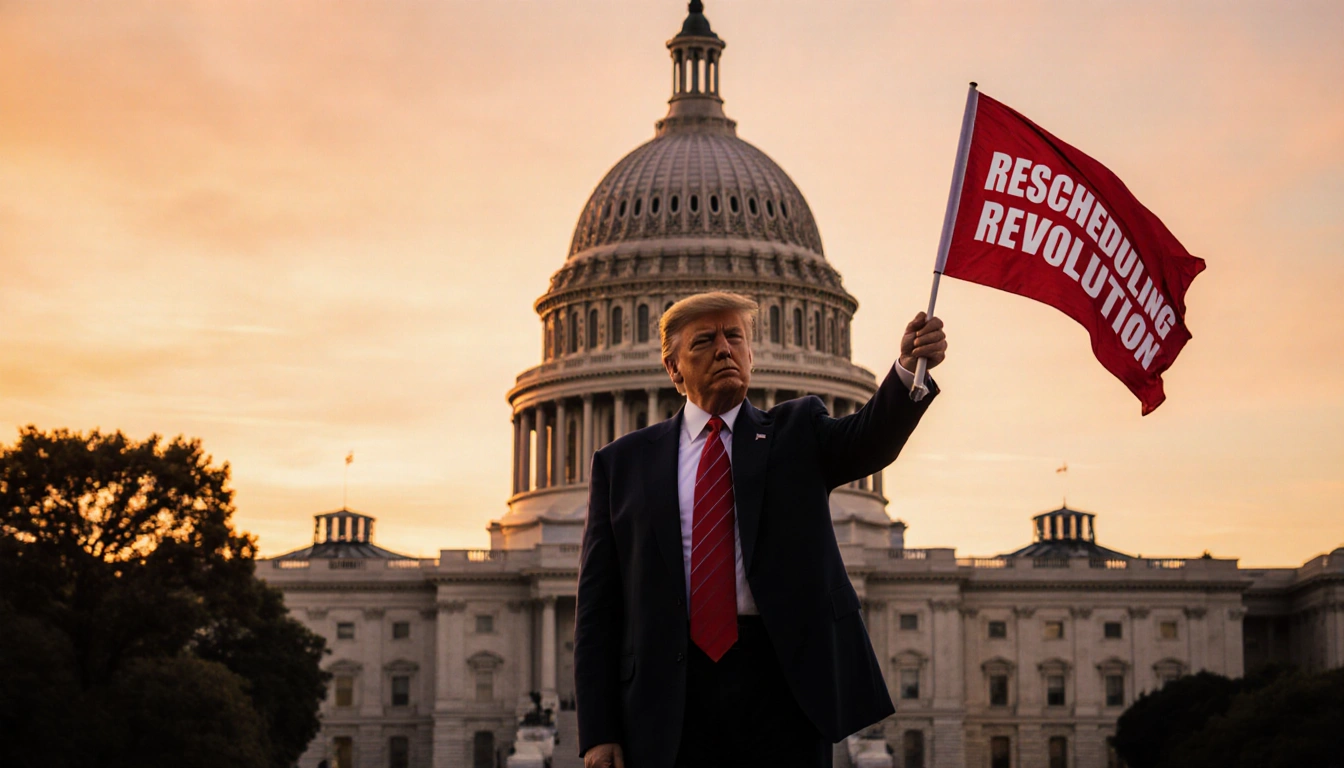
President Trump said Monday his administration is “considering” rescheduling marijuana, echoing August remarks that they were “looking at reclassification.” The Washington Post reported that he is preparing to sign an executive order to direct agencies to pursue a change in the drug’s classification.
Trump’s Rescheduling Rhetoric
Trump’s latest comments come days after the Washington Post report that he’s gearing up to sign an executive order instructing agencies to pursue changing marijuana’s classification. Multiple lawmakers have already spoken out against the idea.
Background of Rescheduling Effort
The process to reschedule began under the Biden administration, and in 2023, the Department of Health and Human Services recommended that marijuana be reclassified as a Schedule III drug. Reclassifying came to a halt in January, however.
What Rescheduling Means
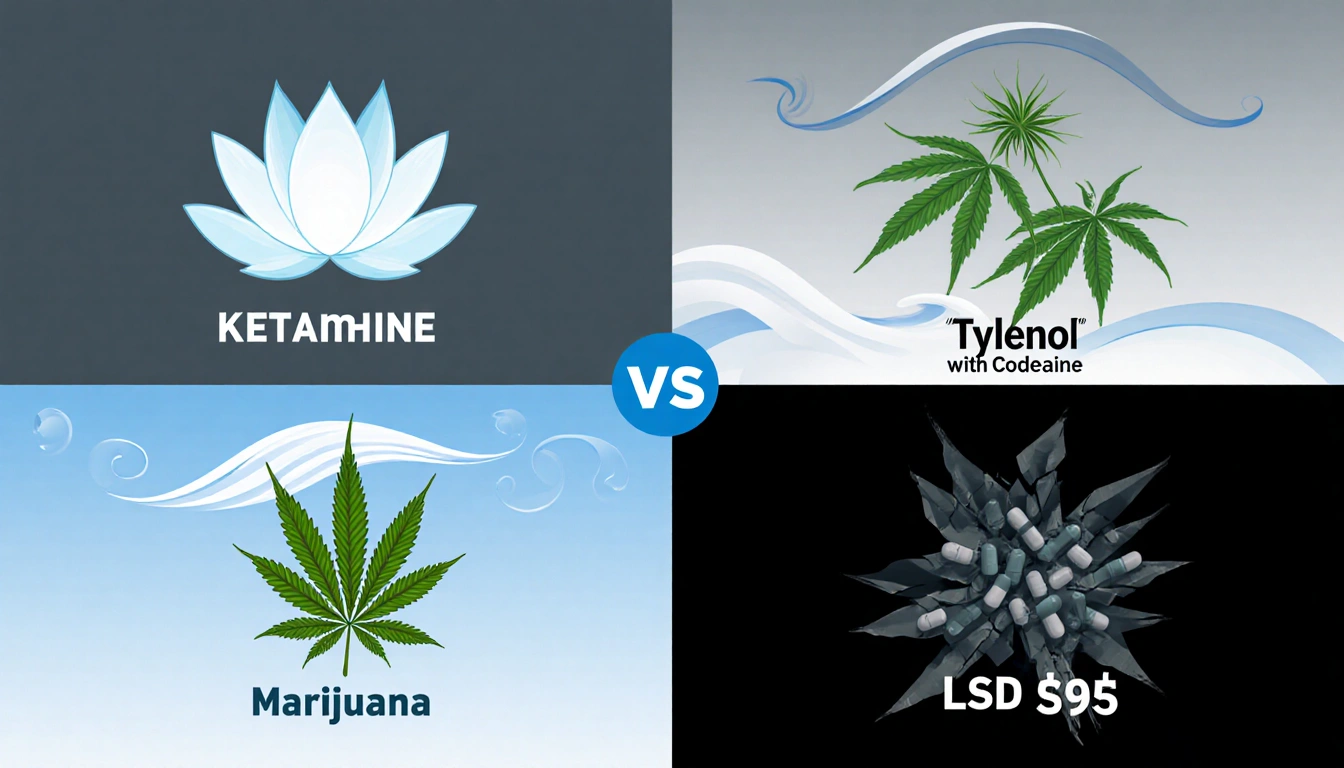
Schedule III substances have a “moderate to low potential for physical and psychological dependence.” Examples include ketamine, Tylenol with codeine, and some anabolic steroids. Marijuana, meanwhile, is a Schedule I substance, meaning the Drug Enforcement Administration (DEA) considers it to have a “high potential for abuse” and no “currently accepted medical use.” Heroin and LSD are also Schedule I drugs.
Rescheduling would not immediately make recreational use legal on the federal level or decriminalize it, and it would not address a number of racial justice issues caused by current laws, advocates and experts previously warned. Instead, the medical uses of cannabis would be recognized, and federal regulators would acknowledge it has less potential for abuse than some of the nation’s most dangerous drugs. It would also make researching marijuana easier. As Trump noted Monday, reclassifying marijuana could “lead to tremendous amounts of research that can’t be done unless you reclassify.”
Economic and Regulatory Implications
It could also reduce the amount of federal taxes companies involved in “trafficking” marijuana pay. Businesses that deal with marijuana or other Schedule I (or II) drugs can’t deduct rent, payroll, or some other expenses that others can write off. Industry groups say the tax rate often ends up at 70% or more.
As a Schedule III drug, marijuana would still be regulated by the DEA and the thousands of dispensaries nationwide would have to register with the agency, just as pharmacies do. The immediate effect of rescheduling on the nation’s criminal justice system would also likely be more muted, since federal prosecutions for simple possession have been fairly rare in recent years.
Political Landscape
More than 40 states have already legalized marijuana use in some form or another. Congress could also take action on marijuana legalization. A bill introduced in the House earlier this year, the bipartisan STATES 2.0 Act, would “end the federal prohibition of cannabis and allow states to determine their own cannabis policies.” It was referred to the House Committee on Energy and Commerce in April.
The Hill’s Nathaniel Weixel and The Associated Press contributed to this report.
Key Takeaways
- President Trump’s administration is “considering” rescheduling marijuana to Schedule III.
- Reclassification would recognize medical uses, lower potential for abuse, and enable more research.
- The move would not legalize recreational use federally, nor address racial justice concerns, and could reduce federal taxes for industry players.
The debate over marijuana’s federal classification continues to weigh on lawmakers, industry stakeholders, and the public, with the potential to reshape research, taxation, and regulatory oversight while leaving the core legal status of recreational use unchanged.