At a Glance
- President Trump’s federal bitcoin reserve, ordered 11 months ago, remains incomplete
- Texas is the only state that has already bought bitcoin for its own reserve
- Forfeited bitcoin from the Samourai Wallet case will be transferred to the stockpile
- Why it matters: Crypto voters who backed Trump are still waiting for the flagship policy that helped win their support
President Trump signed an executive order in March 2025 creating both a strategic bitcoin reserve and a broader digital-asset stockpile, yet nearly a year later the federal government has not finalized how either program will operate. Meanwhile, Texas, Arizona and New Hampshire have moved ahead with state-level reserves, with Texas already purchasing coins.
Federal Effort Moves Slowly
The White House still describes the bitcoin reserve as a top priority, according to Patrick Witt, executive director of the President’s Council of Advisors for Digital Assets. “We’re continuing to push on that. It is certainly still on the priority list,” Witt said in a recent interview with Crypto in America.
Witt confirmed that legal talks continue over which agencies have authority to run the reserve. He predicted there will be “more to come” but offered no timetable.
Administration officials plan to seed the reserve with bitcoin already seized in criminal cases. The Department of Justice told Witt that coins forfeited from Samourai Wallet developers will stay on the government’s books rather than be auctioned off. The developers, unlike former Binance CEO Changpeng Zhao, did not receive a presidential pardon.
Trump floated the idea at the July 2024 Bitcoin conference in Nashville, telling supporters he would make America the “crypto capital of the planet.” The pledge helped him lock up crypto-focused voters, yet his first-year focus has centered on stablecoin regulation through the GENIUS Act rather than the headline-grabbing reserve.
States Fill the Vacuum
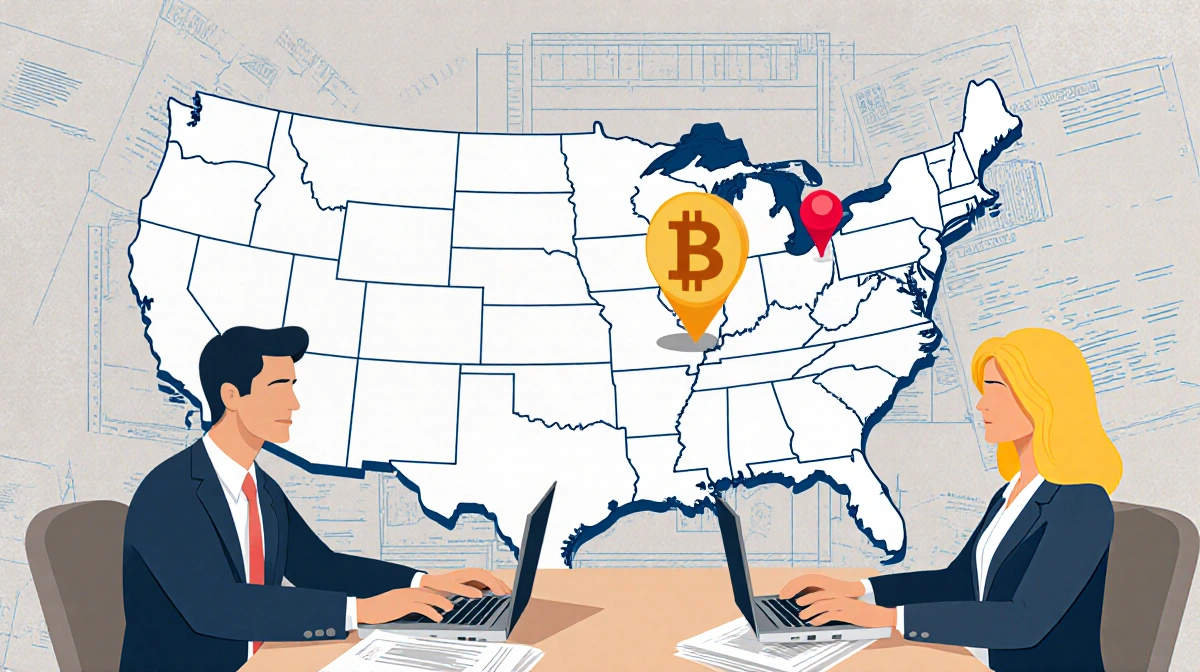
State lawmakers have stepped in while federal details remain unfinished:
- Texas – enacted legislation and already purchased bitcoin
- Arizona – law on the books, no purchases yet
- New Hampshire – law enacted, purchases pending
Fresh bills were introduced last week in Florida and West Virginia, and several other legislatures are weighing proposals, according to tracking site Bitcoin Laws.
Advocates say state reserves signal growing acceptance of bitcoin as a store-of-value asset. El Salvador and Bhutan already hold bitcoin on their national balance sheets, and major institutions are following suit. Morgan Stanley is preparing a spot-bitcoin ETF after watching BlackRock’s iShares Bitcoin Trust attract heavy inflows. Harvard’s endowment and a handful of state pension funds have also added allocations.
Bitcoin Community Split
Not all bitcoiners cheer the federal plan. Some prefer other policy wins, such as:
- A de-minimis tax exemption for small bitcoin purchases
- Developer protections through the proposed CLARITY Act
Critics worry that using code contributed by open-source developers as the reserve’s first deposit could set a troubling precedent. For many enthusiasts, removing regulatory hurdles carries more weight than a government-run stockpile.
Key Takeaways
- The Trump administration’s marquee bitcoin reserve remains a work in progress 11 months after the signing ceremony.
- Texas is the only state so far that has both authorized and bought coins for its own reserve.
- DOJ will transfer forfeited Samourai Wallet bitcoin into the federal reserve rather than auction it.
- Crypto voters who backed Trump continue to wait for concrete progress on the pledge that helped secure their support.