At a Glance
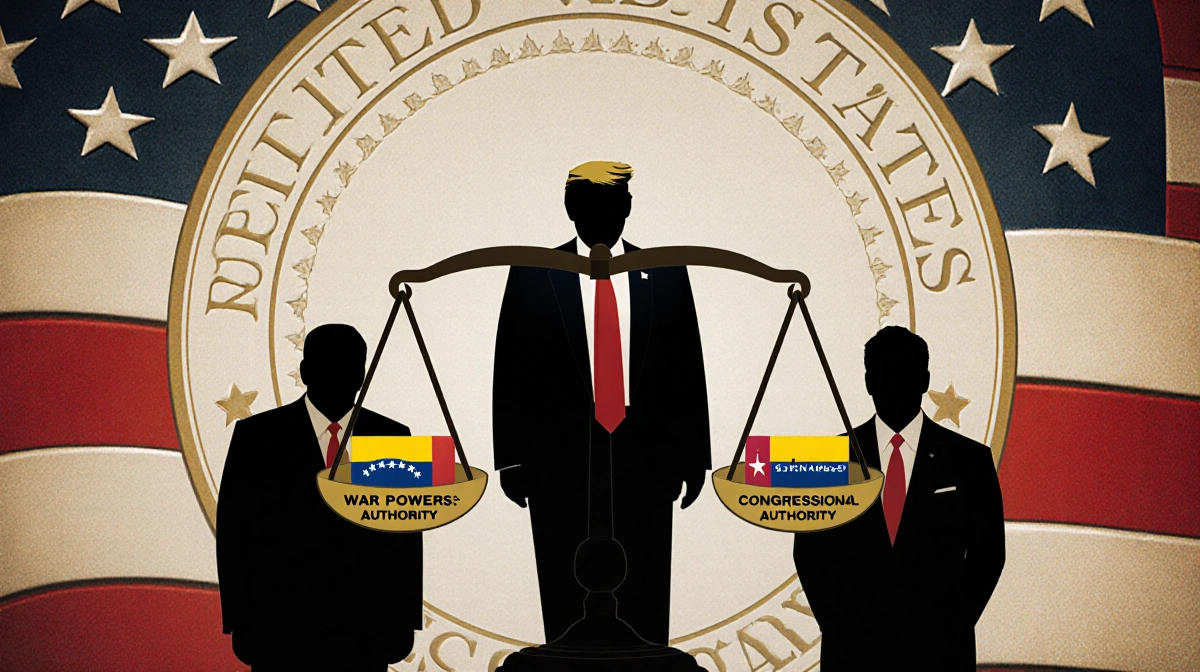
- President Trump ordered a strike to aid the arrest of Venezuelan President Nicolás Maduro, sparking a debate over U.S. war powers.
- Democrats argue the president overstepped; Republicans defend the action as a defense of Americans.
- Key statements from Senator Mike Lee, Vice President JD Vance, Rep Seth Moulton, and President Trump illustrate the partisan split.
- Why it matters: The incident tests the balance between Congress’s war-declaration authority and the president’s commander-in-chief powers.
The night of Friday, President Trump ordered a strike to facilitate the arrest of Venezuelan President Nicolás Maduro. The move has reignited a centuries-old constitutional tug-of-war over who can decide to use force. Politicians are already weighing the legality of the action.
Constitutional Foundations
The U.S. Constitution grants Congress the power to declare war (Article 1, §8) and the president the authority to command the armed forces (Article 2, §2). Congress says the president can deploy troops only if Congress has declared war, authorized force, or a national emergency exists. The executive claims a broader mandate to act without congressional approval.
- Congress requires a declaration of war, a specific authorization, or a national emergency.
- The president may act under Article II if there is an actual or imminent attack on U.S. personnel.
- Executive interpretations allow for broader, unilateral military action.
Past Military Actions Without Congressional Approval
Though no formal war declaration has been made since World War II, the U.S. has engaged in conflicts that received congressional authorization-Korea, Vietnam, Iraq-while other operations were carried out without explicit approval. Examples include the 2011 Obama strike in Pakistan, the 2025 Trump strike on Iranian nuclear facilities, and the killing of Osama bin Laden. These actions were justified by the executive as responses to threats or attacks.
| Conflict | Congressional Authorization | Executive Action |
|---|---|---|
| Korea | Yes | Yes |
| Vietnam | Yes (partial) | Yes |
| Iraq | Yes | Yes |
| Iran 2025 | No | Yes |
Reactions to Maduro Operation
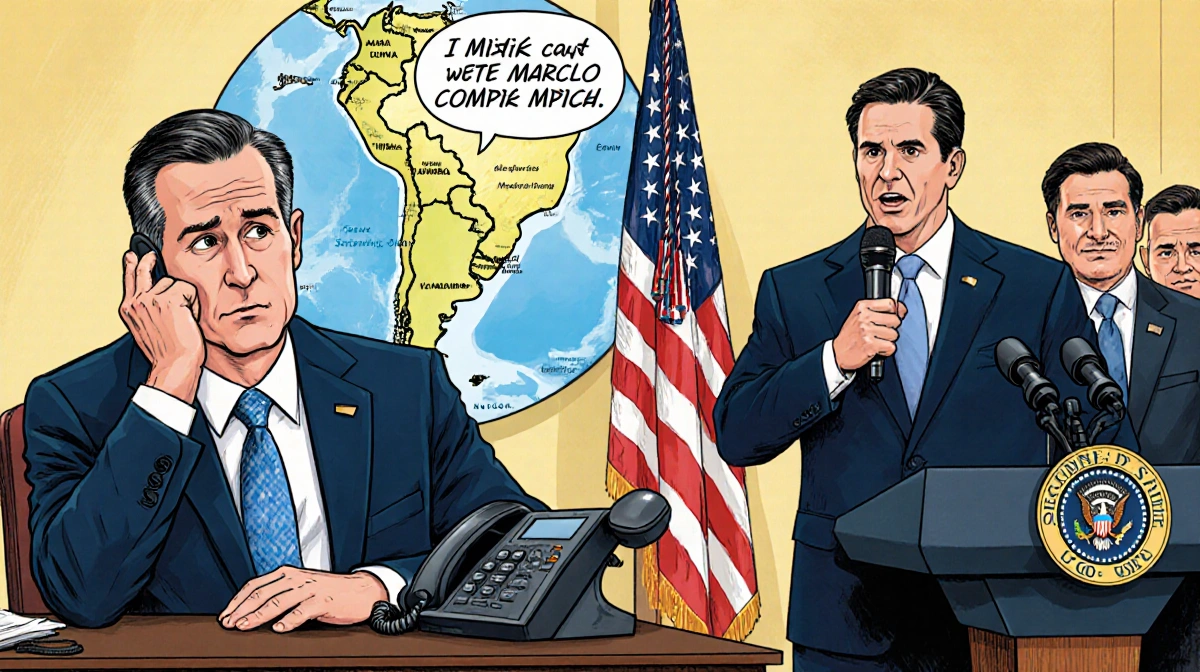
Senator Mike Lee first expressed skepticism, then shifted after a call from Secretary of State Marco Rubio. Vice President JD Vance defended the action as a lawful response to drug-trafficking indictments. Rep Seth Moulton criticized the move as reckless regime change.
Senator Mike Lee posted:
> “I look forward to learning what, if anything, might constitutionally justify this action in the absence of a declaration of war or authorization for the use of military force.”
Senator Mike Lee later said:
> “The kinetic action we saw tonight was deployed to protect and defend those executing the arrest warrant. This action likely falls within the president’s inherent authority under Article II of the Constitution to protect U.S. personnel from an actual or imminent attack.”
Vice President JD Vance wrote:
> “Maduro has multiple indictments in the United States for narcoterrorism. You don’t get to avoid justice for drug trafficking in the United States because you live in a palace in Caracas.”
Rep Seth Moulton stated:
> “Congress did not authorize this war. Venezuela posed no imminent threat to the United States. This is reckless, elective regime change risking American lives (Iraq 2.0) with no plan for the day after. Wars cost more than trophies.”
Trump’s Defense
President Trump dismissed critics as weak, saying, “These are weak, stupid people.”
Key Takeaways
- The Maduro strike highlights the enduring conflict between congressional war-declaration authority and presidential military power.
- Congressional and executive interpretations differ on when the president may act without explicit authorization.
- Partisan reactions underscore the political stakes of any U.S. military engagement.
The operation may reshape future discussions about the limits of presidential war powers and the role of Congress in authorizing military action.