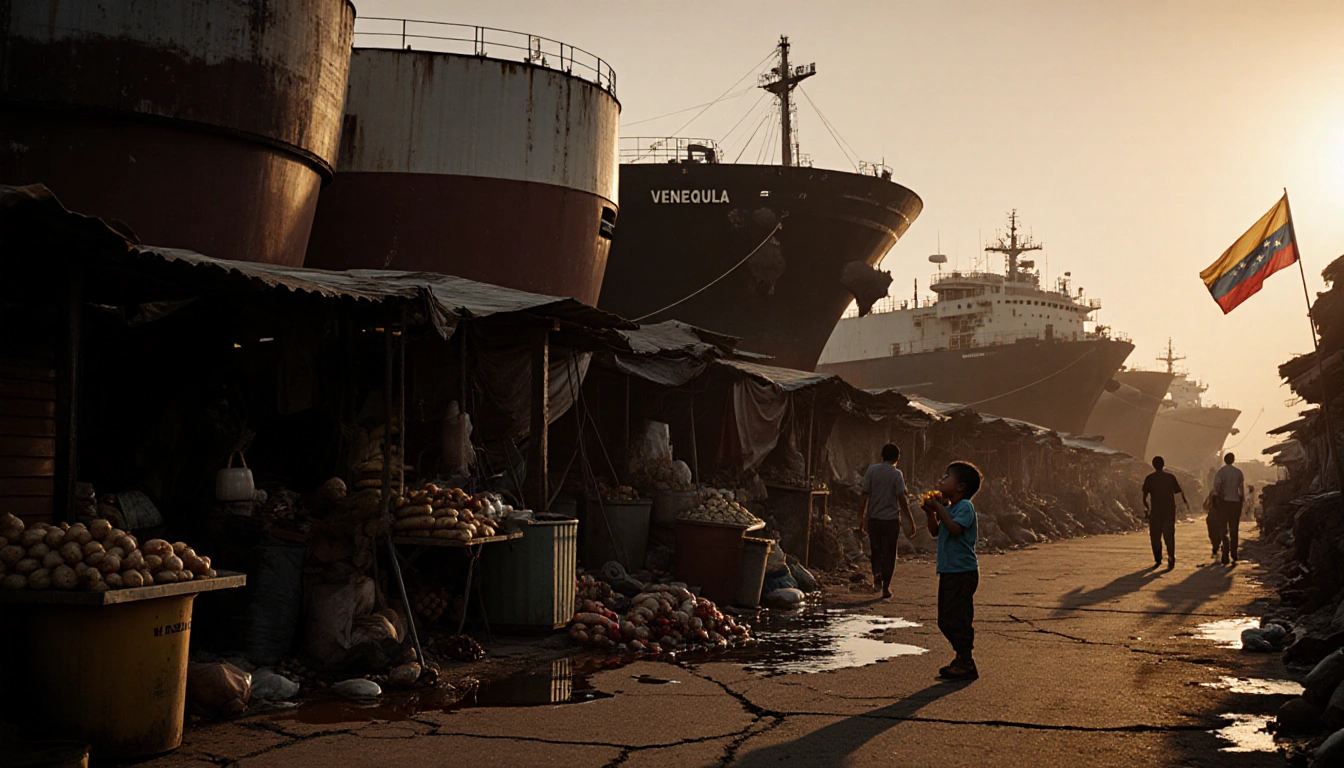
In a move that could plunge Venezuela deeper into crisis, U.S. President Donald Trump announced on Tuesday that he would block all sanctioned oil tankers from entering Venezuelan ports. The threat comes amid a backdrop of years of political, social and economic turmoil that has already left the country grappling with shortages of food, gasoline and other essentials.
The Blockade Announcement
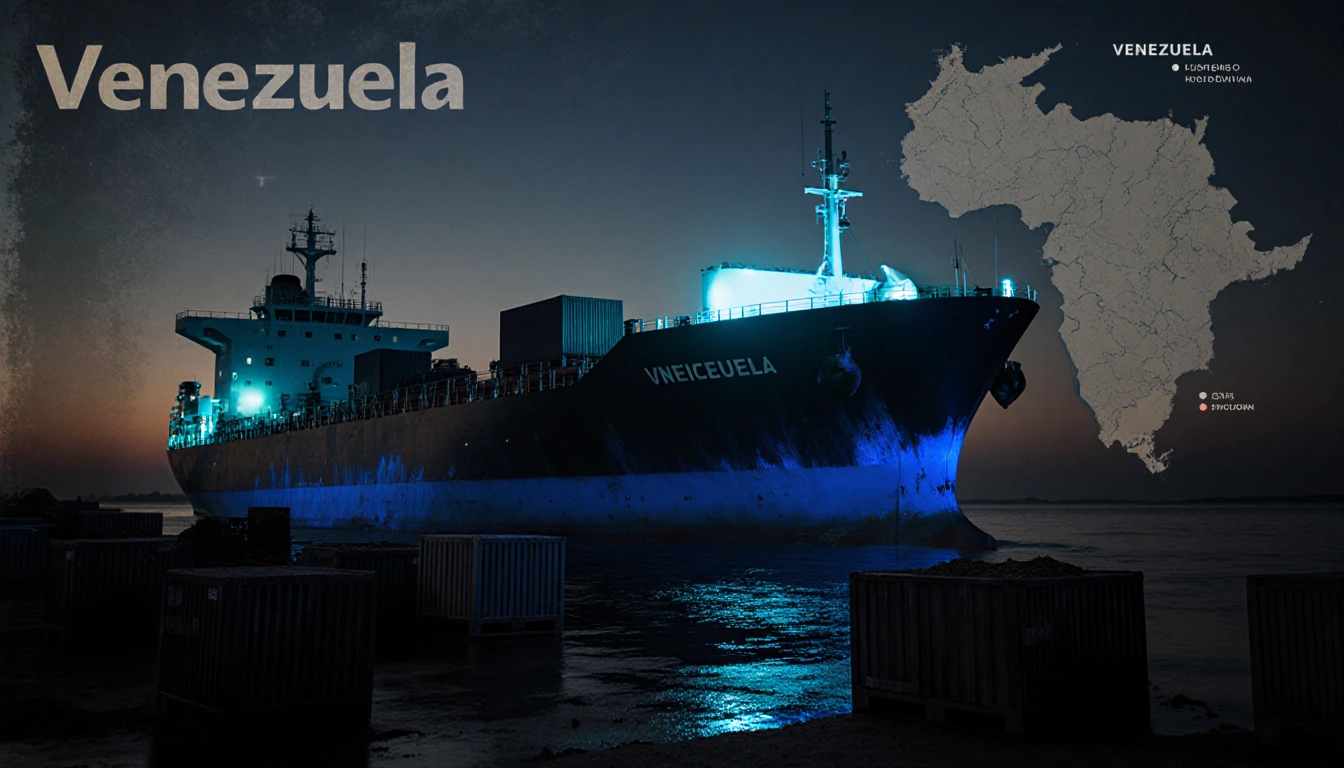
Trump’s order followed a U.S. seizure of an oil tanker off Venezuela’s coast last week, part of a broader military buildup that began in the Caribbean and has since expanded to the eastern Pacific Ocean. In a social-media post, Trump alleged that Venezuela was using its oil to fund drug trafficking and other crimes, and he vowed to continue the buildup until the country returned assets seized from U.S. oil companies. The president also demanded the return of assets that Venezuela had taken from American firms years earlier.
Venezuela’s Oil-Driven Economy
Venezuela holds the world’s largest proven oil reserves and produces roughly 1 million barrels a day, with more than 80 % of output exported. The Maduro government has relied on a shadowy fleet of unflagged tankers to smuggle crude into global supply chains since 2017, when the first Trump administration began imposing sanctions on the industry. The country’s economy depends heavily on oil, and a full implementation of the blockade would cut off a source that accounts for 90 % of Venezuela’s exports.
Economic Fallout
David Smilde, a Tulane University professor who has studied Venezuela for over thirty years, warned that the blockade would trigger a massive contraction. “This is a country that traditionally imports a lot, not just finished goods, but most intermediate goods – everything from toilet paper to food containers,” Smilde said. “If you don’t have foreign currency coming up, that just brings the whole economy to a halt.” He added that shortages and price hikes would follow, and fuel could become scarce because some tankers ship fluids used to produce gasoline for the local market.
Pedro Arangura, waiting for a remittance store to open, said, “Things are going to get tough here,” and added, “We have to put up with it. Nobody wants it, but it’s going to happen.” Arangura warned that material difficulties could lead to Maduro’s ouster, echoing the opposition’s long-standing narrative.
Ismael Chirino echoed the sentiment of resilience. “We held on. We didn’t have gas, we didn’t have gasoline, we didn’t have money, and yet, we withstood all of that,” Chirino said, referring to the late 2010s when shortages were widespread. He urged caution, saying the U.S. should think carefully if it wants to take over Venezuela’s wealth and territory.
Military Buildup and Allegations
The White House has framed the buildup as a measure to stop drug flow into the United States, noting that the operation has killed at least 95 people, with Venezuelans among them. Maduro denies the drug accusations and, along with his allies, claims the operation’s true purpose is to force a government change. They also allege that the U.S. is after Venezuela’s vast oil and mineral resources.
Smilde argued that Trump’s threat is a gift to Chavismo, the political movement Maduro inherited from former President Hugo Chávez. “There are few actions that any U.S. president has taken in the last 25 years that have better fit Chavismo’s line than Donald Trump’s tweet last night,” Smilde said. “They have been saying this from the beginning, ‘The U.S. wants our oil.’ So, finally, the discourse has the evidence.”
Key Takeaways
- Trump’s blockade threatens to cut off 90 % of Venezuela’s exports, potentially triggering a severe economic collapse.
- The country’s reliance on oil and a shadowy tanker fleet makes it vulnerable to U.S. sanctions and military action.
- Public sentiment remains mixed; many Venezuelans have endured past shortages and fear further hardship, while opposition voices warn of political instability.
The looming blockade adds another layer of uncertainty to a nation already beset by chronic crises. Whether the U.S. will follow through, and how Venezuela will respond, will shape the country’s future for years to come.