The United States and European leaders are inching toward a new security framework for Ukraine, following a series of talks in Berlin that could reshape the region’s future.
A New Chapter in Ukraine’s Security
U.S. officials announced on Monday that Washington has agreed to supply unspecified security guarantees to Kyiv as part of a broader peace package aimed at ending Russia’s almost four‑year war. The talks, which followed a meeting with President Volodymyr Zelenskyy in Berlin, are expected to resume over the weekend in Miami or another U.S. venue.
“I think we’re closer now than we have been, ever,” President Donald Trump told reporters at a separate White House event. He added, “We’re having tremendous support from European leaders. They want to get it ended, also.”
The offer of guarantees will not remain on the table indefinitely. The administration plans to present the agreement to the Senate for approval, though it has not clarified whether the measure would require the two‑thirds ratification typical of a treaty.
Building a Multinational Shield
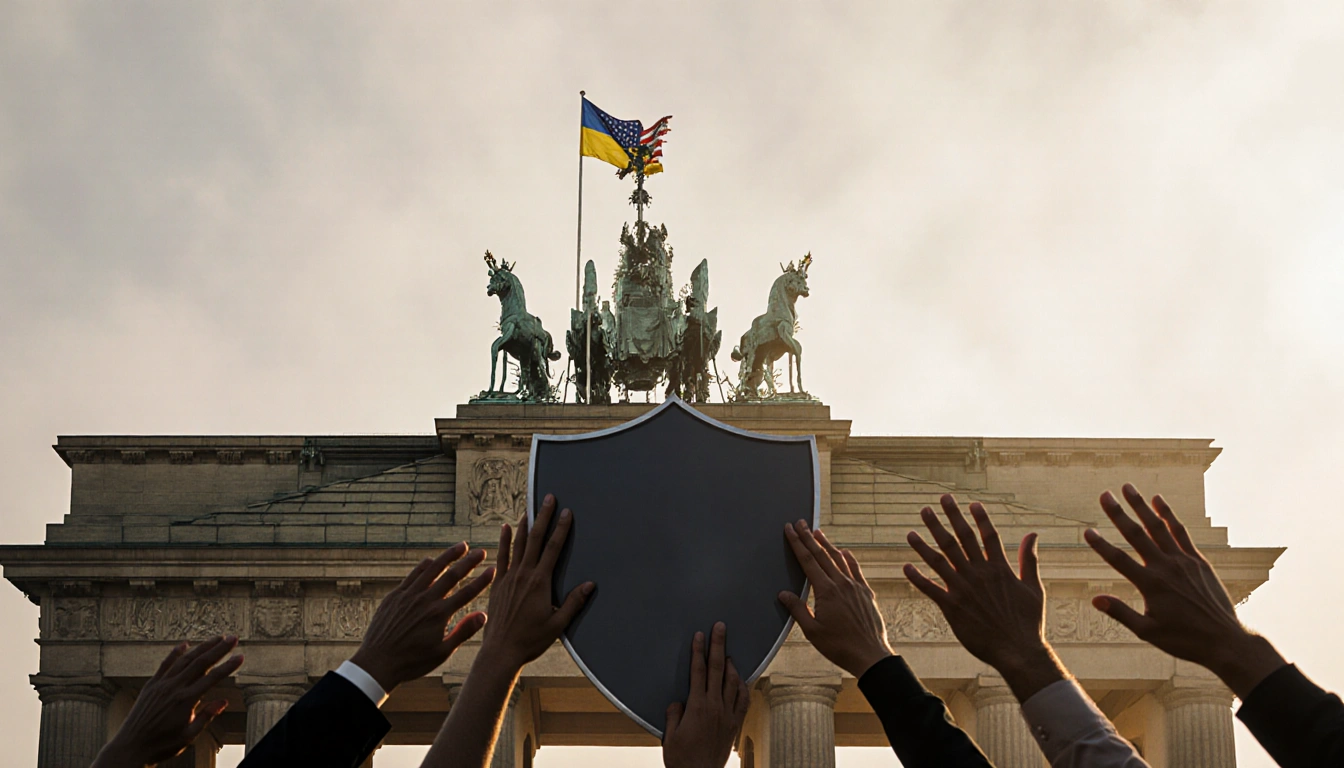
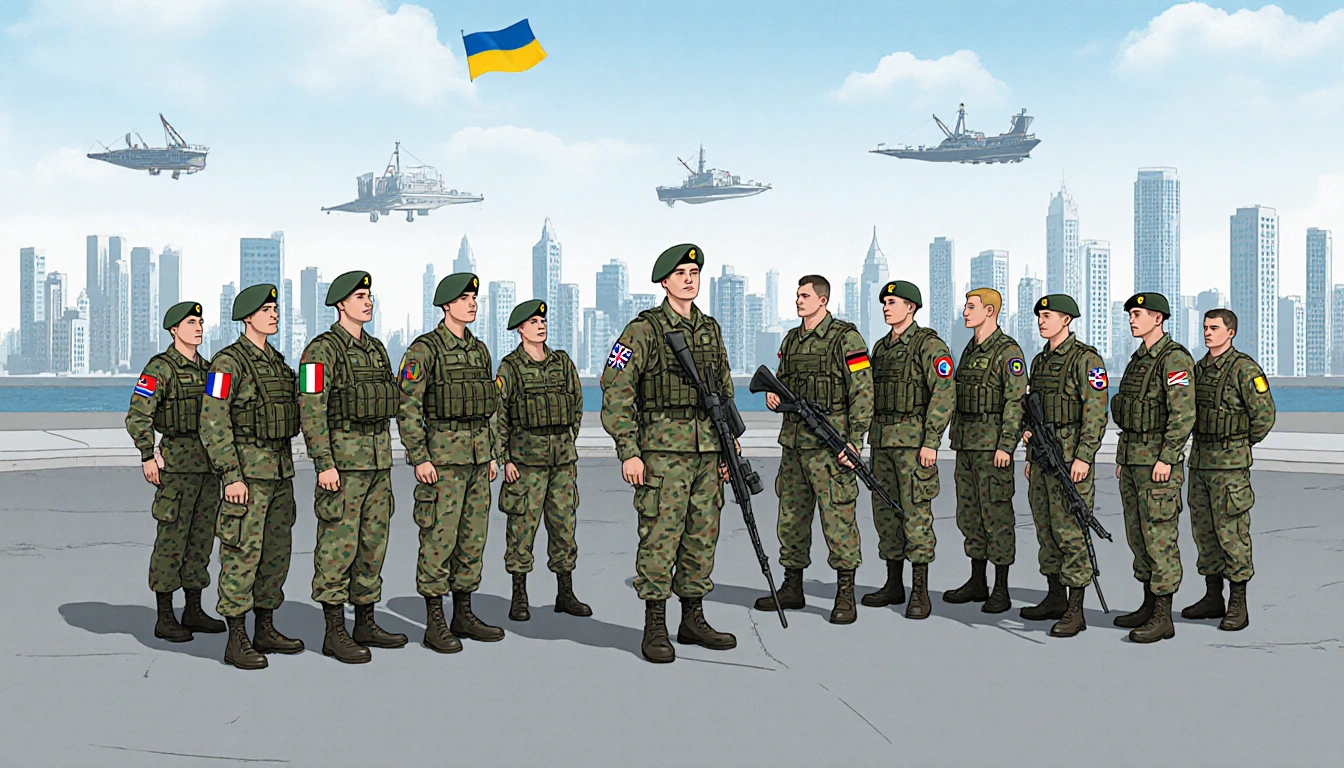
European leaders in Berlin stressed a joint commitment to provide “robust security guarantees,” including a European‑led “multinational force Ukraine” backed by the U.S. The force would operate inside Ukraine, help rebuild its armed forces, secure its skies, and support safer seas. Ukrainian troops would be maintained at a peacetime level of 800,000.
During the negotiations, President Trump’s envoys—Steve Witkoff and Jared Kushner—were accompanied by U.S. Air Force General Alexus Grynkewich, head of NATO’s military operations and U.S. European Command. The discussions focused on the details of an “Article 5‑like” security agreement, echoing NATO’s collective‑defence clause.
The U.S. side handed the Ukrainians a document that laid out the proposed guarantees in greater detail. Ukrainian officials noted that earlier iterations of the U.S. peace proposal had lacked this specificity, a point highlighted by U.S. officials.
German Chancellor Friedrich Merz praised the progress, calling it a “truly far‑reaching, substantial agreement that we did not have before, namely that both Europe and the U.S. are jointly prepared to do this.”
Stubborn Hurdles: Territory and Legality
Despite these advances, key obstacles remain. Zelenskyy has insisted that any Western security assurances must be legally binding and backed by Congress. Meanwhile, Russia has warned it will not accept NATO troops on Ukrainian soil.
On Monday, Zelenskyy described the talks as “substantial” but acknowledged that differences over territory persist. He has signaled a willingness to drop Ukraine’s bid for NATO membership if comparable guarantees are offered, yet the country’s preference remains membership as the best deterrent against further Russian aggression.
Ukraine continues to reject U.S. pressure to cede territory to Russia. President Vladimir Putin wants Kyiv to withdraw its forces from the part of Donetsk still under its control as a key condition for peace.
U.S. officials said the peace plan is about 90 % agreed upon, and Russia has indicated openness to Ukraine joining the European Union—an option it previously said it did not object to. The Kremlin, however, demands that Ukraine renounce its NATO bid as part of any settlement.
When asked whether a deal could be reached by Christmas, Kremlin spokesperson Dmitry Peskov dismissed the idea as a “thankless task.” “He is open to peace, to a serious peace and serious decisions. He is absolutely not open to any tricks aimed at stalling for time,” Peskov said.
Putin has denied plans to attack any European allies.
Drone Strikes Intensify the Tension
Russia launched 153 drones of various types at Ukraine overnight Sunday into Monday, according to Ukraine’s Air Force. The Ukrainian side reported that 133 drones were neutralized and 17 hit their targets.
In Russia, the Defense Ministry said its forces destroyed 130 Ukrainian drones overnight, with an additional 16 destroyed between 7 a.m. and 8 a.m. local time. Eighteen drones were shot down over Moscow itself, prompting a temporary halt to flights at Domodedovo and Zhukovsky airports as a safety measure.
Damage details and casualty figures remain unavailable.
Reporters on the Ground
The story was reported by Madhani in Washington; Seung Min Kim and Darlene Superville in Washington; Pietro De Cristofaro in Berlin; Illia Novikov in Kyiv; and Katie Marie Davies in Manchester, England.
Key Takeaways
- U.S. and European leaders are close to finalising a security guarantee package for Ukraine, with potential Senate approval.
- A European‑led multinational force, supported by the U.S., is part of the proposed security framework.
- Territorial disputes and the legality of guarantees remain major sticking points in the negotiations.
The evolving talks underscore the complex interplay between security commitments, territorial concessions, and international law as the world watches for a lasting resolution to the conflict.