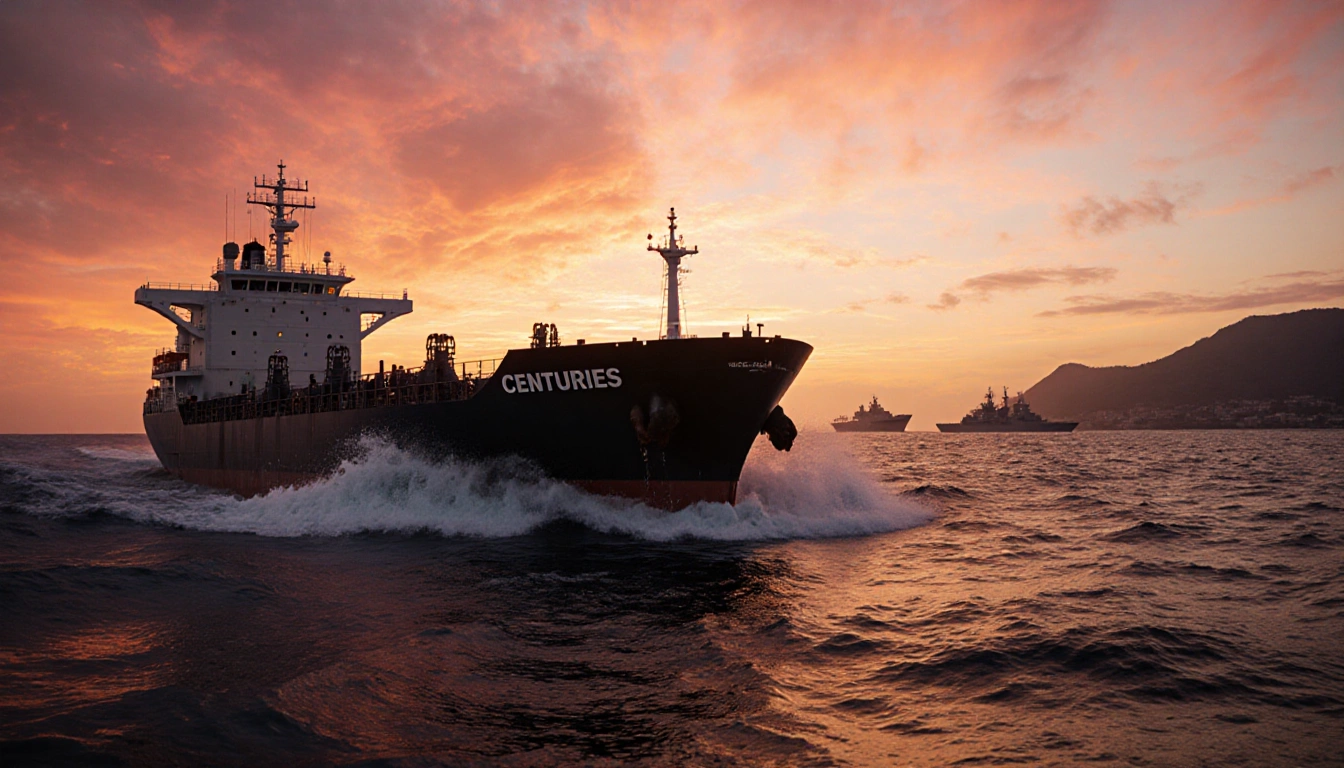
U.S. forces stopped the oil tanker Centuries off Venezuela’s coast on Saturday, marking the second interdiction in less than two weeks as President Donald Trump ramps up pressure on President Nicolás Maduro.
First Seizure of Skipper
On December 10, U.S. forces seized the tanker Skipper off Venezuela’s coast. The vessel was part of a shadow fleet that moved sanctioned cargo and was not flying a nation’s flag when it was seized.
Trump Announces a Blockade
Shortly after the Skipper seizure, President Trump announced a “blockade” of all sanctioned oil tankers coming in and out of Venezuela. He said the blockade was aimed at stopping the illicit movement of sanctioned oil that funds narco-terrorism.
Second Interdiction: The Centuries
The second tanker, Centuries, was flagged under Panama and operated under that name. MarineTraffic, a global vessel-tracking project, recorded the ship near the Venezuelan coast. It was not clear whether the vessel was under U.S. sanctions.
Homeland Security Confirmation
Homeland Security Secretary Kristi Noem confirmed that the U.S. Coast Guard, with help from the Defense Department, stopped the tanker that had last docked in Venezuela. She posted an unclassified video of a U.S. helicopter landing personnel on the Centuries.
Noem’s Statement on X
In a post on X, Noem wrote: “The United States will continue to pursue the illicit movement of sanctioned oil that is used to fund narco terrorism in the region. We will find you, and we will stop you.”
Consented Boarding
The action was described as a “consented boarding,” meaning the tanker stopped voluntarily and allowed U.S. forces to board it. A U.S. official, not authorized to comment publicly, spoke on the condition of anonymity.
White House Deputy Press Secretary Comments
White House Deputy Press Secretary Anna Kelly posted online that the Centuries was a “falsely flagged vessel operating as part of the Venezuelan shadow fleet to traffic stolen oil” and that the oil it was carrying was sanctioned.
Maritime Historian’s View
Dr. Salvatore Mercogliano, a maritime historian and merchant shipping expert at Campbell University, said that according to several shipping industry databases, the Centuries appeared to be operating legally. “Everything indicates that she is a properly registered vessel,” Mercogliano said. He noted it was almost certain that the Centuries took on a load of sanctioned oil.
Mercogliano on Escalation
To Mercogliano, even though the Centuries was carrying oil subject to sanctions, the seizure is “a big escalation.” He added, “This one is meant to scare other tankers away.”
Venezuelan Government’s Response
Venezuela’s government released a statement on Saturday calling the U.S. forces’ actions “criminal” and vowed that they would not let the actions go “unpunished”. The statement said: “The Bolivarian Republic of Venezuela categorically denounces and rejects the theft and hijacking of another private vessel transporting Venezuelan oil, as well as the enforced disappearance of its crew, perpetrated by United States military personnel in international waters.”
Background on U.S. Oil Interests
U.S. oil companies dominated Venezuela’s petroleum industry until the country’s leaders nationalized the sector first in the 1970s and again in the 21st century under Maduro and his predecessor, Hugo Chávez. Compensation offered by Venezuela was deemed insufficient, and in 2014 an international arbitration panel ordered the country to pay $1.6 billion to ExxonMobil.
U.S. Vessel Attacks in the Caribbean
The targeting of tankers comes as Trump ordered the Defense Department to carry out a series of attacks on vessels in the Caribbean and eastern Pacific Ocean that the administration alleges are smuggling fentanyl and other illegal drugs into the United States and beyond. At least 104 people have been killed in 28 known strikes since early September.
Congressional and Human-Rights Scrutiny
The strikes have faced scrutiny from U.S. lawmakers and human-rights activists, who say the administration has offered scant evidence that its targets are indeed drug smugglers and that the fatal strikes amount to extrajudicial killings.
Coast Guard and Navy Operations
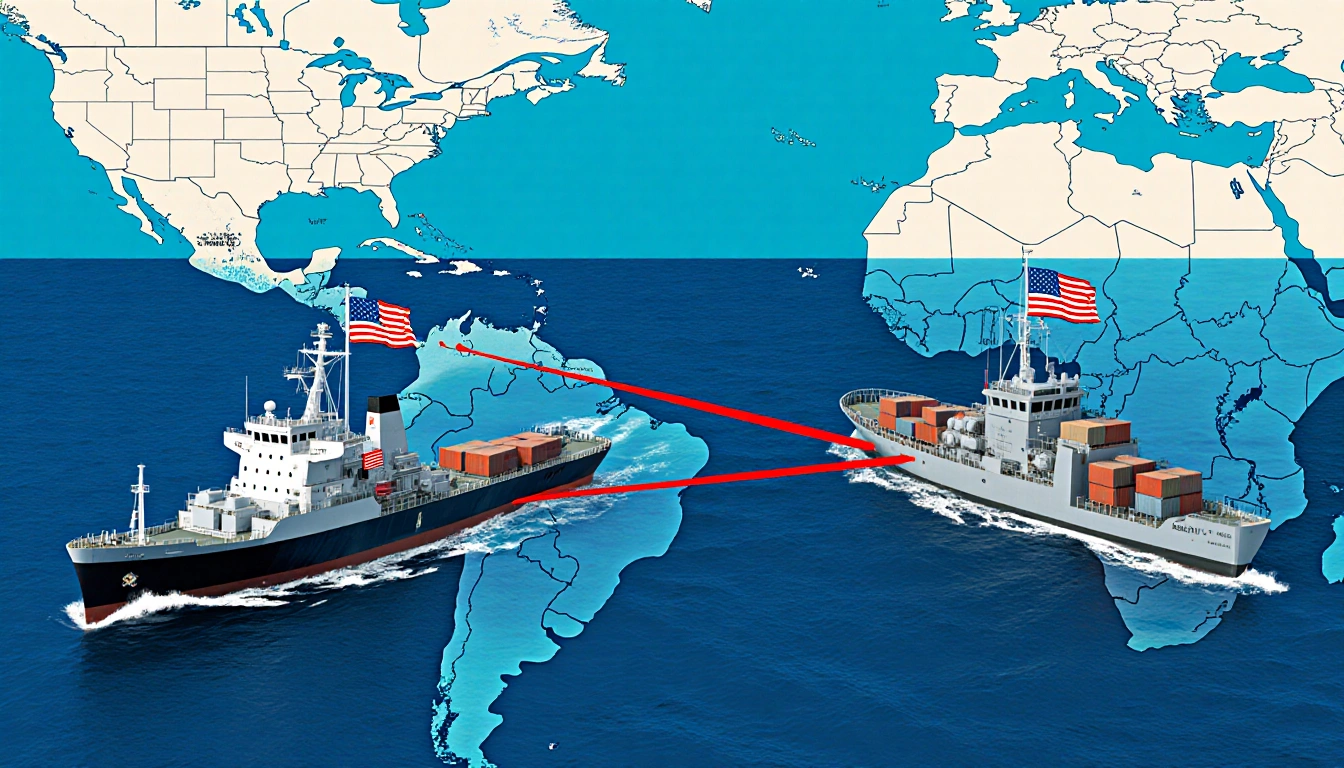
The Coast Guard, sometimes with help from the Navy, had typically interdicted boats suspected of smuggling drugs in the Caribbean Sea, searched for illicit cargo, and arrested the people aboard for prosecution.
Administration’s Rationale
The administration has justified the strikes as necessary, asserting it is in “armed conflict” with drug cartels aimed at halting the flow of narcotics into the United States. Maduro faces federal charges of narcoterrorism in the U.S.
Warship Buildup and Future Attacks
In recent months the U.S. has sent a fleet of warships to the region, the largest buildup of forces in generations, and Trump has stated repeatedly that land attacks are coming soon.
Maduro’s Position
Maduro insists the real purpose of the U.S. military operations is to force him from power. White House chief of staff Susie Wiles said in an interview with Vanity Fair published this week that Trump “wants to keep on blowing boats up until Maduro cries uncle.”
Key Takeaways
- The U.S. seized the tanker Centuries on Saturday, marking the second interdiction in less than two weeks.
- President Trump announced a blockade of all sanctioned oil tankers traveling to or from Venezuela.
- The Venezuelan government condemned the seizure as criminal and vowed legal retaliation.
The seizure of Centuries underscores the escalating U.S. enforcement of sanctions against Venezuela and highlights the broader conflict over oil, nationalization, and alleged drug trafficking. As the U.S. continues to target vessels, the international community watches closely for the implications on maritime security and diplomatic relations.