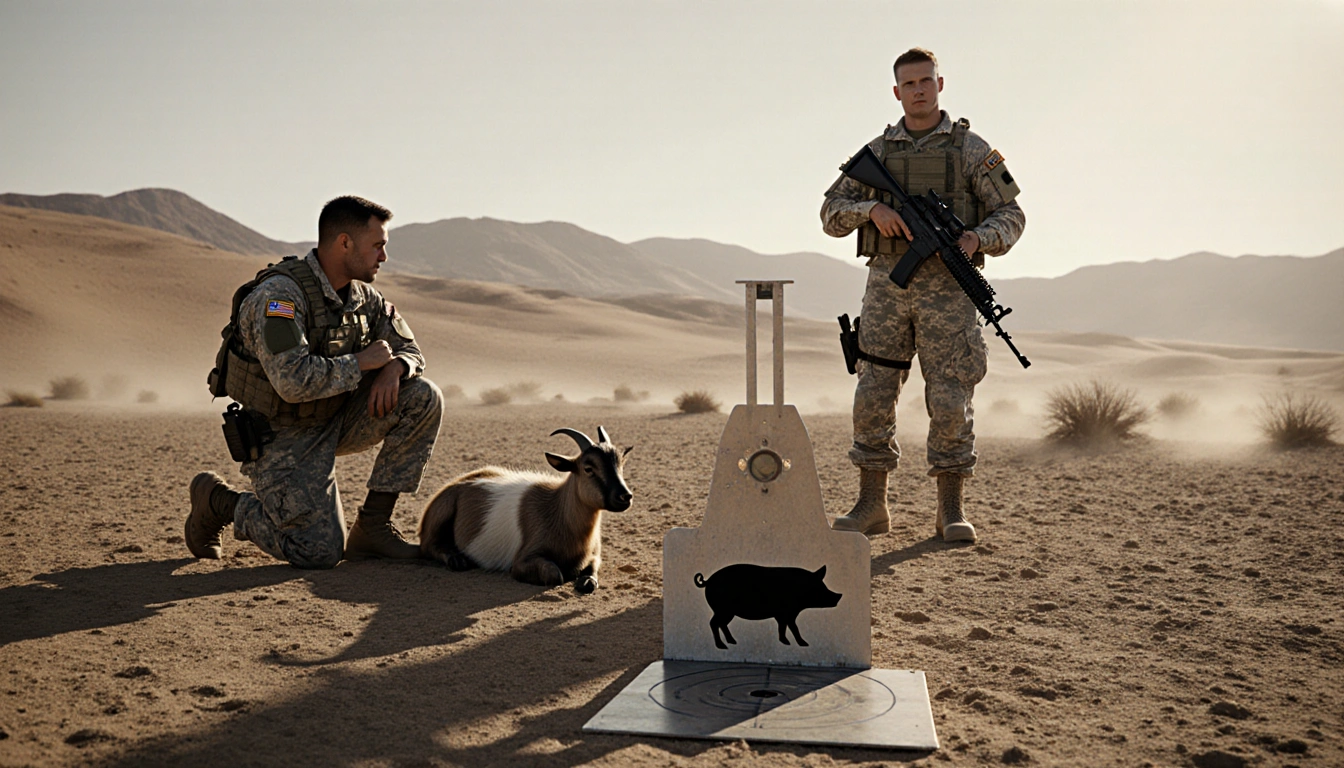
The U.S. military will stop shooting pigs and goats to train medics, a move that ends a long-standing practice of live animal use in combat-zone preparation.
The prohibition on “live fire” training that includes animals is part of this year’s annual defense bill, although other uses of animals for wartime training will continue.
Rep. Vern Buchanan, a Florida Republican known for his focus on animal rights, championed the ban.
Buchanan called the change “a major step forward in reducing unnecessary suffering in military practices.”
In a statement to The Associated Press, he added, “With today’s advanced simulation technology, we can prepare our medics for the battlefield while reducing harm to animals,” and, “As Co-Chair of the Animal Protection Caucus, I’m proud to continue leading efforts to end outdated and inhumane practices.”
Buchanan’s office said the Defense Department will still allow training that involves stabbing, burning and using blunt instruments on animals, while also permitting “weapon wounding,” which is when the military tests weapons on animals.
Animal rights groups say the animals are supposed to be anesthetized during such training and testing.
The Defense Health Agency, which oversees the training, said in a statement Friday that the Defense Department, “remains committed to replacement of animal models without compromising the quality of medical training.”
The agency cited the establishment of its Defense Medical Modeling and Simulation Office as a testament to those efforts, which include “realistic training scenarios to ensure medical providers are well-prepared to care for the combat-wounded.”
Groups such as People for the Ethical Treatment of Animals declared victory, saying the change will spare the lives of thousands of animals each year and “marks a historic shift toward state-of-the-art, human-relevant simulation technology.”
It’s unclear how often the military uses animals for training, but previous defense bills and other pieces of legislation have sought to reduce their use for trauma training, according to a 2022 report from the Government Accountability Office, an independent agency that serves Congress.
The 2013 defense bill required the Pentagon to submit a report that outlined a strategy for transitioning to human-based training methods, the GAO said.
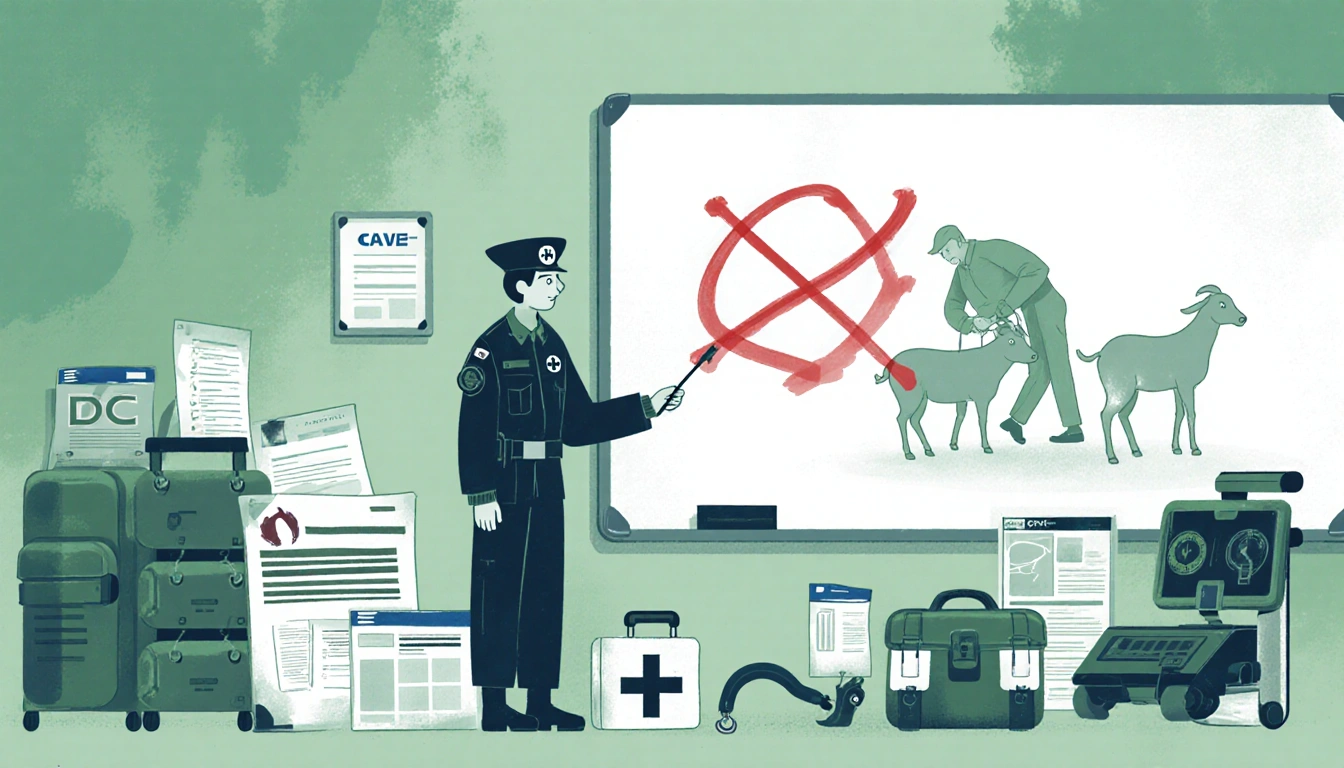
A 2018 statute required the secretary of defense to ensure the military used simulation technology “to the maximum extent practicable” or unless use of animals was deemed necessary by the medical chain of command.
The GAO report stated the animals are placed under anesthesia and then euthanized.
“Live animals such as pigs and goats are used in trauma training because their organs and tissues are similar to humans, they have biological variation that can complicate treatment and provide opportunities to control medical conditions,” the report stated.
But groups such as the Physicians Committee for Responsible Medicine say anesthetized pigs and goats do little to prepare medics or corpsmen for treating wounded servicemembers.
They said the advent of “cut suits” that are worn by people are much better at mimicking an injured human who is moaning and writhing.
The big argument is this is a living, breathing thing that they have to take care of and there’s this level of realism,” said Erin Griffith, a retired Navy doctor and member of the physicians committee.
But replicating what it’s like when their buddy is shot and bleeding and awake is very different.
The ban reflects a broader shift toward simulation-based training, but it also highlights the ongoing debate over the role of animals in military medical preparation.
Key Takeaways
- The U.S. military will no longer shoot pigs and goats for medic training.
- The ban is part of this year’s defense bill, but other animal-based training continues.
- The change follows long-standing efforts by animal-rights groups and GAO reports to reduce live-animal use.