At a Glance
- U.S. operation that seized Venezuelan President Maduro sparks backlash, with Latin American leaders condemning the move.
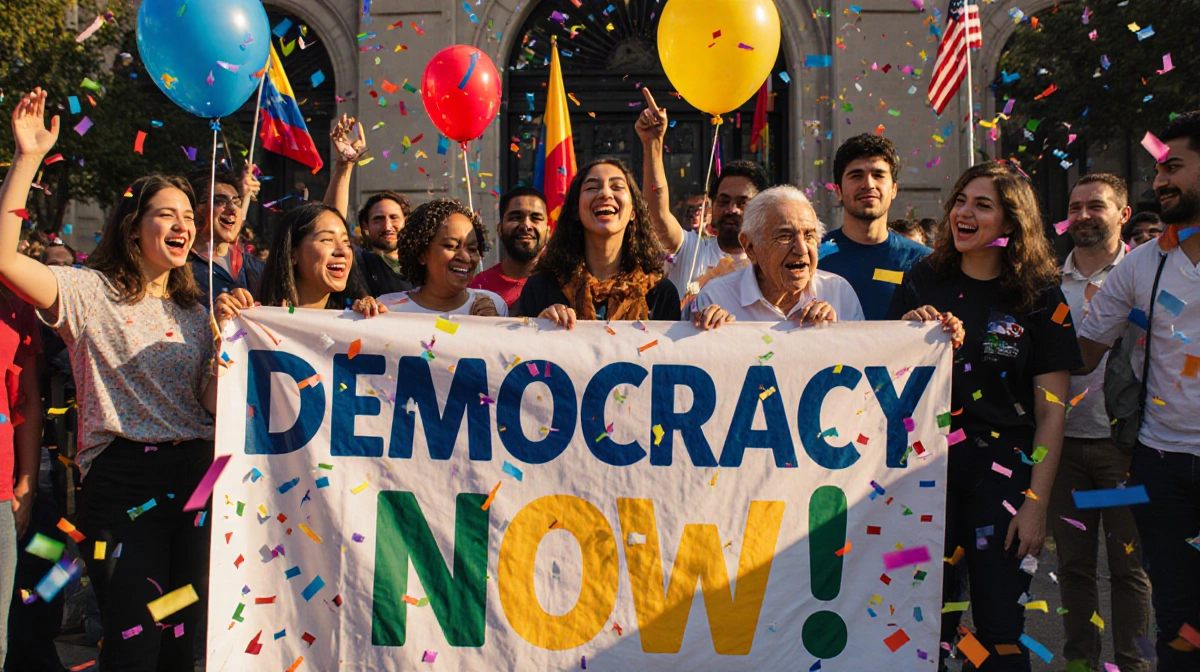
- Opposition voices celebrate the ouster of Maduro.
- Global leaders split between support for democratic change and defense of sovereignty.
Why it matters: The event raises questions about the use of force, international law, and the future of U.S. intervention in Latin America.
The U.S. military operation that captured Nicolás Maduro on Saturday has split the international community. While some leaders applaud a democratic shift, others warn that the action violates the United Nations Charter and threatens regional stability.
Global Reactions
- Mexican President Claudia Sheinbaum stated:
> “The Government of Mexico strongly condemns and rejects the military actions carried out unilaterally in recent hours by armed forces of the United States of America against targets in the territory of the Bolivarian Republic of Venezuela, in clear violation of Article 2 of the Charter of the United Nations (UN).”
- Brazilian President Luiz Inácio Lula da Silva warned:
> “These acts represent a most serious affront to Venezuela’s sovereignty and yet another extremely dangerous precedent for the entire international community.”
> “Attacking countries, in flagrant violation of international law, is the first step toward a world of violence, chaos, and instability, where the law of the strongest prevails over multilateralism.”
- Russian Foreign Ministry called the action an “act of armed aggression against Venezuela” and said the pretexts used were untenable.
- European Union Commission President Ursula von der Leyen said:
> “Following very closely the situation in Venezuela. We stand by the people of Venezuela and support a peaceful and democratic transition. Any solution must respect international law and the UN Charter.”
Latin American Leaders
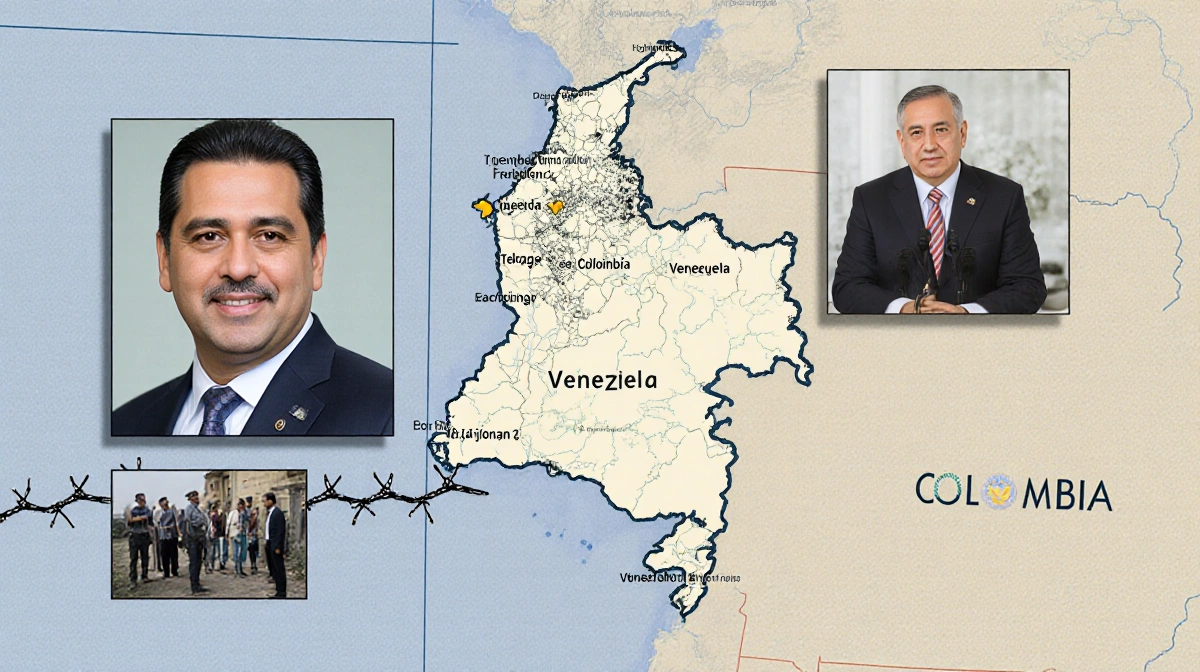
- Colombian President Gustavo Petro said the national government had mobilized to preserve stability on the Colombian-Venezuelan border, institute security and respond to humanitarian or migratory needs. He added that Colombia observed with deep concern the initial reports and rejected any unilateral military action that could aggravate the situation or put civilians at risk. He urged open diplomatic channels and multilateral verification of facts.
- El Salvador’s President Nayib Bukele reposted a July 21 statement that said the Venezuelan strongman had “run out of hostages from the world’s most powerful country.”
- Spanish Prime Minister Pedro Sánchez called for respect of international law and the UN Charter, noting that Madrid was conducting a thorough monitoring of the events in Venezuela.
Opposition and Exiled Voices
- Maria Corina Machado wrote on X that “the hour of freedom has arrived.”
- Svetlana Tsihanouskaya declared:
> “Dictators are not eternal – and today, it seems [Belarus’s President Alexander] Lukashenka has lost yet another illegitimate crony.”
> “Today my heart is with the people of Venezuela. I hope recent events will bring justice, freedom, and the rule of law that Venezuelans have long deserved and bravely fought for.”
- Ukraine’s Foreign Minister Andrii Sybiha emphasized Maduro’s illegitimacy and the importance of respecting international law, democracy, and human rights. He said the people of Venezuela must have a chance for normal life, security, prosperity, and human dignity.
- French Foreign Minister Jean-Noël Barrot warned that the operation contravened the principle of non-use of force and that violations by permanent Security Council members would have grave consequences for global security.
Key Takeaways
- The U.S. operation to capture Maduro has drawn sharp condemnation from many Latin American and global leaders.
- Opposition figures celebrate the event as a step toward democratic change.
- The incident raises serious concerns about the use of force and the respect for international law.
The debate over the operation underscores a deep divide between those who view it as a necessary move for democracy and those who see it as a dangerous precedent for U.S. interventionism.