At a Glance
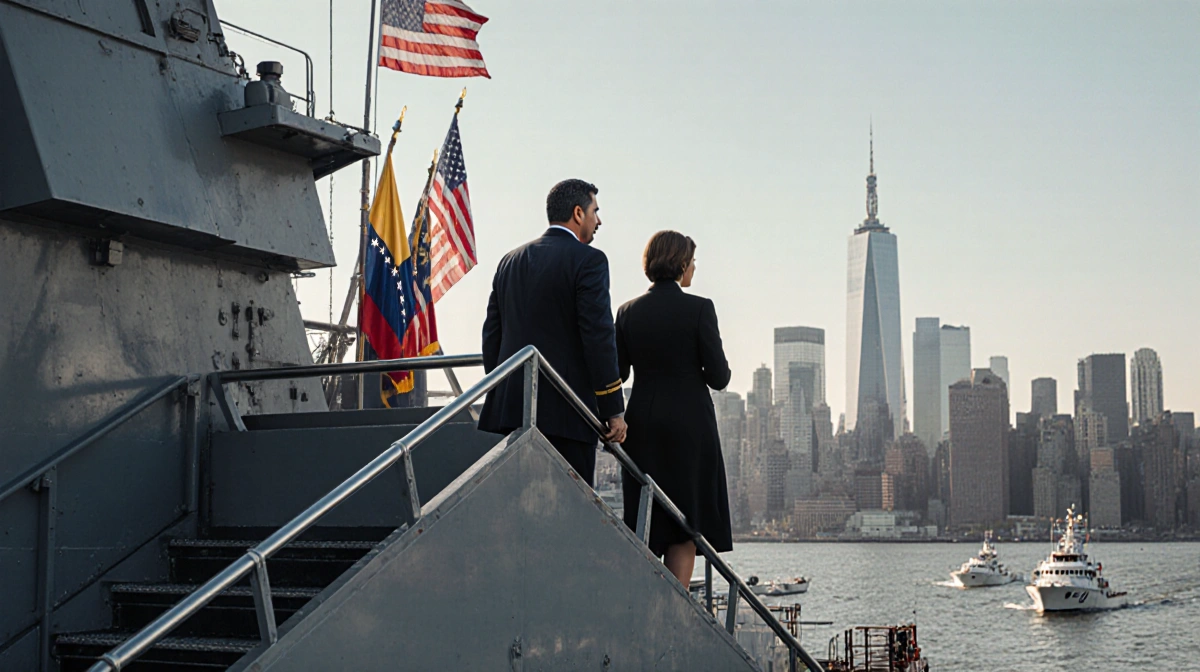
- The U.S. Navy seized Venezuelan President Maduro and his wife on a warship, heading them to New York for charges.
- 35 boat strikes and 115 deaths have marked the Trump administration’s campaign against Venezuelan drug traffickers.
- Congress has not authorized these actions, prompting urgent briefings and a war-powers vote.
- Why it matters: The move tests U.S. executive power, international law, and the future of U.S. military involvement in Latin America.
The midnight seizure of Maduro and his wife aboard a U.S. warship to face narco-terrorism conspiracy charges in New York has ignited a firestorm of legal and congressional criticism.
The Seizure and Legal Fallout
Maduro was captured on the 36th anniversary of Panama’s former strongman Manuel Noriega’s surrender, a date that underscores the historical weight of the operation.
Jimmy Gurule, a Notre Dame Law School professor and former assistant U.S. attorney, declared the act
Jimmy Gurule stated:
> “This is clearly a blatant, illegal and criminal act.”
He added that the seizure exceeded even the most aggressive American interventions in Panama and Iraq.
John Yoo, a former architect of the Bush administration’s Iraq policy and a law professor at UC Berkeley, warned that
John Yoo said:
> “It’s easier to remove a dictator, but ensuring a stable democratic transition is the harder part.”
The operation follows a broader campaign that has included 35 boat strikes, killing 115 people since September, and the positioning of an armada of warships off Venezuela’s coast.
Congressional Reactions
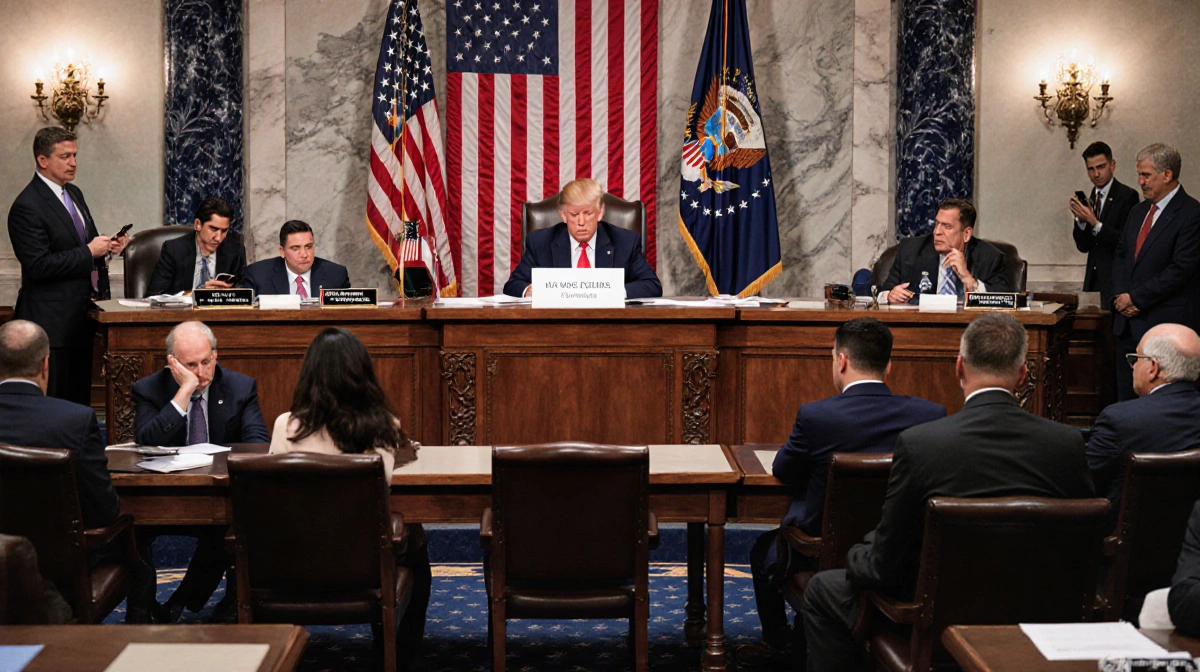
Congress has not authorized any military strike or law-enforcement action against Venezuela, prompting a flurry of political responses.
Sen. Chuck Schumer and Rep. Hakeem Jeffries demanded briefings for the Senate Intelligence Committee and other lawmakers, noting the lack of prior notification.
Michael Schmitt, a former Air Force lawyer and professor emeritus at the U.S. Naval War College, asserted that the operation
Michael Schmitt stated:
> “Lawyers call it international armed conflict. Lay people call it war. So as a matter of law, we are now at war with Venezuela because the use of hostilities between two states clearly triggers an internal armed conflict.”
The Trump administration has declared drug cartels operating from Venezuela unlawful combatants, framing the situation as an armed conflict that justifies military force.
War Powers and Future Actions
House Speaker Mike Johnson said the administration is working to schedule briefings for lawmakers next week.
John Thune, Senate Majority Leader, praised the forces but also expressed a need for more information.
John Thune said:
> “I am grateful for the armed forces who carried out this necessary action.”
He added that he has spoken with Secretary of State Marco Rubio and wants further details.
Marco Rubio explained at a briefing that the surprise operation could not have been shared beforehand with lawmakers.
Marco Rubio noted:
> “Because of the nature of the surprise operation, it was not something that could be shared beforehand with the lawmakers.”
The Senate is expected to vote on a bipartisan war-powers resolution that would block U.S. forces from acting against Venezuela without congressional authorization.
Key Takeaways
- The seizure of Maduro is the most overt U.S. intervention in Venezuela to date.
- Congressional leaders are demanding accountability and a clear legal basis for the operation.
- A forthcoming war-powers vote could redefine executive authority in foreign conflicts.
The operation’s legality and its implications for U.S. foreign policy remain hotly contested as lawmakers and experts weigh the balance between national security and international law.