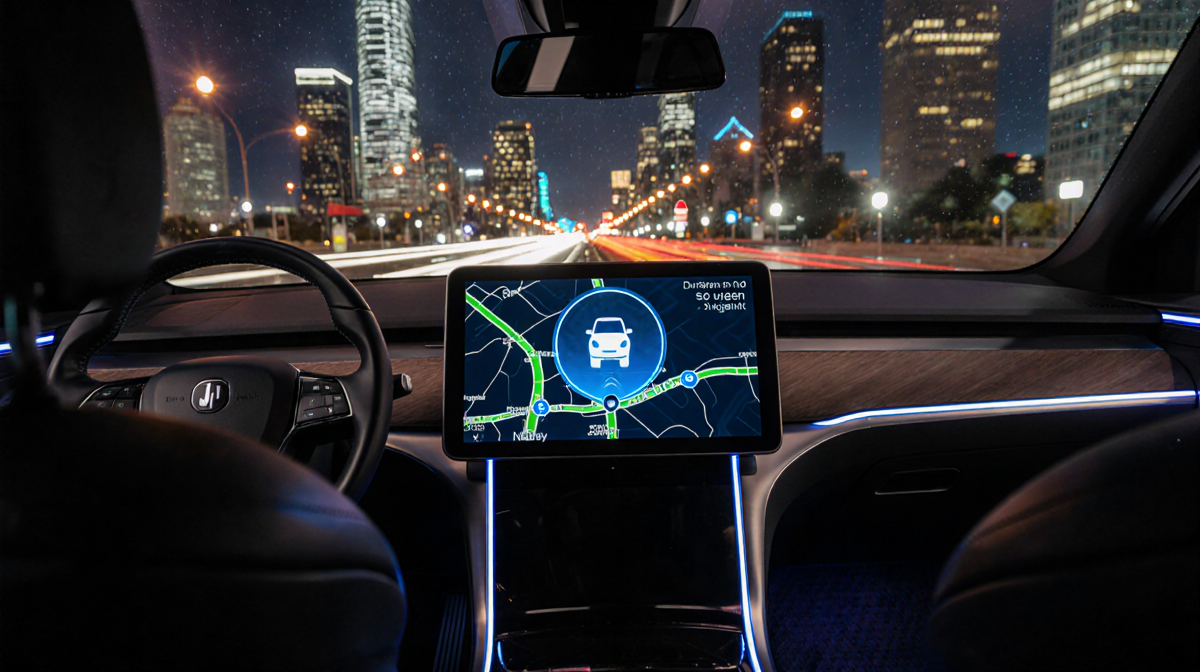
- Uber rolled out its first robotaxi route in Dallas last month.
- The company has created an AV Labs division to gather and share trip data.
- Partnerships with Lucid, Nuro, and Nvidia will test driverless vehicles in 2026.
- Why it matters: Uber is shifting from owning vehicles to providing data and tech partnerships, reshaping the autonomous ride-share market.
Uber’s first robotaxi rollout in Dallas last month marked a shift toward a data-centric approach for autonomous vehicles. The company is building an AV Labs division to collect trip data across all its service areas, and it is partnering with smaller firms for the technology rather than developing its own fleet.
Launch in Dallas
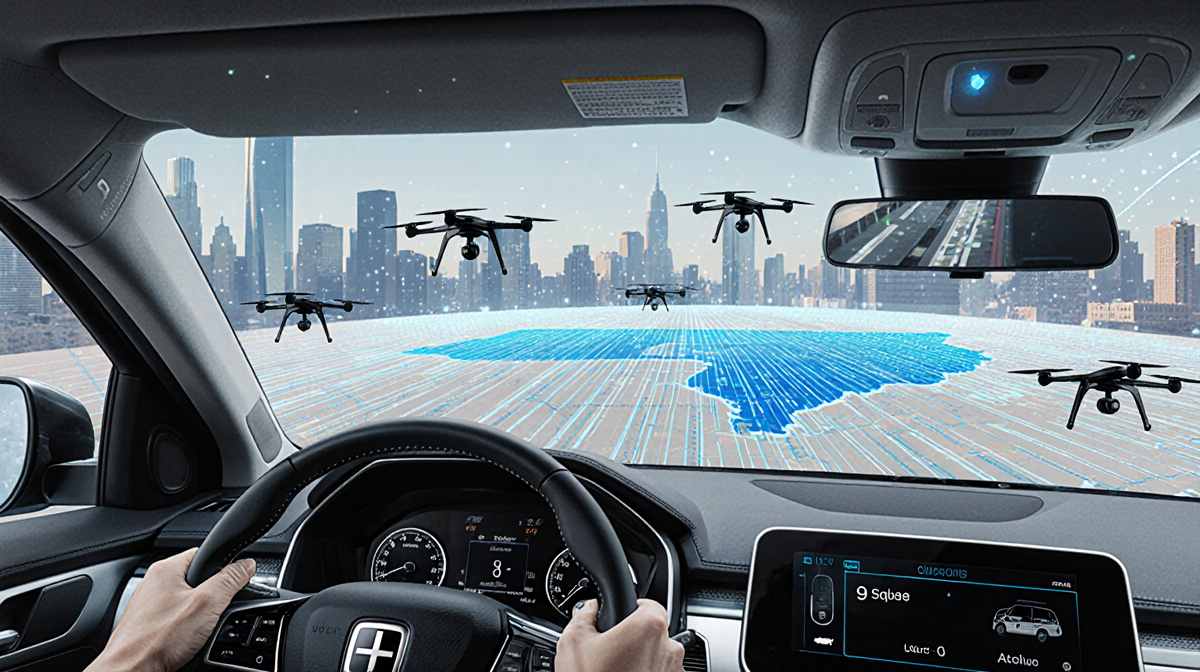
The pilot began in a 9-square-mile area of Dallas, where Uber partnered with Avride to deploy robotaxis that still have a human behind the wheel. The service is available through the Uber app, and riders can request a robotaxi or a regular Uber ride depending on local availability.
Key Details
- First route: 9-square-mile area in Dallas.
- Human-in-the-loop: Drivers still sit behind the wheel.
- Future plans: Driverless rides are planned for an unspecified date.
AV Labs and Data Strategy
Uber announced its new AV Labs division on Tuesday, stating it will manage data from Uber trips across all roads, cities, and airports it serves. The goal is to give partner autonomous-vehicle companies access to real-world data to improve their systems.
> “We are turning real-world operations into high-quality data that helps autonomous systems learn faster and perform better,” Uber said.
Why Data Matters
- Scale: Uber’s network covers millions of rides, generating vast amounts of sensor and operational data.
- Learning: Autonomous systems rely on diverse data to handle edge cases such as traffic light failures or passing school buses.
- Speed: Faster data cycles can accelerate development compared to isolated lab testing.
Partnerships and Future Plans
Uber’s strategy involves collaborating with established autonomous-vehicle developers rather than building its own fleet.
| Partner | Vehicle | Technology | Deployment Status |
|---|---|---|---|
| Lucid | Lucid Gravity-derived robotaxi | Nuro Level 4 human-less system | Testing announced at CES 2026 |
| Nuro | Lucid Gravity electric SUVs | Level 4 system | Deal signed last summer for 20,000 units |
| Nvidia | Drive Hyperion platform | Software stack | Integrated into Lucid Gravity robotaxi |
Timeline
| Date | Event |
|---|---|
| Last month | Dallas pilot launch |
| Last summer | Deal for at least 20,000 Lucid Gravity SUVs with Nuro’s Level 4 system |
| CES 2026 | Announcement of Lucid Gravity-derived robotaxi testing in San Francisco |
| Later this year | Planned testing in San Francisco area |
Challenges and Industry Context
Uber’s move comes amid high-profile incidents involving other autonomous-vehicle leaders. Waymo has faced traffic light failures in San Francisco, illegal passing of school buses in Austin, and charging issues in Santa Monica. Uber’s data-driven approach aims to mitigate similar risks by providing partners with comprehensive real-world data.
The company’s decision to forgo its own vehicle fleet reflects a broader trend in the autonomous-vehicle sector, where smaller companies are handling hardware while larger ride-share firms focus on infrastructure and data.
Key Takeaways
- Uber is leveraging its massive ride-share network to become a data provider for autonomous-vehicle developers.
- The Dallas pilot demonstrates the company’s willingness to experiment while keeping human drivers in the loop.
- Partnerships with Lucid, Nuro, and Nvidia signal a strategic shift toward collaboration over ownership.
- The planned testing of a Lucid Gravity-derived robotaxi in San Francisco later this year will be a critical milestone.
- Uber’s data-centric strategy could accelerate the broader adoption of driverless rides while addressing safety concerns that have plagued the industry.