In a decisive move, Ukrainian President Volodymyr Zelenskyy and 34 other nations formally approved a new compensation body on Tuesday, setting the stage for a global effort to seek reparations from Russia for the war’s devastation.
The Commission’s Birth
The International Claims Commission, facilitated by the Council of Europe, will allow Ukrainians to file claims for damage, loss or injury inflicted by Russia since the invasion began in February 2022. The commission will assess claims made to the already operational register of damages. The register was launched during a Council of Europe summit in 2023. Over 80,000 claims have already been filed with the register, which is based in The Hague.
Council of Europe Facilitation
The Council of Europe, a leading human rights organization, has been instrumental in establishing the commission. It has stressed that Russia must bear the costs of the damages. However, no clear mechanism exists to compel Moscow to pay, leaving the funding question unresolved.
Russia’s Responsibility and Funding Questions
The council insists Russia must foot the bill, but there is no definitive pathway to enforce payment. One proposal suggests tapping into the tens of billions of dollars in frozen Russian assets held in Europe. This idea remains under discussion as potential funding sources.
Zelenskyy’s Statement in Dutch Parliament
Earlier Tuesday, Zelenskyy told the Dutch parliament that he hopes for strong international support so “any damage caused by the war can be compensated.” He reiterated that “the aggressor must pay” during the same session.
Berlin Talks
On Monday, Zelenskyy met with U.S. President Donald Trump’s special envoy Steve Witkoff, Trump’s son-in-law Jared Kushner, and German Chancellor Friedrich Merz in Berlin. The discussions focused on security guarantees and potential concessions.
NATO Bid Readiness, US Push Rejection
Zelenskyy expressed willingness to drop Ukraine’s NATO membership bid in exchange for Western security guarantees, yet he firmly rejected the U.S. push for ceding territory to Russia. He emphasized that Ukraine would not compromise its sovereignty.
Security Guarantees as Compromise
When speaking to journalists, Zelenskyy described the security guarantees as “an opportunity to prevent another wave of Russian aggression.” He added that “this is already a compromise on our part,” highlighting the delicate balance Ukraine seeks.
35 Countries Backing, Ratification Needed
A total of 35 countries have backed the International Claims Commission, but they now must ratify the treaty. Ratification typically requires legislative approval, a process that has never before seen such widespread support for a Council of Europe treaty.
Register Launched 2023, 80,000 Claims
The register of damages, launched in 2023, serves as the foundation for the commission’s work. It has already received more than 80,000 claims, illustrating the scale of the reparations sought by Ukrainian victims.
EU Financial Support Kaja Kallas
EU foreign policy chief Kaja Kallas announced at a press conference that the bloc would contribute one million euros to finance the commission’s operation. This funding is intended to cover initial administrative and procedural costs.
Total Needed €3.5 Million
The commission’s overall budget is estimated at 3.5 million euros. The additional funds needed will be sought from participating nations and international partners to sustain the body’s long-term activities.
New International Court
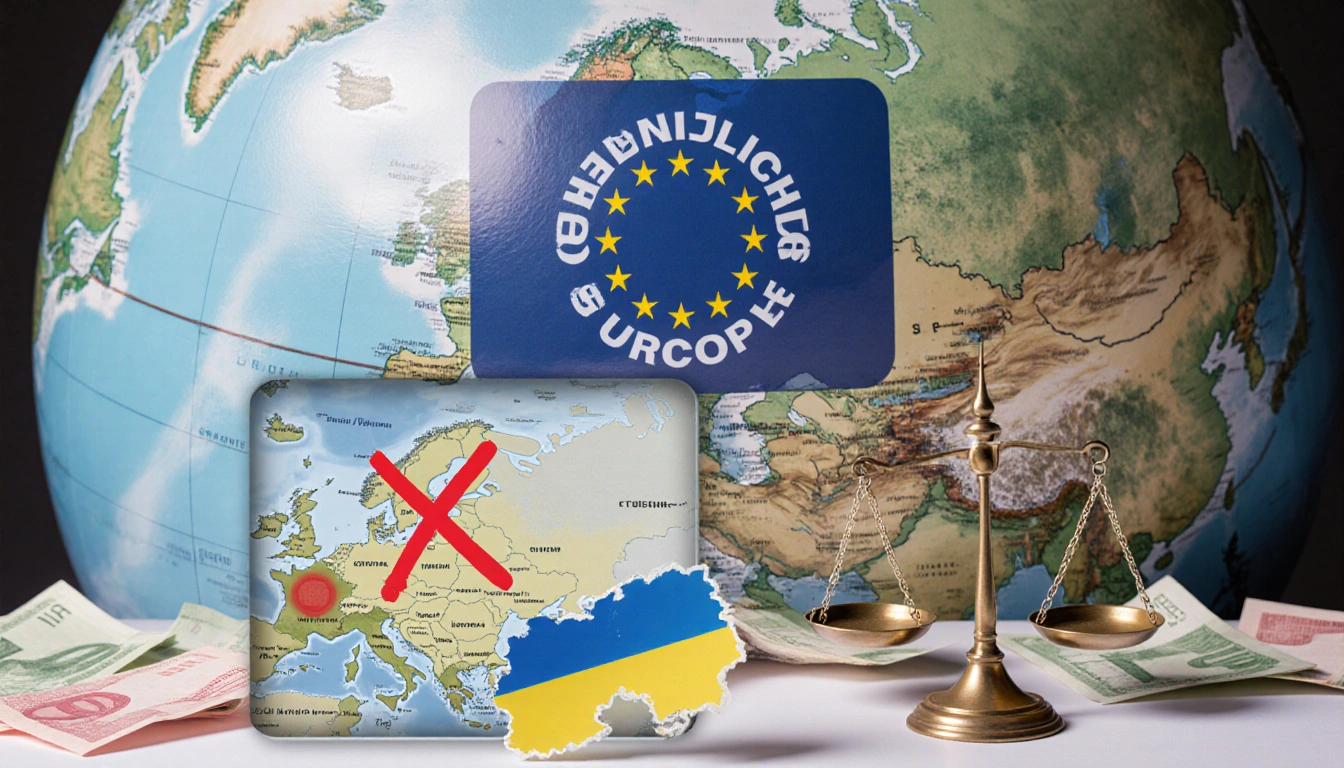
Many of the same countries that support the commission also back a new international court under the Council of Europe. This court would prosecute senior Russian officials for the full-scale invasion of Ukraine, extending the legal pursuit beyond compensation.
Key Takeaways and Closing
Key takeaways include the formal approval of a compensation mechanism, the ongoing debate over Russia’s payment obligations, and the EU’s initial financial commitment. While the commission’s future depends on ratification and funding, the agreement marks a significant step toward holding Russia accountable for the war’s damages. The international community now faces the challenge of translating this agreement into concrete reparations.