At a Glance
- US forces captured Venezuelan leader Nicolás Maduro.
- Trump vows US control and plans to rebuild Venezuela’s oil infrastructure.
- Opposition leader María Corina Machado calls for Edmundo González Urrutia to assume the presidency.
- Why it matters: The capture shifts power in Venezuela and signals a new US strategy in Latin America.
US forces launched a covert offensive early Saturday, seizing Nicolás Maduro and his wife. President Donald Trump announced the operation at Mar-a-Lago, outlining a plan to govern Venezuela until a ‘safe, proper, and judicious transition’ and to rebuild its oil industry. Opposition voices have responded with demands for a legitimate leadership change.
Operation and Capture
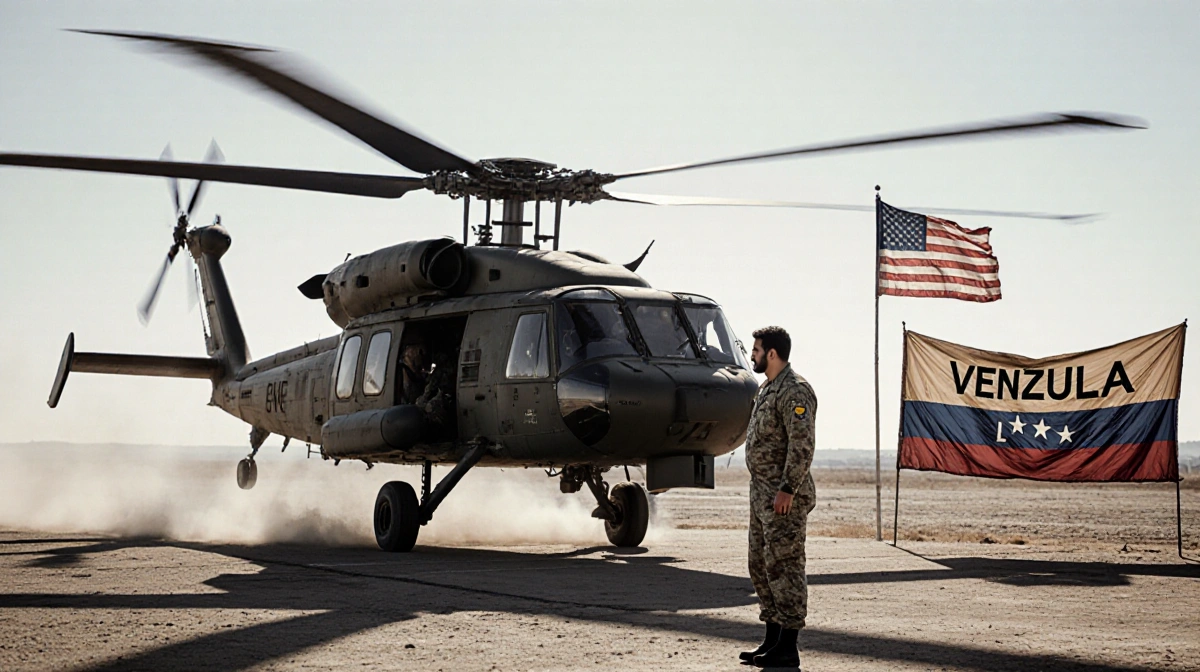
The mission, dubbed Operation Absolute Resolve, deployed more than 150 aircraft from 20 land and sea bases. The operation was described as discreet, precise, and conducted during the darkest hours of January 2. Maduro and his wife will face trial in the United States.
- 150 aircraft
- 20 bases
- Darkest hours of January 2
Trump’s Vision for Venezuela
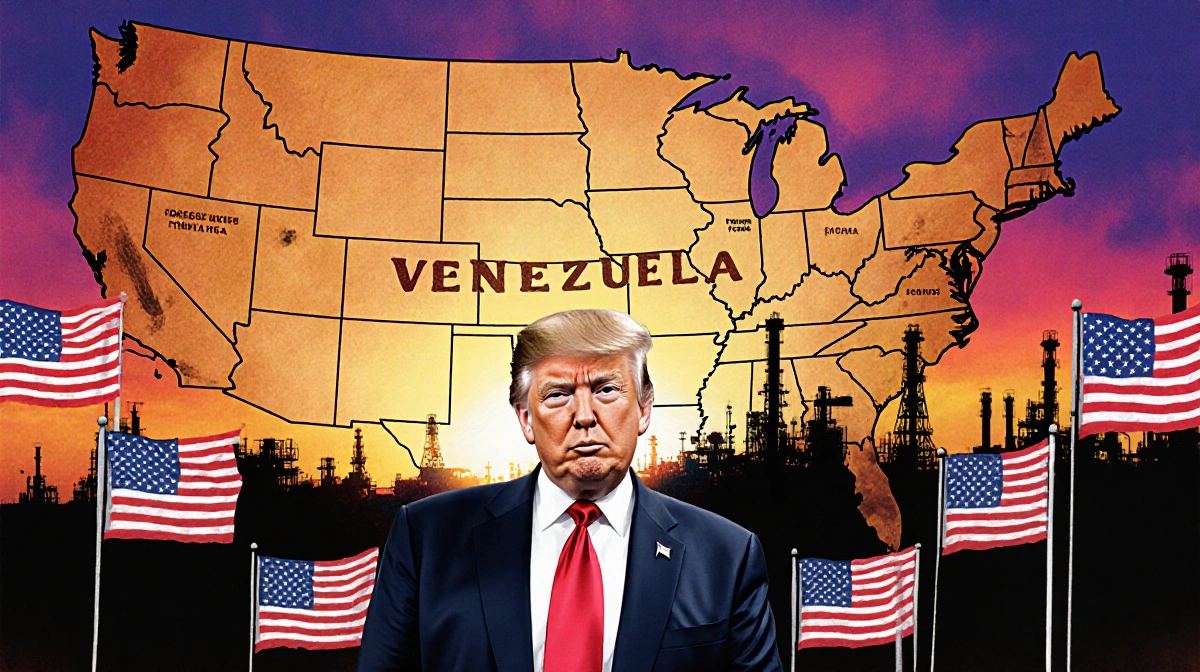
President Donald Trump said the United States would run the country until a proper transition. He also announced plans to invest billions in Venezuela’s oil infrastructure and to recover oil ‘stolen’ from the US. He referred to the new ‘Donroe Doctrine’ as a modern Monroe Doctrine.
President Donald Trump announced:
> ‘We are going to run the country until such time as we can do a safe, proper, and judicious transition.’
President Donald Trump added:
> ‘We will have our very large United States oil companies, the biggest anywhere in the world, spend billions of dollars, fix the badly broken infrastructure … and start making money for the country.’
President Donald Trump stated:
> ‘Maduro and his wife will be tried in the United States. He is the kingpin of a criminal network responsible for trafficking colossal amounts of deadly illicit drugs into the United States.’
Opposition Response
María Corina Machado, a Nobel Peace Prize laureate, issued a statement demanding that Edmundo González Urrutia assume the presidency and be recognized as commander in chief. González Urrutia reposted the statement, urging Venezuelans to prepare for national reconstruction.
María Corina Machado said:
> ‘This is the time of the citizens. Of those of us who risked everything for democracy on July 28, of those of us who elected Edmundo González Urrutia as the legitimate president of Venezuela, who must immediately assume his constitutional mandate and be recognized as Commander in Chief of the National Armed Forces by all the officers and soldiers who are part of it. Today we are prepared to enforce our mandate and take power.’
Edmundo González Urrutia added:
> ‘Venezuelans, these are decisive hours. Know that we are ready for the great operation of reconstruction of our nation.’
Strategic Implications
The capture marks a test of the Trump administration’s new security strategy, which aims to restore US preeminence in the Western Hemisphere and counter competitors like China and Russia. The strategy includes strengthening diplomatic ties, controlling migration, curbing drug trafficking, and expanding US military presence. Trump warned that the offensive could extend to Mexico, Colombia, and Brazil, citing cartel influence and drug flows.
| Metric | Before | After |
|---|---|---|
| Oil production | 3.5 million bpd (late 1990s) | 1 million bpd (current) |
| Proven reserves | >300 billion barrels | unchanged, extraction remains costly |
Key Takeaways
- Maduro’s capture signals a shift in Venezuelan governance and a new US strategy in Latin America.
- Trump plans to rebuild Venezuela’s oil sector and prosecute Maduro in the US.
- Opposition leaders demand a transition to Edmundo González Urrutia, while the US signals potential military expansion in the region.
The operation underscores the United States’ intent to reshape power dynamics in the hemisphere, with Venezuela as the first laboratory for its new doctrine.