At a Glance
- $2 billion U.S. pledge to UN humanitarian aid announced Monday
- U.S. foreign assistance cuts force UN agencies to “adapt, shrink or die”
- 17 countries earmarked for initial funding, including Bangladesh and Ukraine
- Why it matters: The move reshapes global aid flows and tests the UN’s capacity to respond to crises
On Monday in Geneva, the United States revealed a $2 billion pledge for United Nations humanitarian programmes, a stark contrast to the multi-billion cuts the Trump administration has been making to foreign aid. The announcement comes amid a broader push to trim UN spending and shift responsibility to other developed nations.
US Pledges $2 B to UN Amid Aid Cuts
Secretary of State Marco Rubio explained that the new model would share the burden of UN humanitarian work with other developed countries and demand that the UN cut bloat, remove duplication, and commit to stronger impact, accountability, and oversight.
Marco Rubio said:
> “This new model will better share the burden of U.N. humanitarian work with other developed countries and will require the U.N. to cut bloat, remove duplication, and commit to powerful new impact, accountability and oversight mechanisms.”
The pledge creates an umbrella fund from which money will be distributed to agencies and priorities, a key demand for drastic changes that has alarmed many humanitarian workers and led to sharp reductions in programs and services.
- $2 billion is a sliver of the past $17 billion annual U.N.-coordinated aid
- Only $8-10 billion of that was voluntary contributions
- The U.S. also pays billions in annual dues for its U.N. membership
Impact on UN Agencies and Global Aid Landscape
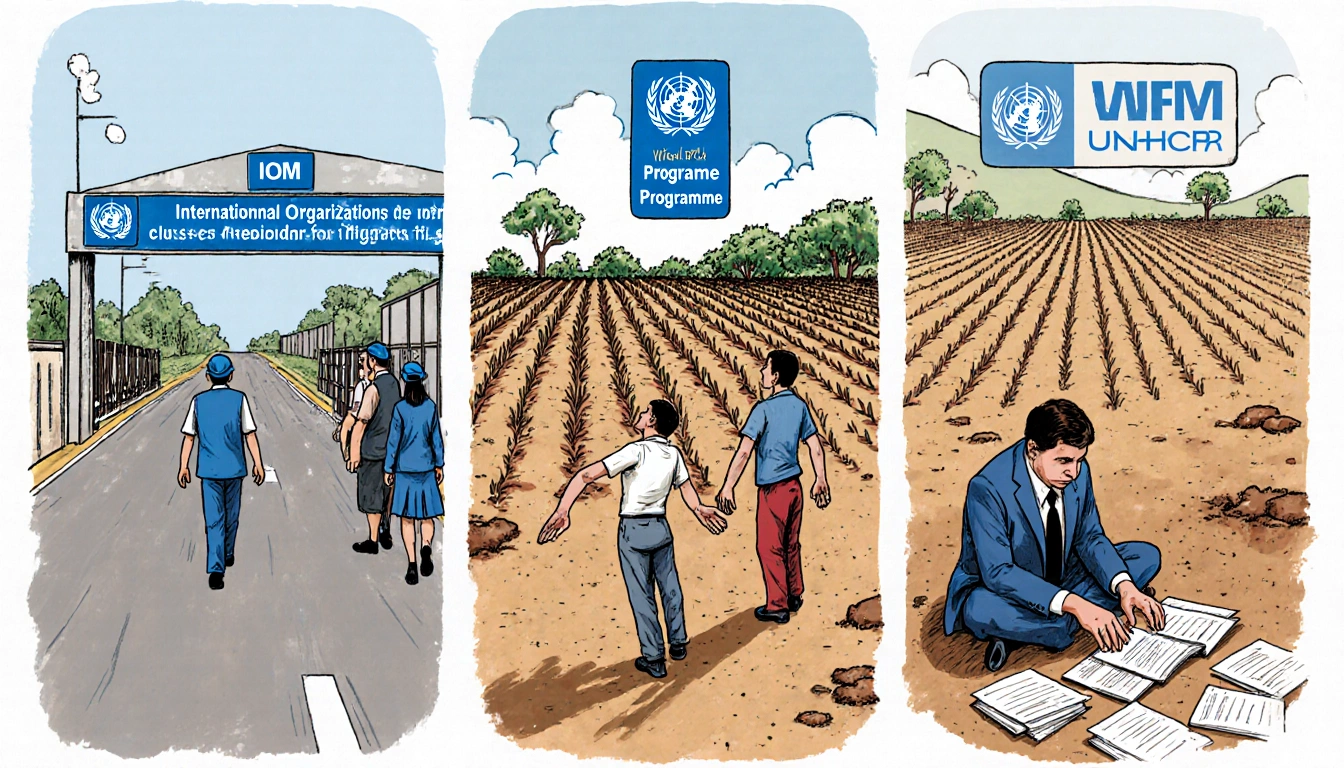
The cuts have forced UN agencies like the International Organization for Migration, the World Food Programme and UNHCR to slash spending, projects and jobs. Meanwhile, famine has been recorded in Sudan and Gaza, and floods and droughts linked to climate change have displaced thousands.
| Metric | Past (2023) | Current (2025) |
|---|---|---|
| Total U.N. aid | $17 billion | $2 billion |
| Voluntary contributions | $8-10 billion | $0-$2 billion |
| U.N. membership dues | Billions | Billions |
Tom Fletcher, director of the U.N. Office for the Coordination of Humanitarian Affairs, welcomed the deal as a “very significant landmark contribution” and said the focus should be on saving millions of lives. U.S. Ambassador Mike Waltz highlighted that the reset aims to deliver more aid with fewer dollars.
Tom Fletcher said:
> “It’s a very, very significant landmark contribution. And a month ago, I would have anticipated the number would have been zero…”
Mike Waltz said:
> “This humanitarian reset at the United Nations should deliver more aid with fewer tax dollars-providing more focused, results-driven assistance aligned with U.S. foreign policy.”
Antonio Guterres said:
> “Every dollar counts.”
Jeremy Lewin said:
> “No one wants to be an aid recipient. No one wants to be living in a UNHCR camp because they’ve been displaced by conflict…”
Key countries targeted:
- Bangladesh
- Democratic Republic of the Congo
- Haiti
- Syria
- Ukraine
Key Takeaways
- The U.S. pledge is a drastic cut from previous $17 billion aid levels.
- UN agencies must adapt, shrink, or face shutdowns.
- 17 countries will receive the initial $2 billion, while Afghanistan and Yemen are excluded.
The announcement underscores how the U.S. is reshaping global humanitarian aid, forcing UN agencies to rethink funding and focus in a world of growing crises.