At a Glance
> At a Glance
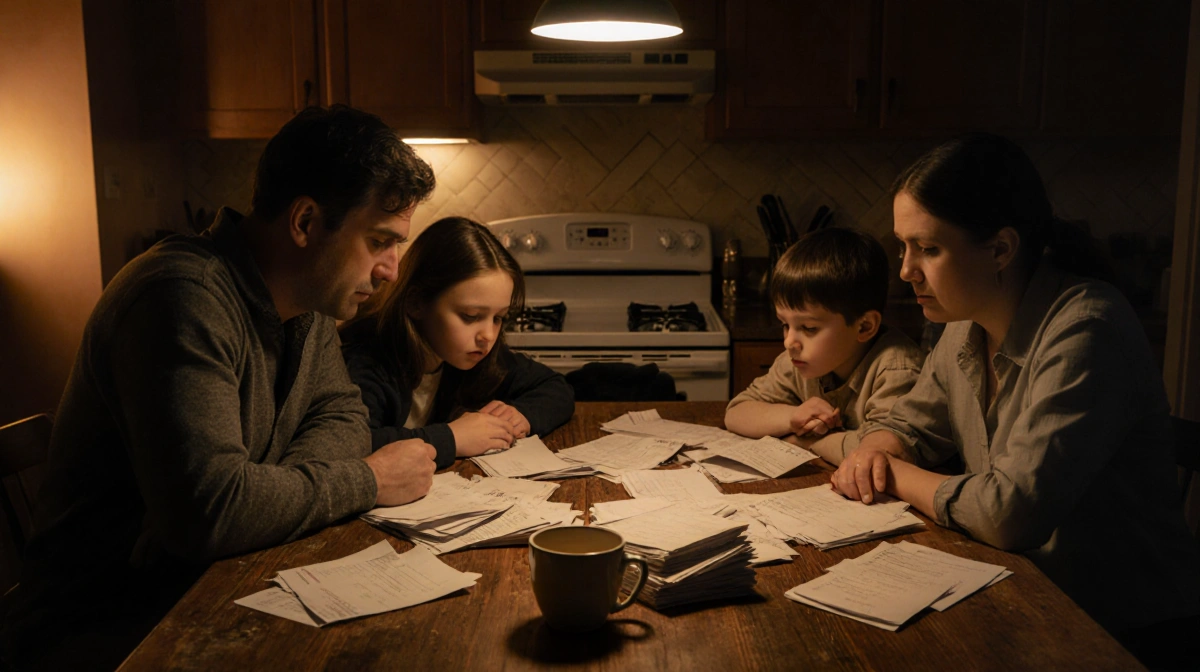
> – 68% of adults say economic conditions are getting worse, 29% think they’re improving.
> – Inflation has cooled, stock indexes near record highs, gas prices at their lowest in years.
> – Yet job market cooling, rising bills, and a housing market out of reach keep many families worse off.
> – Why it matters: The gap shows how headline growth can mask everyday hardship.
Despite headline signs of a robust economy, a Gallup survey reveals that most Americans feel conditions are worsening. The contrast between falling inflation and rising living costs underscores a deeper divide.
K-Shaped Economy
The economy has split into two diverging paths. The top 10% of households now control almost half of all consumer spending, while wages grow fastest for high earners and slowest for low-paid workers. This divide is known as a K-shaped economy.
Corporate leaders echo the trend. Chris Kempczinski said:
> “We are seeing a two-tier economy, and middle-income consumers are under a lot of pressure.”
Coca-Cola saw stronger sales from higher-income customers buying premium brands.
The car market mirrors the split. Luxury buyers helped push the average new-car price above $50,000 for the first time, while the $20,000 segment is largely gone. Erin Keating said:
> “The $20,000-vehicle is now mostly extinct, and many price-conscious buyers are sidelined or cruising in the used vehicle market.”
- Top 10% spend nearly 50% of consumer dollars
- Wealth added $40 trillion to households since 2020
- Average new-car price > $50,000; $20,000 cars extinct
Job Market Cooling
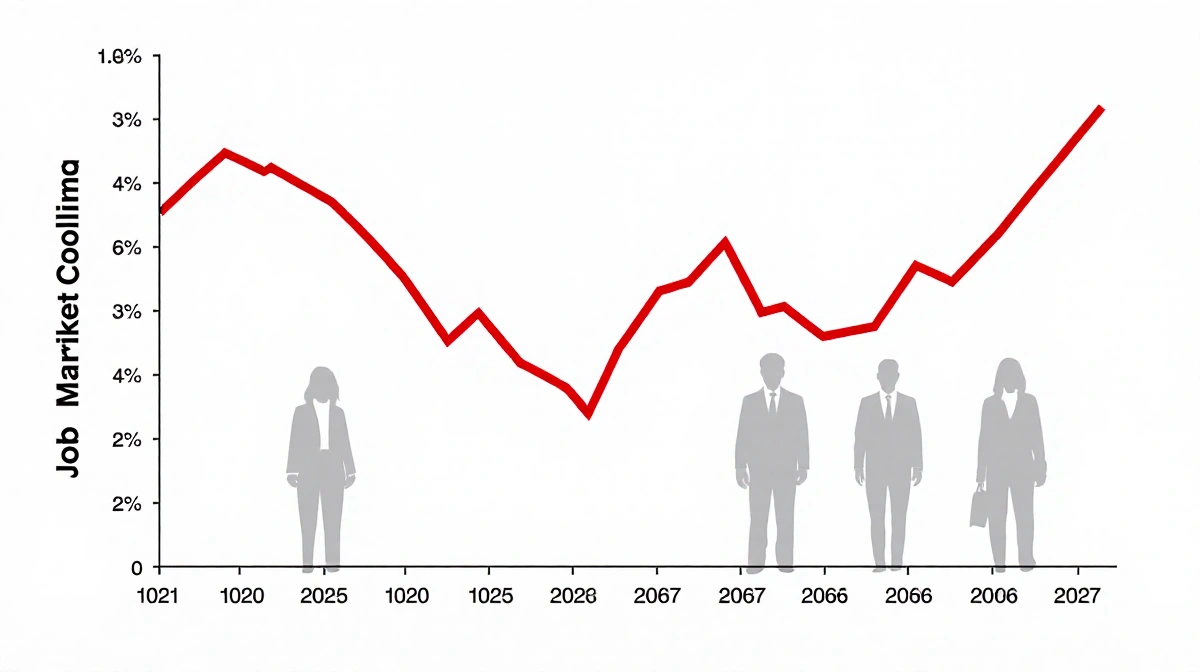
Unemployment rose to 4.6% in November, the highest since 2021. Hiring slowed sharply in 2025, with health care accounting for nearly half of all job growth as of August.
Other sectors saw declines: manufacturing, professional services, and tech postings fell. A “low-hire, low-fire” environment has cushioned the slowdown so far.
Job cuts have surged. Employers announced more than 1.1 million cuts through November, up 54% from the same period last year. Amazon, Target, and Verizon trimmed white-collar roles.
- 4.6% unemployment
- Health care: ~50% of job growth
- 1.1 million cuts, 54% rise
Everyday Essentials Cost More
Inflation isn’t accelerating, but costs have reset higher. Grocery prices rose 1.9% in November, with coffee up 19% and beef/veal up 15%.
Electricity bills climbed nearly 7% over the past year, and close to 30% over four years, due to data center demand, grid upgrades, and rising natural gas.
At least 210 utilities have raised or proposed rate increases for the next two years. Gas prices are now below $2.90 per gallon, the cheapest December since 2020.
- Grocery +1.9%; coffee +19%; beef/veal +15%
- Electricity +7% yearly, +30% over 4 years
- 210 utilities raising rates
Homeownership Out of Reach
The median age of first-time buyers is now 40, up from 33 in 2021. Baby boomers (60-78) account for 42% of all homebuyers, the largest share of any generation.
All-cash purchases hit an all-time high, giving wealthier buyers an edge. Mortgage rates stayed above 6% and prices remained high, keeping many out of the market.
Sellers pulled homes off the market in response to low offers, driving delistings. Asad Khan said:
> “Buyers still expect sky-high prices, and sellers are hesitant to negotiate.”
- Median first-time buyer age: 40
- Boomers: 42% of buyers
- Mortgage rates >6%; all-cash purchases record high
Key Takeaways
- The economy’s K-shape widens the gap between the rich and the rest.
- Job growth slows while layoffs surge, especially outside health care.
- Rising living costs, especially energy and food, strain households.
- Housing affordability remains a major hurdle for younger buyers.
The contrast between headline growth and everyday hardship signals a fragile economy where many Americans feel the squeeze.