
A team of scientists at the University of Texas at Austin has announced a breakthrough that could change how doctors fight a common but dangerous virus, human cytomegalovirus (HCMV).
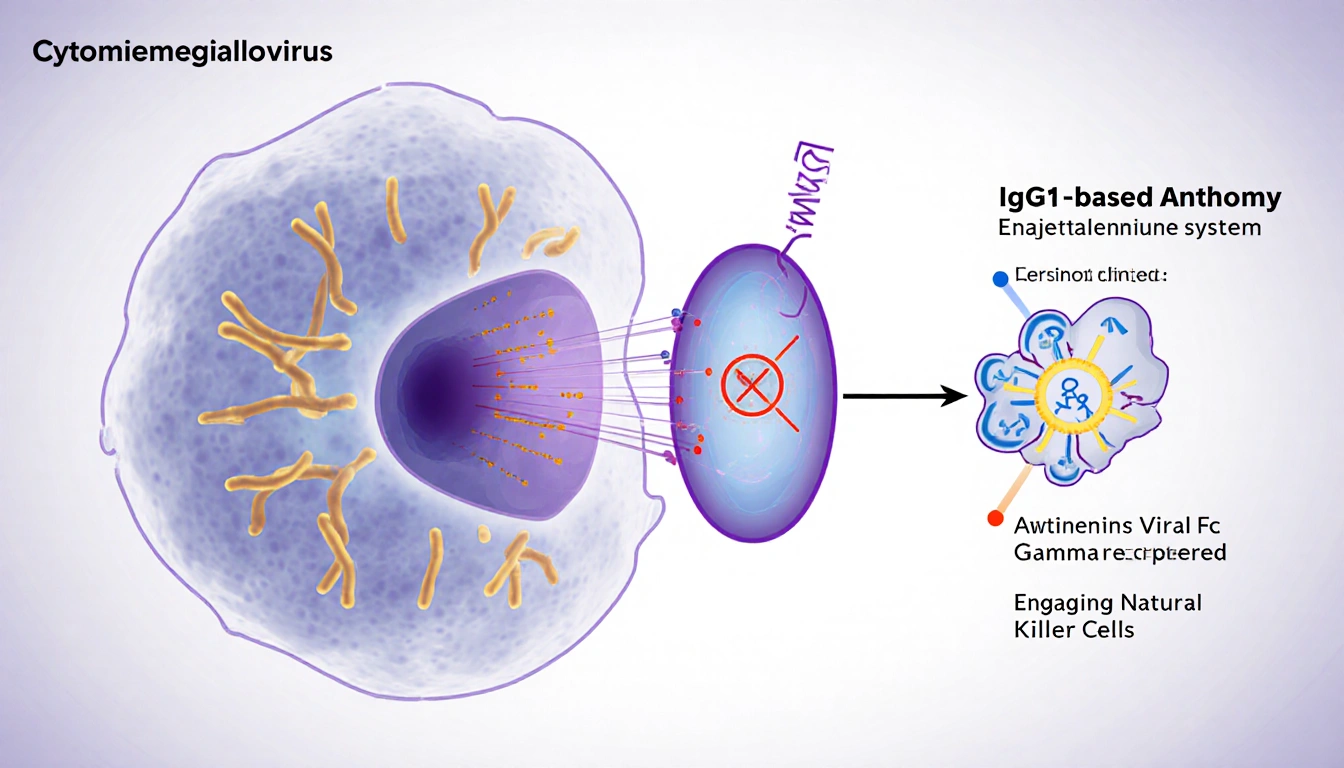
The new antibody, developed through Texas Biologics, is designed to evade the virus’s immune-system tricks and neutralize its ability to spread between cells.
The press release from Texas Biologics described HCMV as a “common but overlooked virus that poses serious risks to vulnerable populations, including people with compromised immune systems.”
According to the Centers for Disease Control and Prevention, the virus is the most infectious cause of birth defects in the United States.
A healthy immune system usually keeps the virus from causing illness, but for organ transplant recipients, cancer patients and newborns it can be hard to treat because it can “evade the immune system.” The team’s new antibody with a modified structure can outsmart the virus and neutralize that evasion.
Jennifer Maynard, a professor in the Cockrell School of Engineering’s McKetta Department of Chemical Engineering and one of the lead authors on the new research published in Cell, said, “Our engineered antibodies are like a lock that the virus can’t pick. They retain their ability to activate the immune system but are no longer vulnerable to the virus’s tricks.”
HCMV is widespread, with global infection rates above 80% according to estimates from the National Library of Medicine. The virus spreads from person to person through body fluids and, like all herpesviruses, remains in the body for life after infection.
Ahlam N. Qerqez, lead author of the study and a former doctoral student in Maynard’s lab, explained, “It’s like a tug-of-war between the virus and the immune system. The virus has evolved clever strategies to pull antibodies away from their intended targets, making it harder for the immune system to do its job.”
In laboratory experiments, the modified antibody prevented the virus from spreading between cells, a key feature of HCMV that makes it difficult to control. The release noted that the antibodies “significantly reduced viral dissemination in infected cell cultures, showing the ability to slow the spread of the virus.”
Jason McLellan, a professor in the College of Natural Sciences’ Department of Molecular Biosciences at UT and co-author of the paper, added, “This work represents a paradigm shift in how we think about antiviral therapies. Instead of just trying to neutralize the virus, we’re focusing on empowering the immune system to clear infected cells. It’s a more holistic approach that could lead to better patient outcomes.”
The engineered antibodies were designed to avoid HCMV’s viral Fc gamma receptors (vFcγRs), proteins that bind to antibodies and prevent them from activating natural killer (NK) cells. By altering the IgG1 regions that the virus targets, the researchers created antibodies that still activate NK cells but are no longer hijacked by the virus.
Texas Biologics noted that the antibody-engineering techniques could be applied to other viruses that use similar immune-evasion strategies, such as other herpesviruses and certain bacterial infections. The findings also underscore the importance of targeting infected cells rather than the virus itself.
The engineered proteins will require several more rounds of testing before they can be used in clinical settings. The team is also investigating combining their approach with other therapies, such as antiviral drugs or vaccines, to create a comprehensive treatment strategy.
Key Takeaways
- A new IgG1-based antibody can block HCMV’s evasion of the immune system and reduce cell-to-cell spread.
- The design avoids viral Fc gamma receptors while still engaging natural killer cells.
- The approach may extend to other herpesviruses and bacteria that employ similar immune-evasion tactics.
The discovery represents a potential paradigm shift in antiviral therapy, moving from direct viral neutralization to empowering the immune system to clear infected cells. Further testing will determine whether this strategy can translate into safer, more effective treatments for vulnerable patients.