At a Glance
- Valve’s Steam Machine will launch early this year with a still-unknown price point
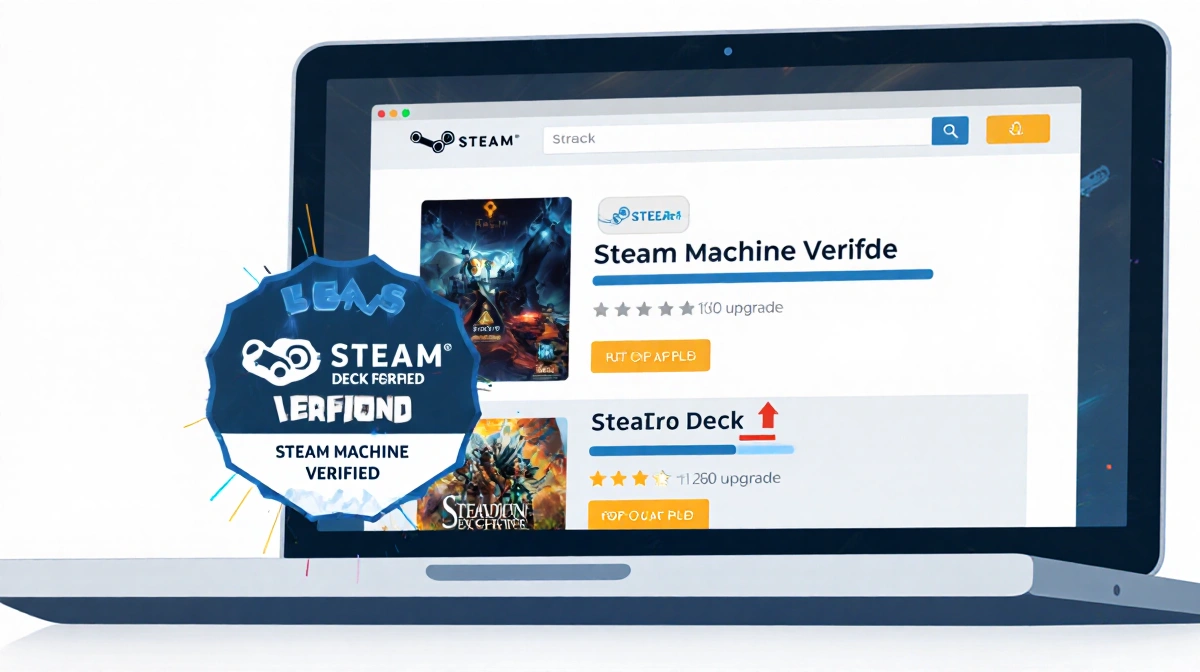
- Existing Steam Deck Verified games will automatically earn Steam Machine Verified status
- The device runs SteamOS on a fixed, semi-custom AMD chip, limiting future CPU upgrades
- Why it matters: It promises PC-level openness with console-level convenience, potentially reshaping how gamers buy and play titles
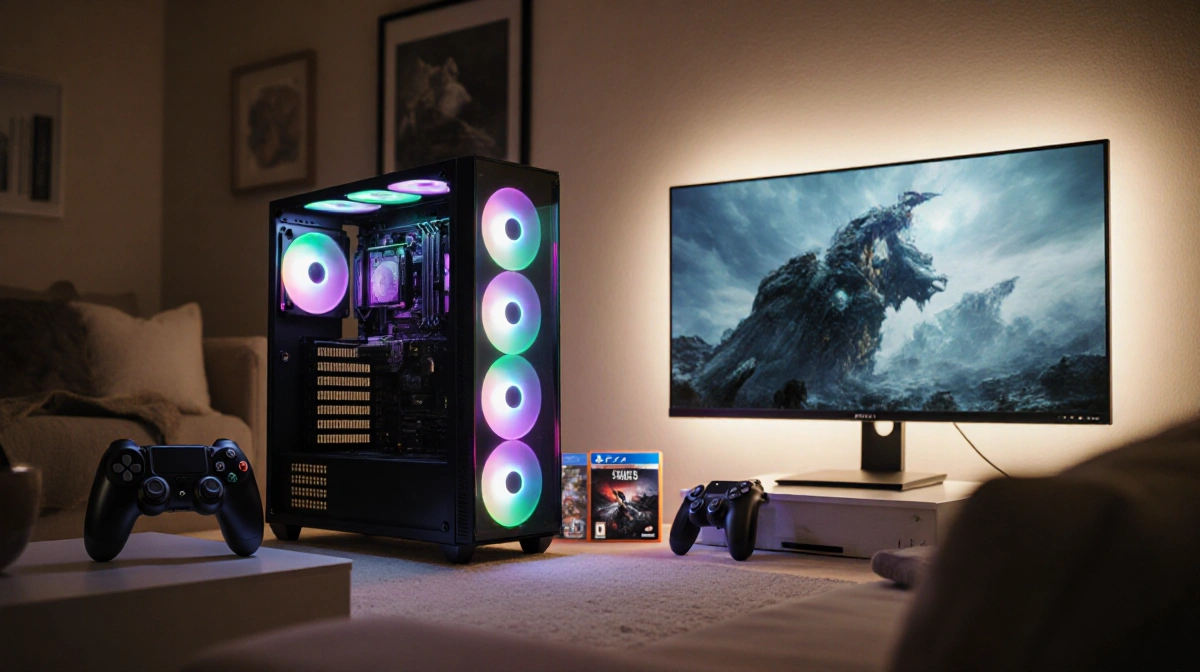
Valve’s long-teased Steam Machine is poised to hit shelves in the coming months, offering a hybrid that splits the difference between locked-down consoles and open-ended Windows PCs. The Linux-based box aims to lure console players with plug-and-play simplicity while giving PC gamers living-room comfort-all without the walled-garden restrictions of Xbox, PlayStation, or Nintendo.
The Hardware Reality Check
The machine is a PC under the hood, yet owners will not be swapping out the CPU. The processor is a fixed, semi-custom AMD part soldered to the board; only RAM and storage can be upgraded. That limitation mirrors consoles, but Valve hopes the trade-off pays off in optimization. Developers can target a single, stable spec set, much like they do for PlayStation 5 or Xbox Series X.
4K output is promised, though it will lean on upscaling rather than native ultra-high-definition rendering. Pricing remains a mystery, and current component costs suggest the unit may not be cheap.
Verified Badge Carryover
Valve designer Lawrence Yang told Game Developer that studios will not need to re-apply for compatibility approval. Any title already marked Steam Deck Verified will automatically display the Steam Machine Verified badge on the storefront. The certification guarantees the game launches, runs at an acceptable frame rate, and supports the Steam Controller.
The forthcoming Steam Frame, an ARM-based device that uses translation layers to run x86 games, faces a steeper path. Its games must pass extra testing rounds before receiving Steam Frame Verified status, Yang confirmed.
Why Developers Care
Games sporting a Verified sticker earn prime real estate on the Steam store, similar to how Steam Deck titles currently enjoy a dedicated carousel. The incentive keeps publishers from ignoring the hardware, even as they continue to target standard Windows PCs. Valve’s Proton compatibility layer already handles most single-player titles; anti-cheat systems remain the largest hurdle.
Because the storefront is open, studios do not need to negotiate bespoke deals or pay certification fees beyond the standard 30 percent revenue cut Valve takes on every sale.
Console Comparison Table
| Feature | Steam Machine | PS5 / Xbox | Nintendo Switch 2 |
|---|---|---|---|
| CPU/GPU Upgrades | RAM/Storage only | None | None |
| Operating System | SteamOS (Linux) | Proprietary | Nvidia ARM-based |
| Verified Badge Program | Yes | Yes | Yes |
| Open Storefront | Yes | No | No |
| Expected 2025 Shipments | Unknown | Millions | 19 million (forecast) |
Beyond the Living Room
Valve positions the box as a full PC when plugged into a monitor. Users can exit the console interface and install Epic Games, retro emulators, or other Linux-compatible software. Community plug-ins such as Junkstore integrate additional launchers directly into SteamOS, eliminating the need to dual-boot Windows.
The redesigned Steam Controller ships with a wireless puck that doubles as a charging dock. Yang said the puck avoids Bluetooth congestion, a subtle nod to the multiple radio signals already present in a typical entertainment center.
Market Context
IDC data reviewed by The Verge labels the Steam Deck the best-selling handheld PC, with an estimated four million units moved since 2022. Nintendo, by contrast, expects to ship 19 million Switch 2 consoles by March 2025. Sony’s PlayStation Portal, a cloud-streaming device, recently achieved a 5 percent attachment rate among U.S. PS5 owners, according to Circana analyst Mat Piscatella.
Valve’s hardware division remains dwarfed by these figures, yet executives have repeatedly said mass-market dominance is not the goal. The company profits when players buy games on Steam, regardless of the hardware used. A wider range of approachable devices simply funnels more customers-and that steady 30 percent cut-into Valve’s storefront.
Copycats on the Horizon
Manufacturers already sell high-priced mini PCs capable of running SteamOS. The Minisforum AtomMan G1 Pro, for example, packs an Nvidia RTX 5060 or a compact Radeon GPU and sells for roughly $1,800. Sources told News Of Austin that Lenovo and other OEMs are exploring Linux-based console-PC hybrids, encouraged by Valve’s open-source approach.
Microsoft’s next Xbox is rumored to embrace a similar strategy, though it will rely on Windows rather than SteamOS. If the category gains traction, consumers could see a proliferation of small-form-factor gaming systems that blur the line between console and computer.
Key Takeaways
- The Steam Machine launches soon with a fixed AMD chip, limiting future CPU upgrades but simplifying development
- Existing Steam Deck Verified games automatically earn Steam Machine Verified status, ensuring a day-one library
- Valve’s open storefront contrasts sharply with Xbox, PlayStation, and Nintendo ecosystems
- The device doubles as a Linux PC, supporting rival launchers and community plug-ins
- Valve doesn’t need massive unit sales; it profits from every game sold on Steam, whatever the hardware