At a Glance
- Maduro captured by U.S. forces, sparking celebration among Venezuelan exiles in Doral.
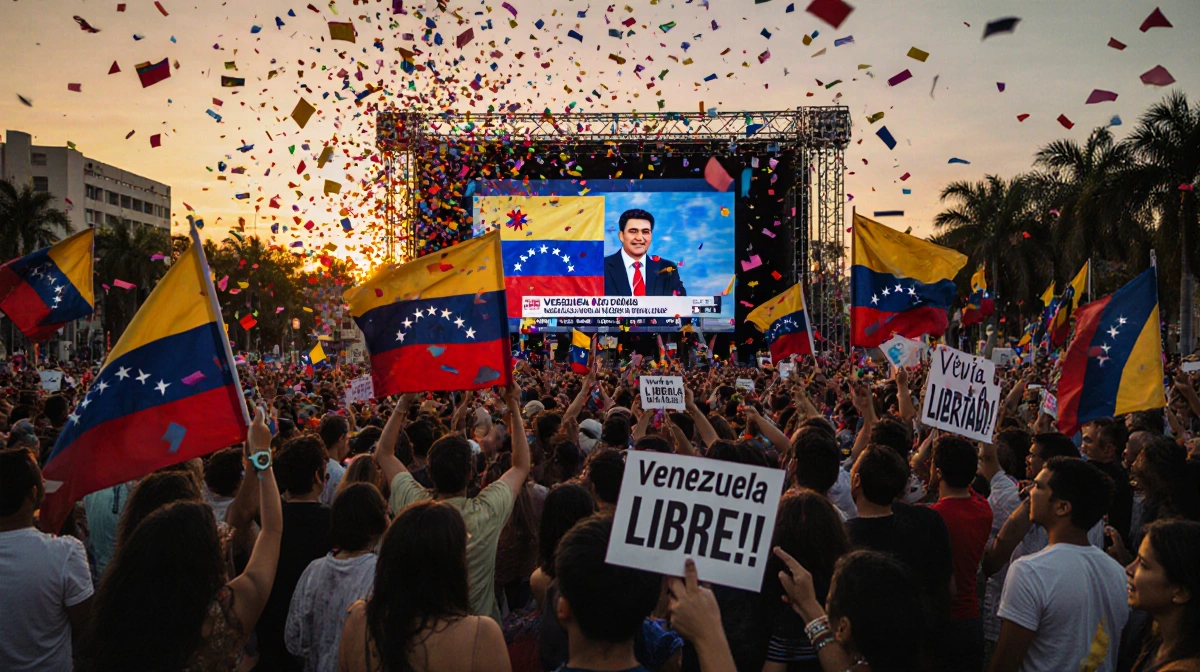
- Thousands of diaspora members chant “Liberty!” and wave Venezuelan flags.
- Many hope to reunite with family and look forward to a new start for Venezuela.
- Why it matters: The event signals a possible shift in Venezuela’s political future and affects the lives of millions in exile.
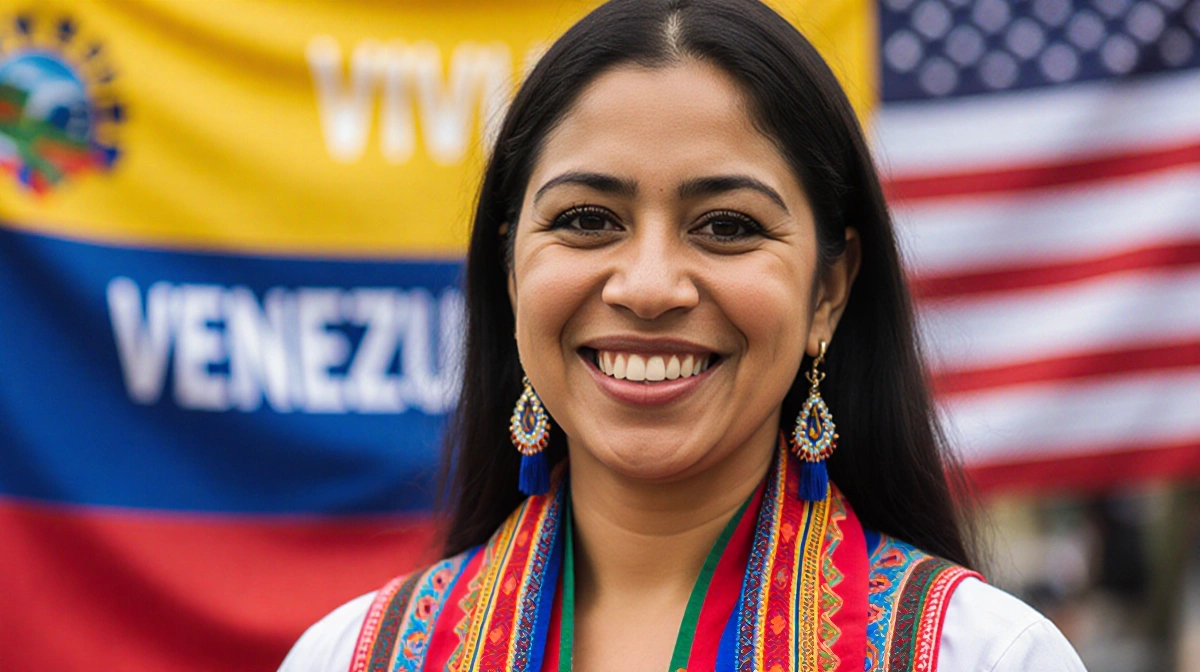
In Doral, a Miami suburb, Venezuelan exiles gathered on Saturday to celebrate the U.S. military operation that captured Nicolás Maduro and sent him out of the country. The rally, held outside El Arepazo restaurant, was marked by chants of “Liberty!” and the display of Venezuelan flags.
Celebration in Doral
The crowd, which included long-time residents and recent arrivals, chanted “Liberty! Liberty! Liberty!” while holding a cardboard sign that read “Libertad.” The event drew hundreds, and food vendors prepared for the surge in attendance.
Reactions from Exiles
Alejandra Arrieta said:
> “We’re like everybody – it’s a combination of feelings, of course,” said Alejandra Arrieta, who came to the U.S. in 1997. “There’s fears. There’s excitement. There’s so many years that we’ve been waiting for this. Something had to happen in Venezuela. We all need the freedom.”
David Nuñez said:
> “The most important thing is that we’re going to be able to be with our families soon,” Nuñez said. “At least for me, I haven’t seen my daughters in six years so I have a lot of mixed feelings. I’ve cried a lot. I’m really happy because I know that I’m going to be able to return to Venezuela very soon.”
Alexa Perez said:
> “Thanks, President Trump. This is our second liberty. This our independence day from today on,” Perez said.
Aldo Amenta said:
> “We’re really happy and excited that the doors are open for Venezuela, for all of our people who deserve a chance,” Amenta said.
Niurka Meléndez said:
> “For us, it’s just the start of the justice we need to see,” Meléndez said in a phone interview.
> “Now there’s a need for international humanitarian support to help in Venezuela’s recovery.”
> “Removing an authoritarian system responsible for these crimes creates the possibility, not a guarantee, but a possibility, for recovery.”
> “A future without criminal control over institutions is the minimum condition for rebuilding a country based on justice, rule of law, and democratic safeguards.”
Trump’s Role
President Donald Trump announced that the U.S. government would be running Venezuela at least temporarily. The statement followed a press conference about the operation, and Trump reiterated that the U.S. was already managing the country.
Diaspora Context
Since 2014, about 8 million Venezuelans have fled the country, first to neighboring Latin American and Caribbean nations and later to the United States. In South Florida, many have settled in Doral, where the community grew from upper-middle-class professionals to lower-income service workers.
- Doctors, lawyers, beauticians, construction workers, and house cleaners
- Some are naturalized U.S. citizens or live in the country illegally with U.S.-born children
- Others overstay tourist visas, seek asylum, or hold temporary status
Key Takeaways
- Maduro’s capture has sparked hope among exiles but leaves questions about Venezuela’s future
- The U.S. claims to be temporarily governing the country, signaling a potential shift in political control
- The diaspora’s diverse composition underscores the broad impact of Venezuela’s crisis on U.S. communities
The capture of Maduro has sparked hope among exiles, but questions remain about the next steps for Venezuela and the future of its people.