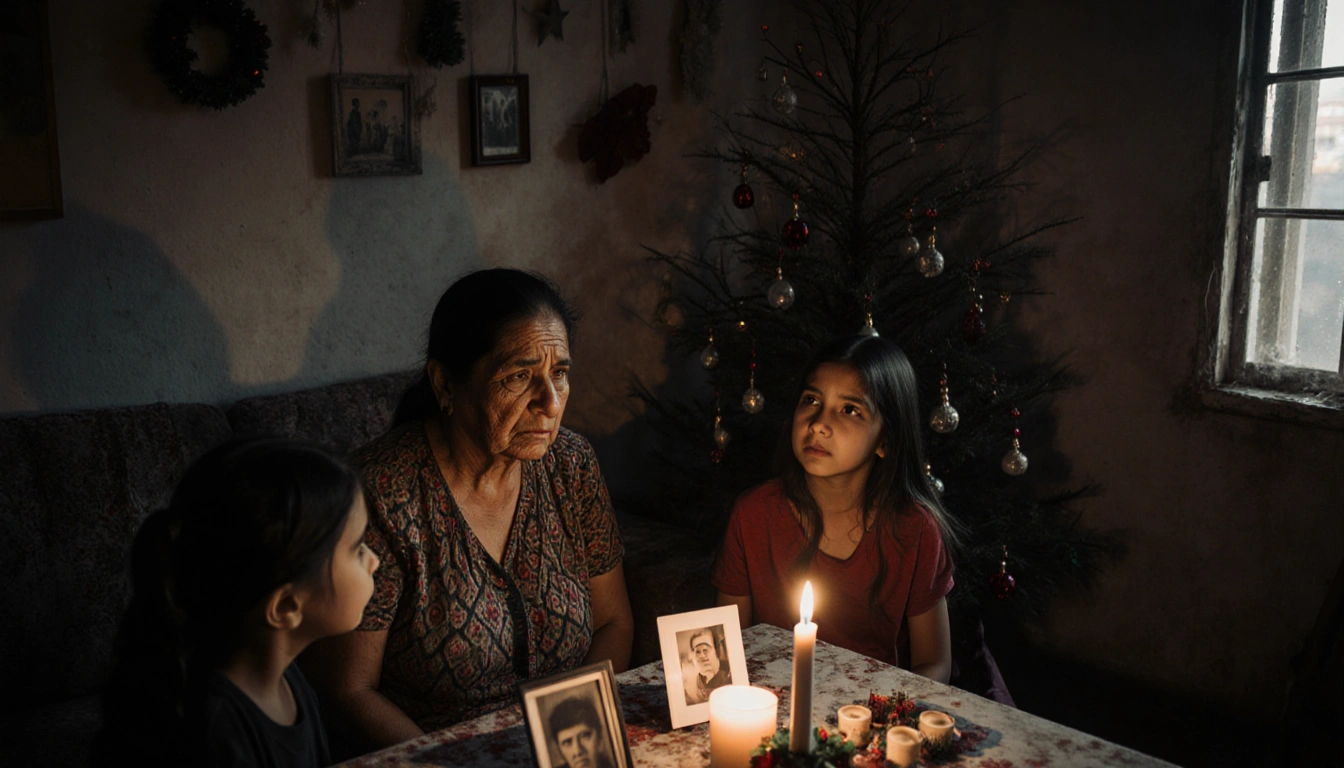
After Donald Trump’s return to the White House in January, Venezuelan migrants faced a new wave of deportations and a harsh reality back home.
Mariela Gómez’s Journey
Mariela Gómez, a mother of two, left Venezuela eight years ago to seek a better life in the United States. She and her family crossed the U.S.-Mexico border into Texas, where they were quickly apprehended by U.S. Border Patrol as part of the Trump administration’s intensified immigration crackdown. The family was deported to Mexico and began a perilous journey back to Venezuela.
They travelled through Central America by bus until reaching Panama. From there, the family could not afford the more expensive boat route across the Caribbean to Colombia. Instead, they chose a cheaper Pacific route, riding atop gasoline tanks on a cargo boat for several hours before transferring to a fast boat that landed them in a jungle area of Colombia. They stayed there for about two weeks before receiving wire transfers that allowed them to cross into Venezuela.
Return to Maracay
On October 27, the family arrived in Maracay, the capital of Aragua state. It was Mariela’s first time back in northern Venezuela in eight years. She described the holiday as “not the Christmas I imagined a year ago,” and she had to adapt to the modest conditions that now surrounded her.
“We had a modest dinner, not quite what we’d hoped for, but at least we had food on the table,” Gómez said. She shared a lasagna-like dish with her partner and in-laws instead of the traditional hallacas that are normally prepared for Christmas. “Making hallacas here is a bit expensive, and since we’re unemployed, we couldn’t afford to make them,” she added.
Numbers Behind the Return
The return of Venezuelan migrants has accelerated in recent months. According to figures from Colombia, Panama, and Costa Rica, more than 14,000 migrants-most from Venezuela-have come back to South America since Trump moved to limit migration to the U.S. In addition, Venezuelans have been steadily deported to their home country this year after President Nicolás Maduro, under pressure from the White House, abandoned his long-standing policy of not accepting deportees from the U.S.
Immigrants arrive regularly at the airport outside Caracas on flights operated by a U.S. government contractor or Venezuela’s state-owned airline. In 2024, more than 13,000 immigrants returned on these chartered flights.
Gómez’s family is one of the many that made the trip. She is among the more than 7.7 million Venezuelans who left the country in the last decade, when its economy collapsed after a drop in oil prices, corruption and mismanagement.
Family Reunion and Future Hopes
The return also allowed Mariela to see her 20-year-old daughter, whom she left behind during the country’s crisis. They shared a holiday, drinking beer together and knowing it might be the last time they share a drink for a while. The daughter will migrate to Brazil next month.
Gómez hopes to make hallacas for New Year’s Eve and to find employment. She says her prayers for next year are mostly for good health. “I ask God for many things, first and foremost life and health, so we can continue enjoying our family,” she said.
Key Takeaways
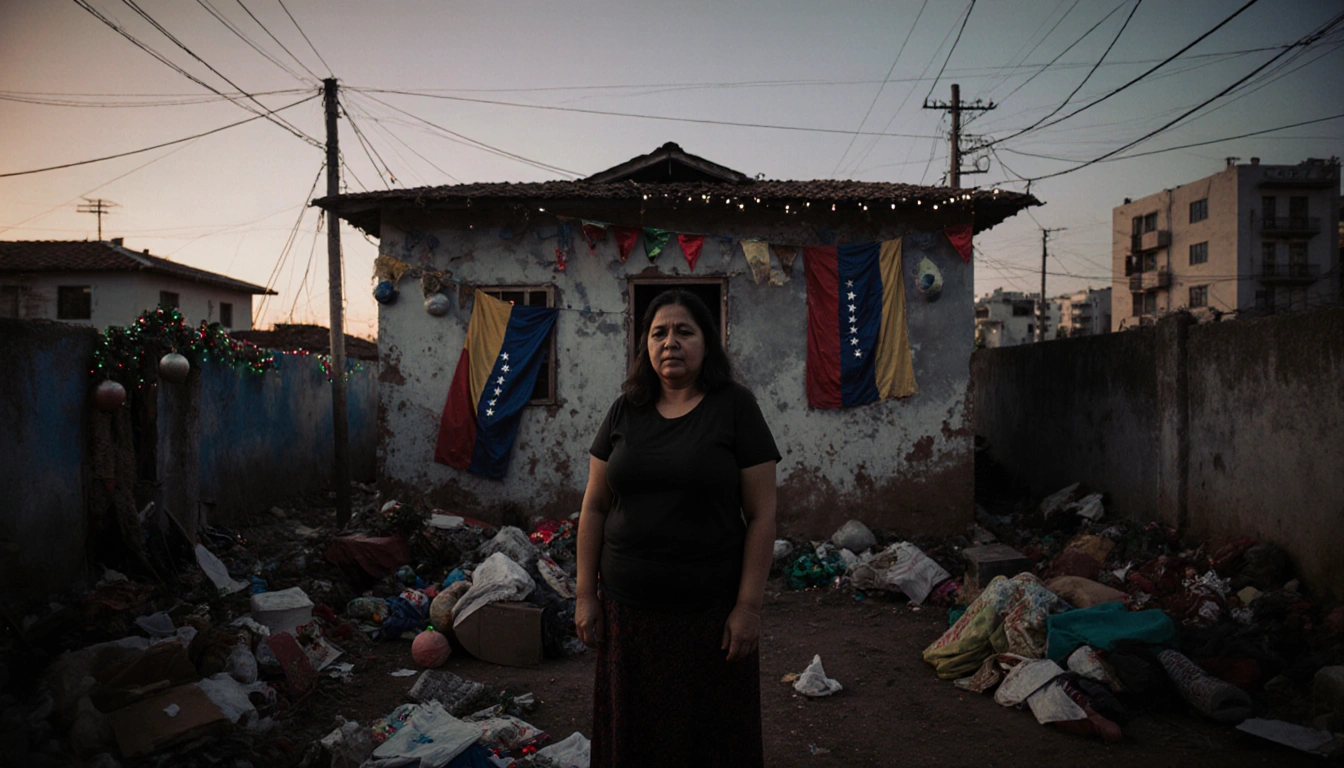
- The Trump administration’s immigration crackdown has led to a surge of Venezuelan deportations back to South America.
- Mariela Gómez returned to Maracay after an eight-year absence, facing unemployment and poverty.
- More than 14,000 Venezuelan migrants have returned to the region since the policy shift, with 13,000 arriving via chartered flights.
The story of Mariela Gómez illustrates the personal cost of policy changes and the ongoing struggle of Venezuelan migrants who dream of stability and a new life.