At a Glance
- Maduro deposed and captured during a nighttime U.S. military operation.
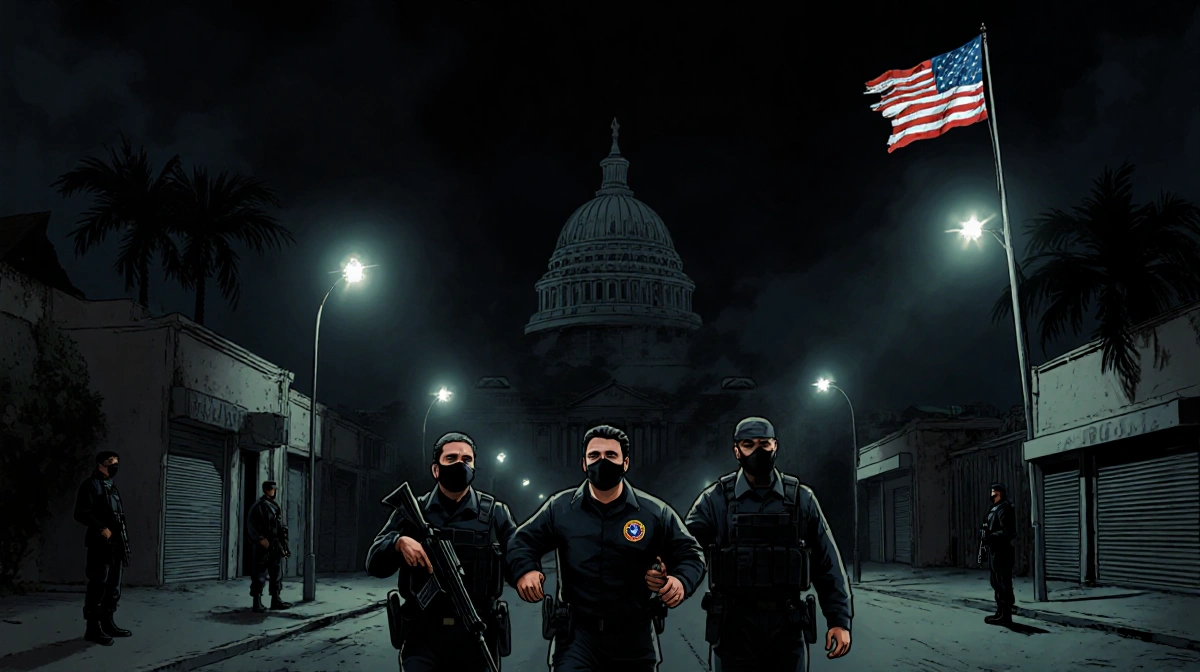
- Caracas sees quiet streets, closed businesses, and armed guards around the presidential palace.
- U.S. officials say control of Venezuela’s oil will drive policy changes, yet no U.S. forces are on the ground.
- Why it matters: The event marks a dramatic shift in Venezuela’s political landscape and highlights U.S. influence.
Caracas, Venezuela – The nation fell into an anxious silence after President Nicolás Maduro was removed from power and taken into custody by U.S. forces in a dramatic nighttime raid. The capital’s streets, usually bustling, were eerily quiet, with stores, restaurants and churches shuttered and armed civilians and military men standing guard outside the presidential palace.
Operation and Immediate Aftermath
The U.S. raid took place early Saturday night, a move that had no ready script. President Donald Trump had initially said the U.S. would “run” Venezuela until stability, a claim that Secretary of State Marco Rubio later retracted.
Marco Rubio stated:
> “We want to see Venezuela transition to a place completely different than what it looks like today. But obviously, we don’t have the expectation that’s going to happen in the next 15 hours.”
Vladimir Padrino López and the high military command declared that Maduro still remains the rightful leader, while Vice President Delcy Rodríguez has been ordered by the high court to assume the role of interim president.
- Maduro remains the legal head of state according to Venezuelan officials.
- Rodríguez is the interim president per court order.
- U.S. forces are not present on Venezuelan soil.
International Reactions
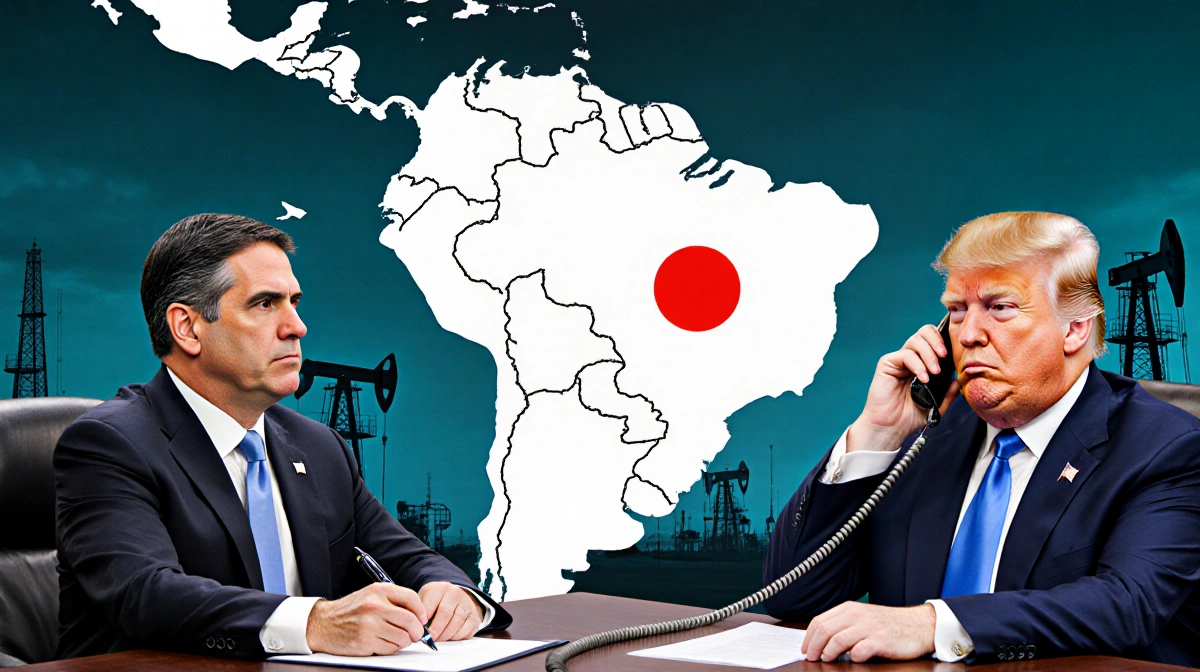
Trump’s early statement that the U.S. would “run” the country was quickly softened, but Rubio emphasized the use of Venezuela’s oil industry as leverage. The U.S. said it would not deploy ground troops, yet it left open the possibility of further strikes.
Marco Rubio added:
> “We will use control of Venezuela’s oil industry to force policy changes, and the government currently in place is illegitimate.”
Domestic Response
The public reaction was mixed. While some Venezuelans celebrated Maduro’s removal, others burned U.S. flags or displayed anti-U.S. slogans. Many felt it was safer to stay quiet, fearing repression.
Daniel Medalla said:
> “We were longing for it, but we did not dare celebrate out of fear of government repression.”
Nely Gutiérrez expressed sorrow and faith:
> “May God give us strength for what we are experiencing. I’m sad. He is a human being.”
Casualties and Civilian Impact
A U.S. strike on an air base and several passenger buses left a community devastated. Wilman González, whose 80-year-old aunt Rosa Elena González died in the blast, recounts the loss:
Wilman González:
> “This is it, what we are left with: ruins.”
Venezuelan officials say civilians and military personnel were killed, but no official toll has been released.
Key Takeaways
- Maduro was captured in a U.S. nighttime raid, shifting power dynamics.
- U.S. officials plan to leverage Venezuela’s oil to push policy changes.
- Venezuelans experience fear and uncertainty amid a quiet capital.
The capture of Maduro signals a new chapter in Venezuela’s turbulent history, leaving citizens to grapple with the implications of foreign intervention and internal uncertainty.
By Fiona Z. Merriweather for News Of Austin