At a Glance
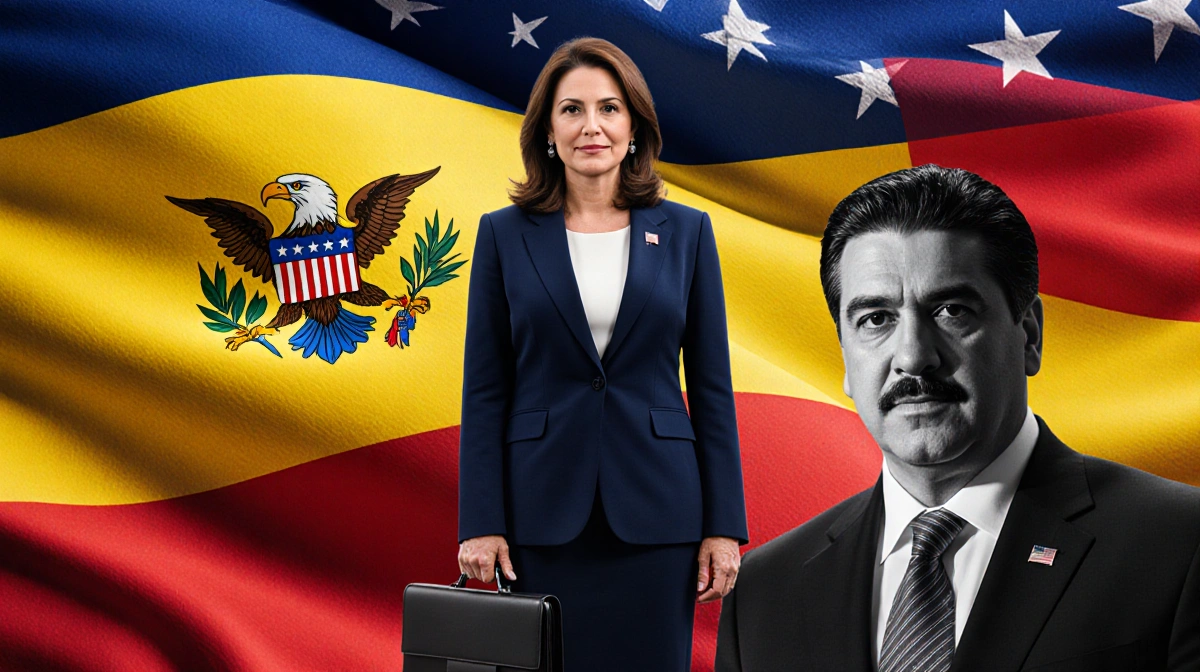
- Delcy Rodríguez, former vice president, has been appointed interim president after U.S. forces captured Nicolás Maduro.
- The Supreme Court declared Maduro’s absence “temporary,” allowing Rodríguez to hold power without a 30-day election.
- Trump and Secretary of State Marco Rubio have signaled a willingness to work with Rodríguez, but her stance remains uncertain.
This sudden shift places Venezuela at a crossroads, with the U.S. eyeing a possible partnership while the country’s internal politics remain tense.
Interim Presidency and Legal Basis
The Supreme Court’s ruling on Saturday stated Maduro’s absence is “temporary,” sidestepping the constitution’s 30-day election requirement. The decision omitted the 180-day limit that could extend Rodríguez’s stay, sparking speculation she may remain in power longer. This legal maneuver follows the precedent set when Hugo Chávez died in 2013, when the court called for an election.
Potential U.S. Cooperation
President Trump warned that if Rodríguez does not “fall in line,” she could face a “very big price,” possibly larger than Maduro’s. He demanded “total access” to oil facilities and infrastructure for rebuilding. Secretary of State Marco Rubio said he had been in contact with Rodríguez and described her as “gracious,” contrasting her with Maduro.
Rodríguez initially dismissed cooperation, calling Trump’s government “extremists” and asserting Maduro was the rightful leader. Later, on Instagram, she posted a conciliatory message:
> “We invite the US government to collaborate with us on an agenda of cooperation oriented towards shared development within the framework of international law to strengthen lasting community coexistence.”
She also noted that what is happening in Venezuela is an “atrocity that violates international law.”
Rodríguez’s Background and Position
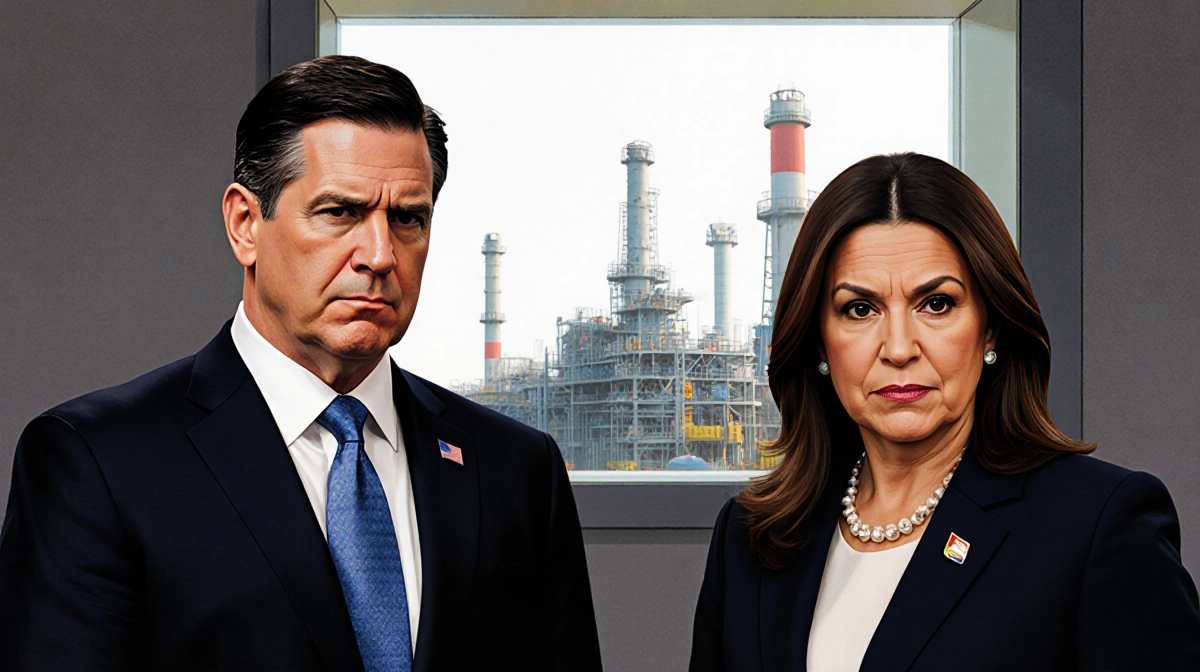
Rodríguez, a 56-year-old lawyer, served as vice president from 2018, overseeing oil, finance, and foreign affairs. She has ties to the military, a close relationship with her brother Jorge Rodríguez-head of the National Assembly-and a history of sanctions imposed by the U.S. during Trump’s first term. Her father, a socialist leader, was arrested for the 1976 kidnapping of William Niehous and died in police custody.
Geoff Ramsey of the Atlantic Council said Rodríguez’s firm tone may be a “save-face” strategy, noting that Maduro’s capture required internal collaboration.
Key Takeaways
- Rodríguez’s interim role hinges on a Supreme Court ruling that sidesteps a mandatory election.
- Trump and Rubio signal a willingness to work with her, but she has mixed signals about cooperation.
- Her background and military ties position her to navigate both domestic factions and U.S. pressure.
The coming weeks will determine whether Venezuela follows a path toward collaboration with Washington or continues its entrenched opposition to U.S. influence.