At a Glance
- A six-year-old dog named Woody underwent a rare brain surgery at DoveLewis Animal Hospital in Portland, Oregon, to remove a skull tumor.
- Surgeons replaced part of his skull with titanium mesh after a four-to-six-hour operation.
- Woody was walking and went home by day three and is now back to daily walks and playing with his brother.
- Why it matters: The case highlights advanced veterinary capabilities and the importance of committed owners and post-op teams in complex pet surgeries.
Woody, a six-year-old dog, faced mounting health problems last summer when he began stumbling on stairs and hesitating before jumps. His owners brought him to DoveLewis Animal Hospital, where veterinarians discovered a bone tumor pressing against his brain.
The location of the tumor posed serious risks. Surgeons worried it sat dangerously close to major blood vessels around the skull. The procedure required meticulous work to avoid bleeding and protect surrounding tissue. After four to six hours in the operating room, the team successfully removed the bulk of the tumor.
Rebuilding Woody’s skull became the next challenge. Surgeons used a titanium mesh to reconstruct the section they had removed. The material provides strength while allowing tissue to integrate over time. The hospital has not disclosed the exact size of the mesh, but noted the reconstruction was essential to protect the brain.
Post-operative care demanded a coordinated effort. Veterinary staff monitored Woody around the clock, checking neurological responses, pain levels, and signs of infection. By the third day he stood, walked, and showed interest in food, meeting key recovery milestones. His owners took him home with detailed instructions for medication, activity restriction, and follow-up visits.
Woody’s recovery surpassed expectations. Within weeks he resumed daily walks and rough-and-tumble play with his brother. The family reports he shows no hesitation on stairs or jumps, indicating the neurological symptoms have resolved. Regular rechecks will track any tumor regrowth.
The tumor, identified as slow-growing, remains partially present. Surgeons opted for a subtotal removal to avoid damaging critical vessels. Oncology specialists will review imaging every few months. If the mass enlarges, additional surgery or radiation therapy could be considered.
DoveLewis veterinarians emphasize that owner commitment drives success. Daily medication administration, activity moderation, and prompt reporting of subtle changes all affect outcomes. Woody’s family adhered strictly to instructions, a factor surgeons credit for the smooth recovery.
This is not the hospital’s first complex canine neurosurgery. Last March the same team removed a large brain tumor from Tuba, a seven-year-old Boxer. The cumulative experience refines techniques and shortens anesthesia time for future patients.
Surgeons note that canine neurosurgery carries extra challenges compared with human procedures. Breed-specific skull shapes vary widely, complicating surgical approaches. Dogs also possess thicker temporal muscles, requiring extended incision and retraction. Precise imaging with CT and MRI guides planning, but intra-operative navigation equipment designed for dogs remains limited.
Costs for such procedures can reach thousands of dollars, yet many owners opt for treatment. Insurance coverage for advanced veterinary care is expanding, making specialized surgeries accessible to more families. DoveLewis did not release Woody’s total bill.
The hospital’s neurology service receives referrals across the Pacific Northwest. Cases like Woody’s build a database that informs prognosis statistics and surgical protocols. Residents and interns observe these operations, advancing training in an emerging specialty.
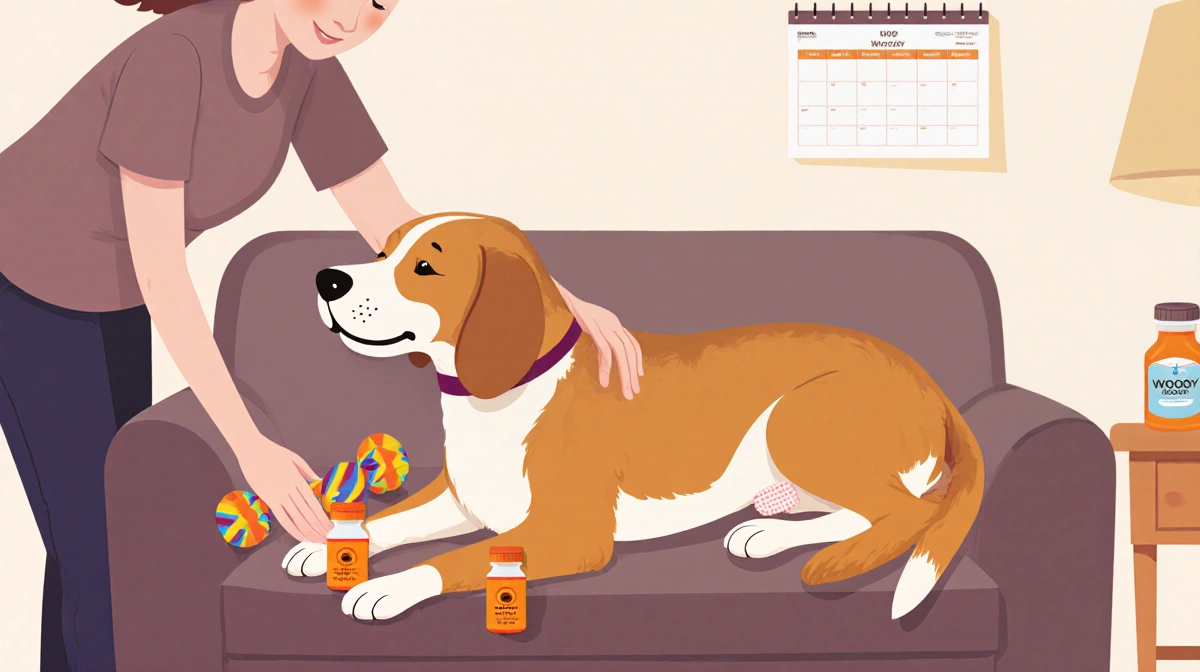
Woody’s story spread quickly on local media, prompting an outpouring of support on social media. Viewers shared photos of their own pets, celebrating medical successes and offering encouragement. Surgeons hope the visibility educates owners about recognizing early neurological signs in dogs.
For now, Woody enjoys uneventful days at home. His owners report he wakes eager for walks and collapses each evening satisfied, a routine they value more after nearly losing him.