
Interview Overview
White House chief of staff Susie Wiles made a striking claim in a recent Vanity Fair interview that Vice President Dan Vance has been a “conspiracy theorist” for a decade. The interview, published on Tuesday, gave Wiles a platform to discuss how the administration’s handling of the Jeffrey Epstein files has been perceived by Trump’s base of supporters. Wiles framed the conversation around the importance of the files, noting that the release was a matter of great significance for certain segments of the president’s supporters. The remarks signal a sharp internal disagreement over the files’ release.
Critiques of Vance and Bondi
Wiles said that “The people that really appreciated what a big deal this is are Kash [Patel] and [FBI Deputy Director] Dan Bongino,” to Chris Whipple. She added, “Because they lived in that world. And the vice president, who’s been a conspiracy theorist for a decade,” to emphasize her view of Vance’s long-standing stance. Wiles continued, “For years, Kash has been saying, ‘Got to release the files, got to release the files.’ And he’s been saying that with a view of what he thought was in these files that turns out not to be right.” The quotes highlight frustration over misaligned expectations. The remarks illustrate a disconnect between Vance and other officials.
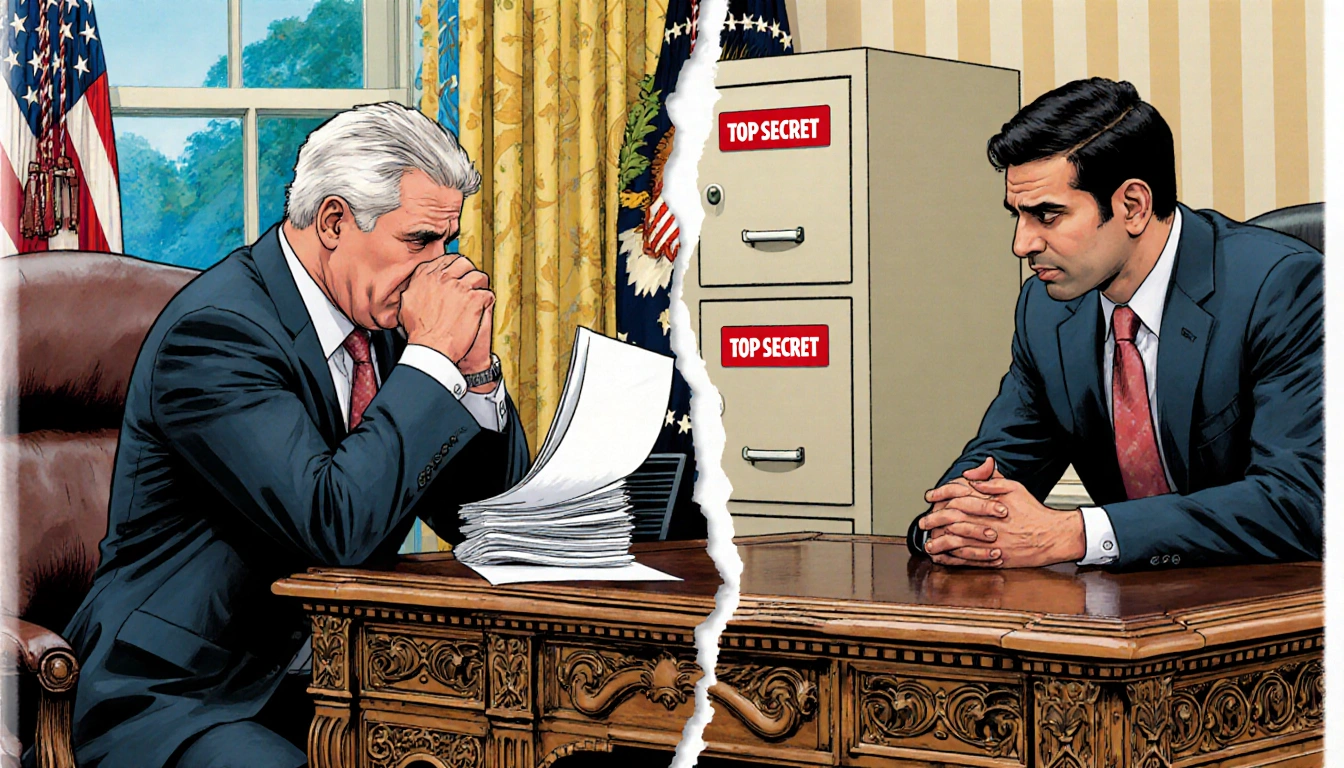
Wiles also criticized Attorney General Pam Bondi, saying she “whiffed” on the importance of the files for Trump’s base. She elaborated, “I think she completely whiffed on appreciating that that was the very targeted group that cared about this,” to highlight her perceived disconnect. Wiles went on to describe Bondi’s handling of the files, stating, “First she gave them binders full of nothingness. And then she said that the witness list, or the client list, was on her desk. There is no client list, and it sure as hell wasn’t on her desk.” The description paints a picture of mismanagement. Bondi’s role as attorney general is central to the administration’s legal strategy. Wiles’ criticism points to perceived gaps in communication.
Legislative Context
The context for these comments is the recent passage of the Epstein Files Transparency Act, which Trump signed in November after it received bipartisan support in both chambers of Congress. The act obliges the Justice Department to release the majority of the files within 30 days. This deadline has drawn scrutiny from various administration officials. Wiles’ remarks, therefore, reflect a broader debate within the administration over how to handle the Epstein files. The act’s passage added a legal requirement for timely release. The administration’s response to the act is under close observation.
The Epstein Files Transparency Act, by mandating a 30-day release, places the administration under a tight timetable. This requirement has intensified scrutiny of how the Justice Department will comply. It also forces the White House to coordinate closely with legal counsel to ensure the files are prepared and vetted in time. The act’s passage signals a legislative push toward greater transparency, but the administration’s internal disagreements may affect how effectively the deadline is met.
Internal Dynamics and Transparency
Wiles’ remarks also shed light on the internal culture of the White House. The chief of staff’s willingness to speak candidly about other officials signals a level of openness. The interview’s tone suggests that disagreements are not merely procedural but carry ideological weight. Wiles’ labeling of Vance as a conspiracy theorist is a strong statement about his approach to information. The conversation also highlights the importance of accurate information in decision-making. The interview underscores the need for clear communication within the administration.
While the article focuses on the administration’s internal dynamics, it also touches on the broader public debate over the Epstein files. The law’s requirement for a 30-day release adds urgency to the process. Wiles’ comments reflect how the administration’s internal disagreements can impact public policy. The administration’s handling of the files will be closely monitored by the media and the public. The situation remains a focal point for discussions about transparency and accountability.
Looking ahead, the administration faces the challenge of balancing transparency with legal considerations. The 30-day deadline set by the act will test the administration’s capacity to comply. Wiles’ remarks suggest that internal disagreements may influence how the release is managed. The administration’s response will be critical to maintaining trust. The interview also highlights the role of key administration figures in shaping policy.
Susie Wiles’ comments serve as a reminder of the importance of transparency in government. The administration’s handling of the Epstein files has drawn scrutiny from both inside and outside the White House. The 30-day release requirement places pressure on the Justice Department. The debate over the files reflects broader concerns about accountability. Wiles’ remarks point to the need for better coordination among officials.
In summary, the interview reveals deep divisions within the administration over the release of the Epstein files. Wiles’ candid remarks highlight the challenges of aligning policy with political expectations. The upcoming release will test the administration’s ability to balance transparency, legal obligations, and internal dynamics. The situation remains a key focus for observers of the Trump administration.
Key Takeaways
- Susie Wiles calls VP Dan Vance a ‘conspiracy theorist’ for a decade, citing his stance on the Epstein files.
- The interview examines White House dynamics and the 30-day deadline.
Final Thoughts
The interview’s revelations will likely influence future discussions about transparency and accountability within the administration. Stakeholders will monitor how the release of the files aligns with the legal requirements and the administration’s stated priorities. The conversation underscores the importance of clear communication and accurate information in high-stakes decision-making.