At a Glance
- 94 million U.S. households now own pets, up from 82 million in 2023
- Urban raccoons show physical changes hinting at early domestication
- Scientists say raccoons, foxes, and possums could become companion animals
- Why it matters: Climate change and city living are pushing wild species toward human-friendly traits, potentially creating new pet options beyond cats and dogs
Pet ownership in America just hit a new peak. The American Pet Products Association reports 94 million households-70 percent of all homes-now include at least one animal companion, a sharp jump from 82 million in 2023. While dogs and cats still dominate living rooms, viral stories of domesticated beavers, capybaras, and possums hint that tomorrow’s favorite furball might come from the wild.
For this edition of News Of Austin Asks, Aiden V. Crossfield polled biologists who study how animals evolve alongside people. Their consensus: several wild species already live close enough to humans-and display the right social wiring-to follow cats down the path from pest to pet.
Raccoons Are Already on the Move
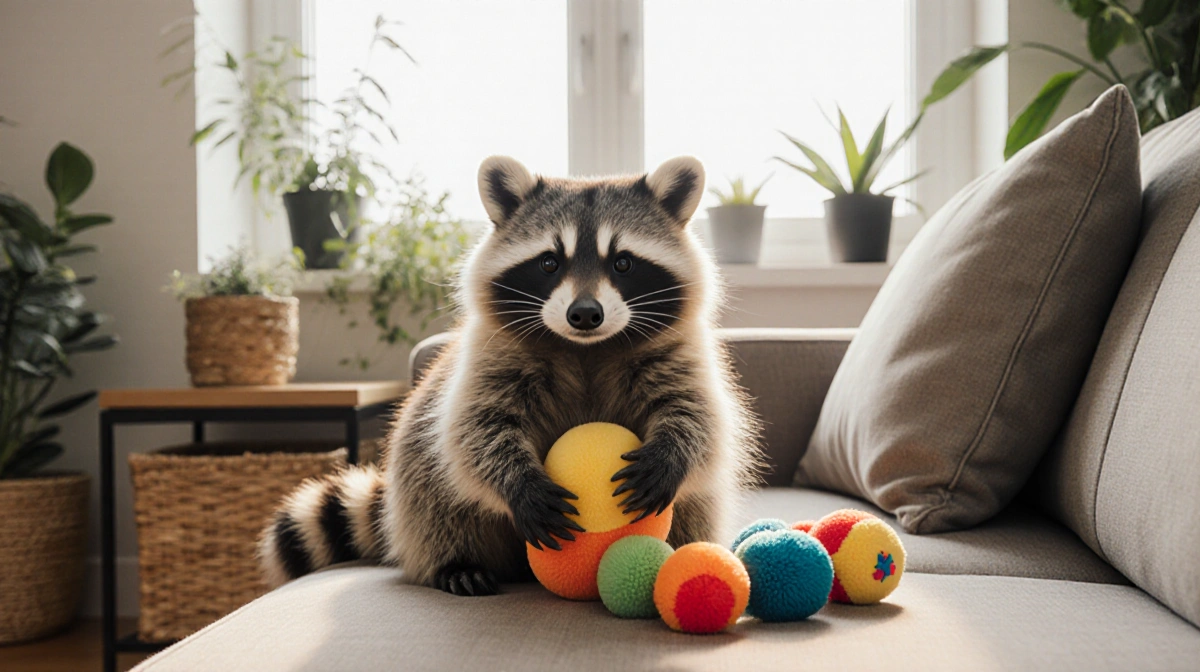
A study last October found that city raccoons sport shorter snouts than their rural cousins, a shift the authors interpret as an early domestication signal. Robert Spengler, director of the Paleoethnobotany Laboratories at Germany’s Max Planck Institute for the Science of Human History, calls the change an example of commensal domestication-evolution triggered not by deliberate breeding, but by the advantages of living near people.
Spengler notes that urban foxes across Western Europe are undergoing similar shifts. As dog- and cat-control programs cleared ecological space, foxes that tolerated humans thrived. He predicts North American raccoons are on the same track, whether people approve or not.
What Makes a Good Candidate?
Martin Johnsson, a quantitative geneticist at the Swedish University of Agricultural Sciences, says the next breakout pet will likely:
- Already live near humans
- Show social behavior, at least toward offspring
- Carry genetic variation for reduced fear of people
Raccoons tick every box. Johnsson points to lab-bred rats and the famous Belyaev fox experiment-where selecting only for tameness produced dog-like behavior in a few generations-as proof that wild animals can flip quickly under the right pressures.
The Competition Problem
Cats and dogs enjoy a 10,000-year head start. Paleogeneticists Claudio Ottoni and Marco De Martino at the University of Rome Tor Vergata remind us that ferrets and leopard cats once enjoyed cozy human relationships-until cats arrived and muscled them out. For any newcomer to reach global pet status, it would have to displace the entrenched emotional and logistical niches already filled by dogs and cats.
Still, local breakouts are plausible. Urban opossums and foxes display the same habituation patterns as raccoons. Ottoni and De Martino expect these species could become neighborhood favorites even if they never rival Labrador retrievers.
Designer Pets on the Horizon
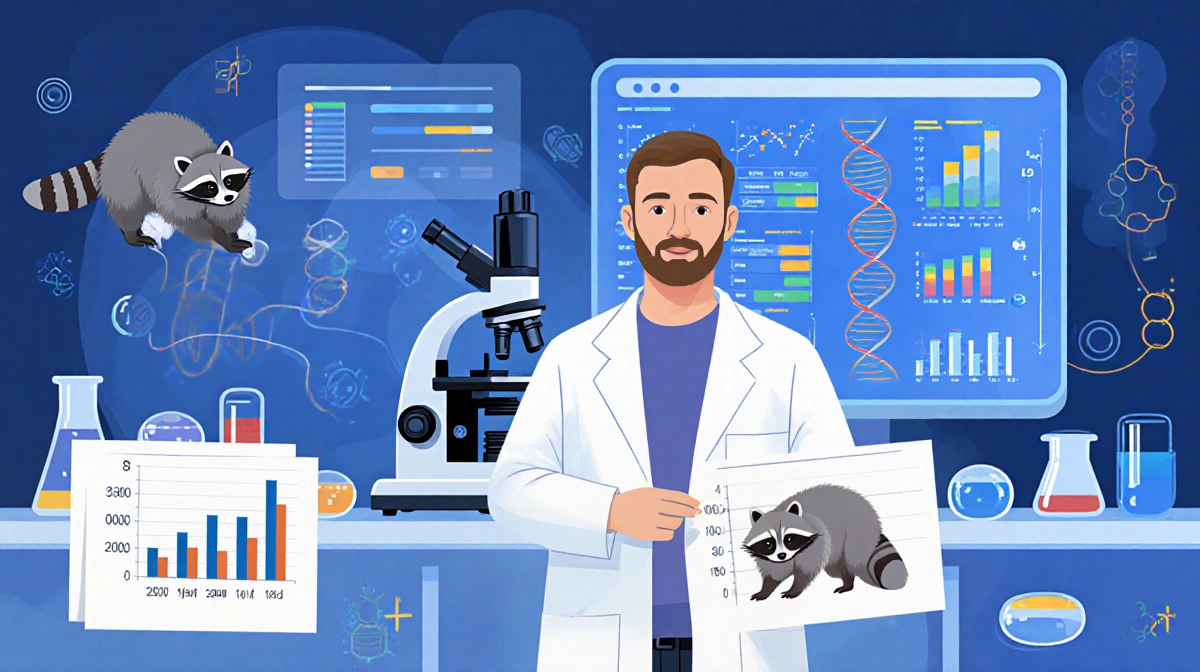
Spengler adds that intentional breeding, accelerated by CRISPR gene editing, could fast-track domestication. Conservationists have already floated the idea of genetically adapting wild organisms to survive rapid climate change. If entrepreneurs apply the same tools to create market-ready companion animals, tomorrow’s viral pet might be built in a lab rather than evolved in an alley.
For now, raccoons raiding trash cans are simply following the ancient cat playbook: tolerate humans, reap the rewards, and let evolution do the rest. Whether people welcome masked bandits onto the sofa is another question entirely.