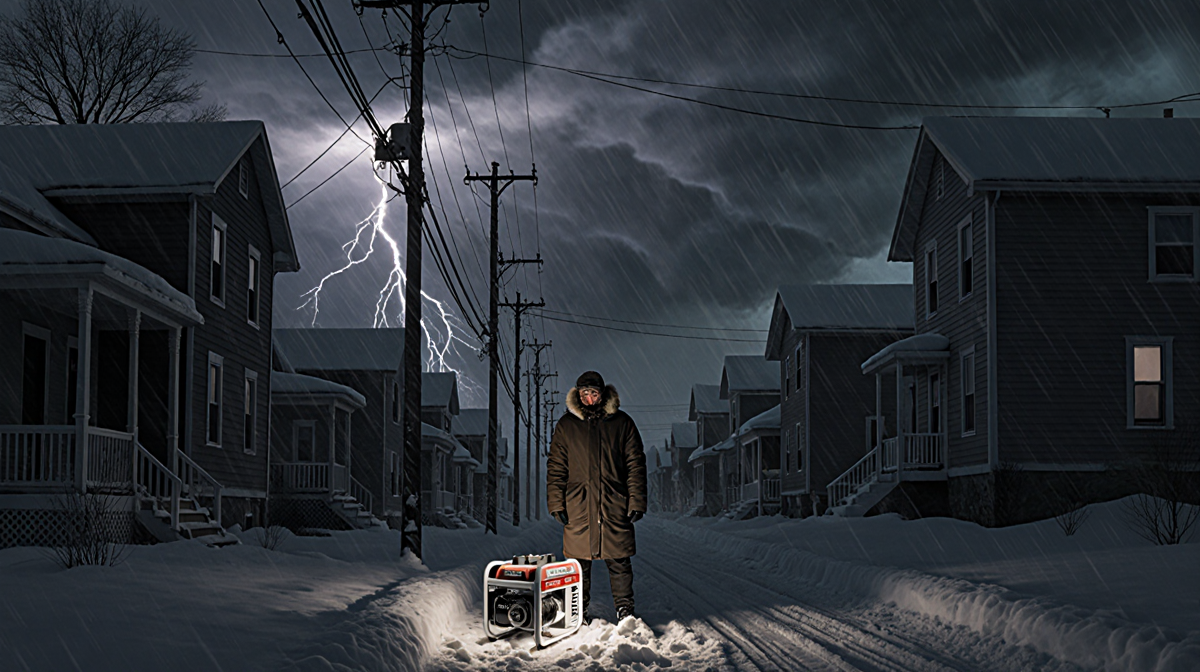
A powerful winter storm has left as many as 800,000 people across ten southeastern states still without electricity, prompting urgent public-safety measures. The cold wave has driven extreme temperatures and wind chills below freezing, amplifying risks for those already dealing with outages. Authorities and utility companies are working to restore power while advising residents on how to stay warm and safe.
At a Glance
- 800,000 people without power in the Southeast
- 13 fatalities reported so far
- Utility outages expected to last several days
Why it matters: Residents in the South must act quickly to avoid hypothermia and frozen pipes.
Storm Impact and Power Outages
The National Weather Service has issued cold-related alerts across the Eastern U.S., with extreme cold warnings concentrated in the Southeast and the Great Lakes. Wind chills are expected to plunge well below freezing overnight Monday through 12 p.m. ET Tuesday, heightening the danger of hypothermia, frostbite, and frozen pipes. These conditions elevate the risk for anyone who loses heat.
States still battling widespread outages-Texas, Louisiana, Mississippi, Tennessee, Virginia, Kentucky, Georgia, and the Carolinas-face especially perilous conditions. Census data shows that most homes in these states rely on electric heating, making power loss a direct threat to warmth.
The storm has already claimed 13 lives, according to NBC News. One victim, a 28-year-old elementary school teacher missing after leaving a bar in Emporia, Kansas, is believed to have succumbed to hypothermia, local authorities say.
The cold wave is expected to linger into next weekend, with a chance of additional snow. Residents are urged to stay indoors and monitor local news for updates.
The storm is part of a larger Arctic cold front moving across the U.S., which meteorologists expect to continue impacting the East through the beginning of February.
Utility Company Responses
Utility firms in hard-hit areas have acknowledged that power restoration could stretch for several days. Duke Energy reported more than 18,000 outages across the Carolinas Sunday afternoon, with additional outages expected as ice continues to accumulate on trees and power lines.
Cleco said it had restored power to 60% of the 17,000 affected customers across Louisiana and Mississippi Monday, but crews remain busy clearing debris, assessing damage, and working to bring power back to remaining areas.
CEMC faces a similar challenge in Tennessee, where extensive tree damage and broken equipment will likely result in a “multi-day restoration event,” a Monday statement noted.
PJM, the largest regional grid in the U.S. serving 67 million people, warned on Sunday that it is bracing for record-breaking energy demand as frigid temperatures move into the Mid-Atlantic and the Midwest. “This is a formidable Arctic cold front coming our way, and it will impact our neighboring systems as much as it affects PJM,” Mike Bryson, PJM’s senior vice president of operations, said in a statement. “We will be relying on our generation fleet to perform as well as they did during last year’s record winter peak.”
Utility companies are working to clear debris from fallen trees and damaged lines, with crews on the ground 24 hours a day.
What to Do If You Can’t Heat Your House
Cold temperatures and power outages can be lethal if you lose heat. First, seal off unused rooms, close curtains and blinds, and gather in a single, well-insulated interior room to keep heat from escaping.
Keep blankets and winter clothing in abundance, and insulate exposed pipes. Allow faucets to drip during the coldest periods to prevent freezing and bursting.
If the temperature in your home drops below 60 °F (15.5 °C), it’s time to leave. Locate warming shelters, community centers, or other safe indoor locations in your community now, before the Arctic temperatures continue through the beginning of February.
Meteorologists expect the cold to persist into next weekend, with a chance of additional snow. Having an emergency plan in place will be critical over the next couple of weeks.
If you are unable to keep your home warm, consider moving to a neighbor’s house or a local shelter. Keep a bag ready with clothes, blankets, a flashlight, and any necessary medications.
Stay informed by listening to local radio or checking online for power-restoration updates.
Looking Ahead
The National Weather Service urges residents to stay tuned for updates as the storm moves across the country. Power restoration will likely take several days, and the risk of hypothermia and frozen pipes remains high until temperatures rise.
PJM will monitor the grid’s performance closely, while utility companies continue to work on clearing debris and restoring service.
Residents should keep emergency supplies ready and follow guidance from local authorities.
Community Resources
- Ready.gov – provides instructions on staying safe during power outages.
- Local fire departments – often run warming shelters.
- County emergency management offices – offer assistance and updates.
- Mobile phone charging stations – available in many community centers.
Key Takeaways
- 800,000 people still without power in the Southeast.
- 13 fatalities reported; one teacher in Kansas died of hypothermia.
- Utility outages may last several days; restoration is underway.
- Residents should seal rooms, insulate pipes, and seek shelters if temperatures fall below 60 °F.
- Follow local news and Ready.gov for updates and safety tips.
Utility Status
| Utility | Affected Customers | Outages Reported | Status |
|---|---|---|---|
| Duke Energy | >18,000 | Reported | Power expected to be restored over several days |
| Cleco | 17,000 | 60% restored | Restoring remaining customers |
| CEMC | N/A | Extensive tree damage | Multi-day restoration likely |
| PJM | N/A | Bracing for demand | Monitoring grid performance |
Weather Forecast
| Region | Date | Wind Chill | Forecasted Temperature |
|---|---|---|---|
| Southeast | Monday night | Below freezing | 30 °F |
| Great Lakes | Monday night | Below freezing | 25 °F |
| Mid-Atlantic | Tuesday | Below freezing | 35 °F |
| Midwest | Tuesday | Below freezing | 28 °F |