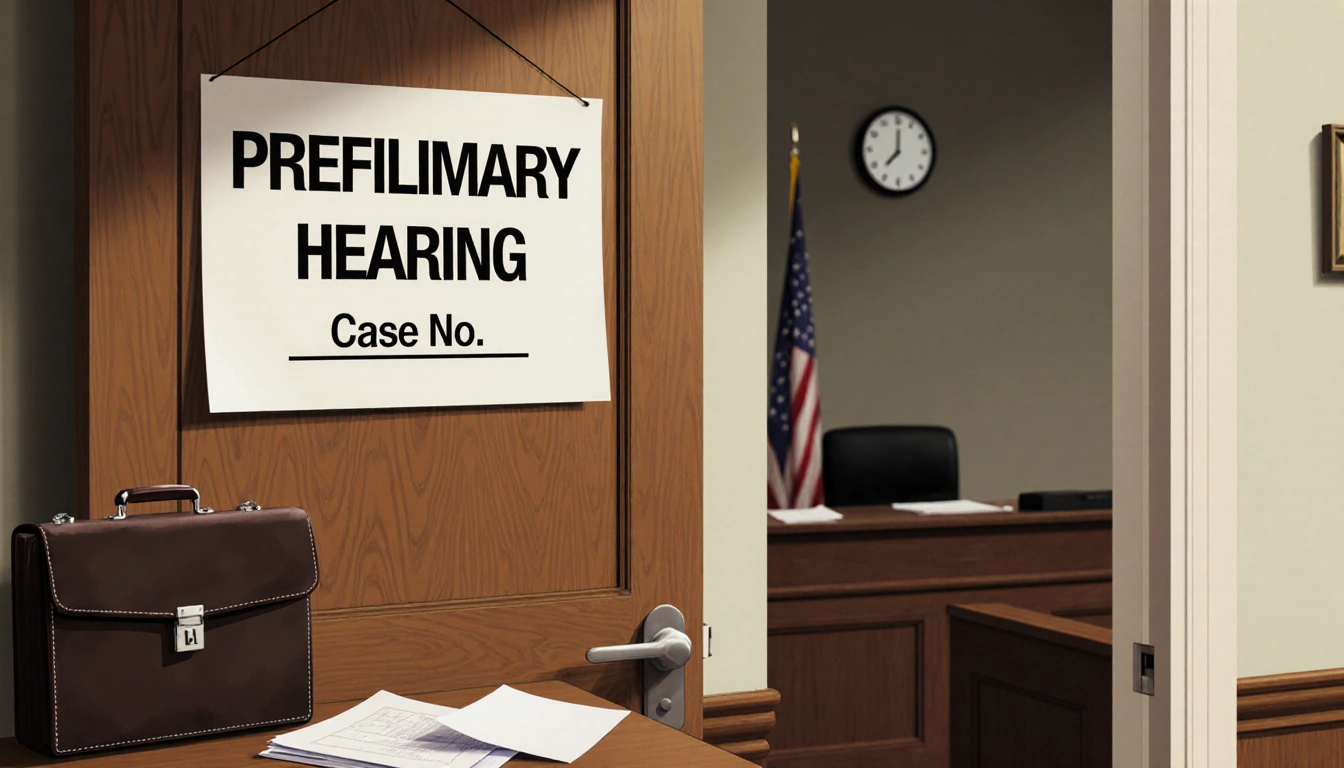
Wisconsin’s Dane County Circuit Judge John Hyland postponed a preliminary hearing for former Trump campaign attorney Ken Chesebro on Monday. The decision came amid questions about whether statements Chesebro made to prosecutors could be used in court. The postponement is a setback for the state Department of Justice, which had pushed for the hearing to proceed.
The hearing for the other two defendants, Jim Troupis and Mike Roman, continued as scheduled. Both men are former Trump aides who also face the same set of felony charges. The case remains active despite the delay for Chesebro.
Each of the three former aides is charged with 11 felony counts related to their participation in the 2020 fake elector scheme. The charges were filed by the Wisconsin Department of Justice in 2024. The indictment alleges that the aides defrauded the ten Republican electors who cast ballots for Trump.
Chesebro, Troupis, and Roman are accused of lying to the electors about how the certificate they signed would be used. Prosecutors say the aides claimed the certificate would be part of a plan to submit paperwork to Vice President Mike Pence. They also falsely claimed that Trump had won Wisconsin in 2020.
The electors testified that their signatures were intended only to preserve legal options if a court changed the election outcome. They also stated they did not believe their signatures would be submitted to Congress without a court ruling. The electors further said they did not consent to having their signatures presented as if Trump had won.
Judge Hyland said holding a separate evidentiary hearing to determine whether Chesebro’s comments were given under an agreement not to be used against him might be the best route. The judge emphasized that the hearing could clarify the admissibility of the statements. He also noted the lack of an immunity agreement in this case.
Blais said, “Chesebro made his comments to investigators voluntarily and there was no immunity agreement given to him in exchange for talking.” She called the move by Chesebro’s attorney to exclude the comments at the preliminary hearing a “clear sandbag.” Blais also noted the voluntary nature of the statements.
Troupis last week tried unsuccessfully to get Judge Hyland to step down and have the case moved to another county. He alleged that the judge did not write a previous order issued in August declining to dismiss the case. Troupis also claimed that the judge’s law clerk’s father, a retired judge, actually wrote the opinion.
Troupis, who served one year as a judge in the same county where he was charged, also alleged that all of the Dane County judges are biased against him. He claimed he could not get a fair trial under the current circumstances. However, he presented no evidence to support his claims of bias.
Hyland replied that he and a staff attorney alone wrote the order. He also stated that Troupis presented no evidence to back up his claims of bias. Hyland refused to step down or delay the hearing, maintaining the court’s schedule.
Republican U.S. Senator Ron Johnson asked the U.S. Department of Justice to investigate the allegations made by Troupis. Johnson’s request came after Troupis’s motion to move the case. The senator’s involvement highlights the political dimension of the case.
Special agent Andrew Schoeneck, part of the criminal investigation division of the Wisconsin Department of Justice, detailed the state’s case against the three former Trump associates during the preliminary hearing. Schoeneck answered questions from prosecutors about the evidence supporting the charges. He emphasized that the aides have argued no crime took place.
Trump lost Wisconsin in the 2020 presidential election but fought to have the defeat overturned. He won the state in both 2016 and 2024. The political context underscores the stakes of the election‑related allegations.
The state charges against the Trump attorneys and aide are the only ones in Wisconsin. None of the electors have been charged. The ten Wisconsin electors, Chesebro, and Troupis all settled a lawsuit that was brought against them seeking damages. With the preliminary hearing postponed for Chesebro, prosecutors face a setback in advancing the case. The other defendants’ hearings continue, keeping the legal battle alive. The case remains a focal point for election‑fraud investigations in the state.
Overall, the Wisconsin case illustrates the intersection of election law, criminal charges, and judicial procedure. It also demonstrates how political actors can influence the litigation process. The outcome of the hearings will shape the trajectory of the case.
The legal proceedings will continue to unfold as the court addresses the evidentiary questions. The state Department of Justice remains focused on the felony forgery charges. Observers will watch how the case develops in the coming weeks.
The case has attracted national attention as part of broader election‑fraud investigations. Media coverage has focused on the legal strategies of the defense teams. Public interest remains high as the hearings progress.
Legal experts have noted the complexity of proving forgery in a political context. The prosecution must establish intent and false representation. The defense counters that no crime occurred.
The Wisconsin Department of Justice continues to collect evidence and interview witnesses. The court schedule will determine the next steps in the trial process. Stakeholders await the outcome of the evidentiary hearing.
Key Takeaways
- Ken Chesebro’s preliminary hearing was postponed amid admissibility questions.
- All three former Trump aides face 11 felony forgery charges tied to a 2020 fake elector scheme.
- The case involves significant procedural moves, including a separate evidentiary hearing and political investigations.