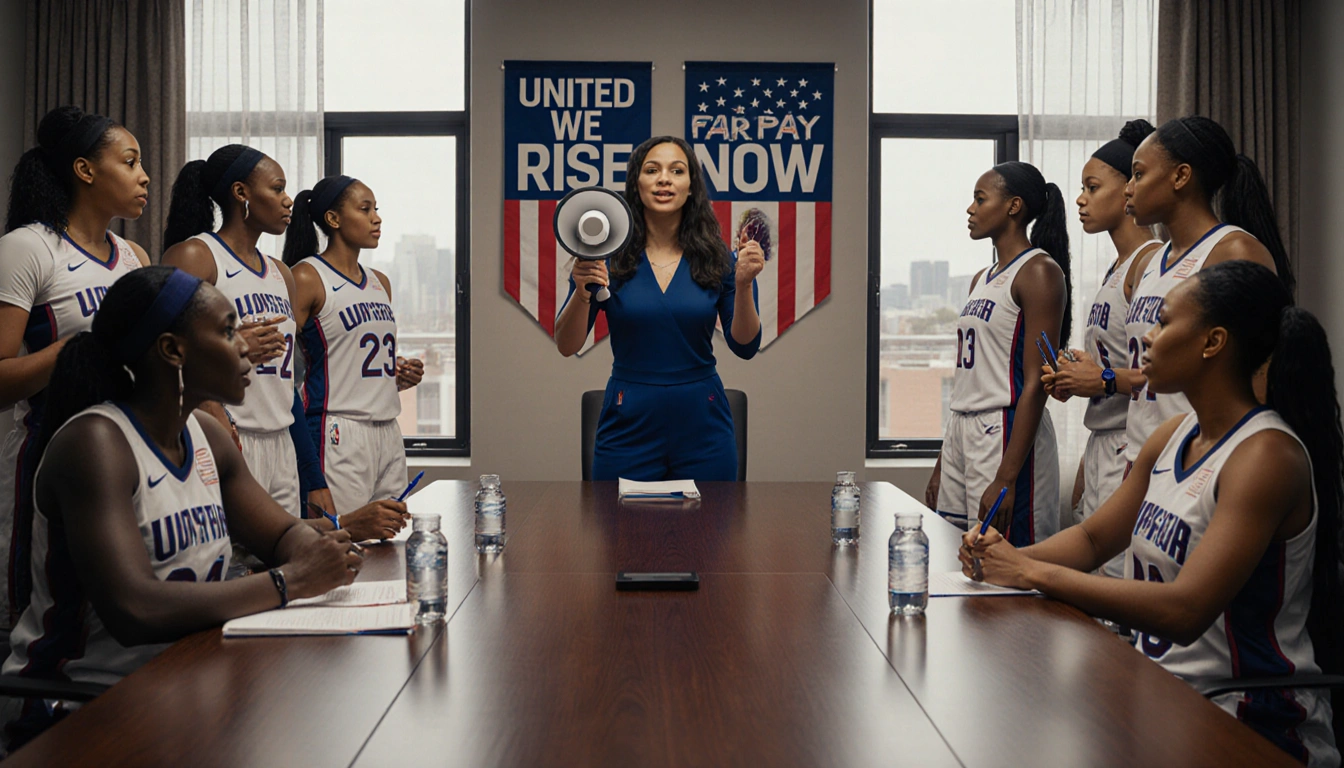
In a decisive move that could reshape the upcoming WNBA season, the league’s players have empowered their union’s executive council to call a strike if necessary. The decision follows months of stalled talks and a recent deadline set for January 9.
Union Grants Strike Authority
In a vote that underscored the players’ resolve, 93 % of the roster approved the measure, and 98 % voted “yes” to authorize a strike if needed. The union said the move gives negotiators “another tool to use in talks.” The statement added that the players’ decision is “an unavoidable response to the state of negotiations with the WNBA and its teams.” It further warned that the league “has been met with a resistance to change and a recommitment to the draconian provisions that have unfairly restricted players for nearly three decades.” The union emphasized that the vote is “neither a call for an immediate strike nor an intention to pursue one. Rather, it is an emphatic affirmation of the players’ confidence in their leadership.”
Negotiation Status and League Response
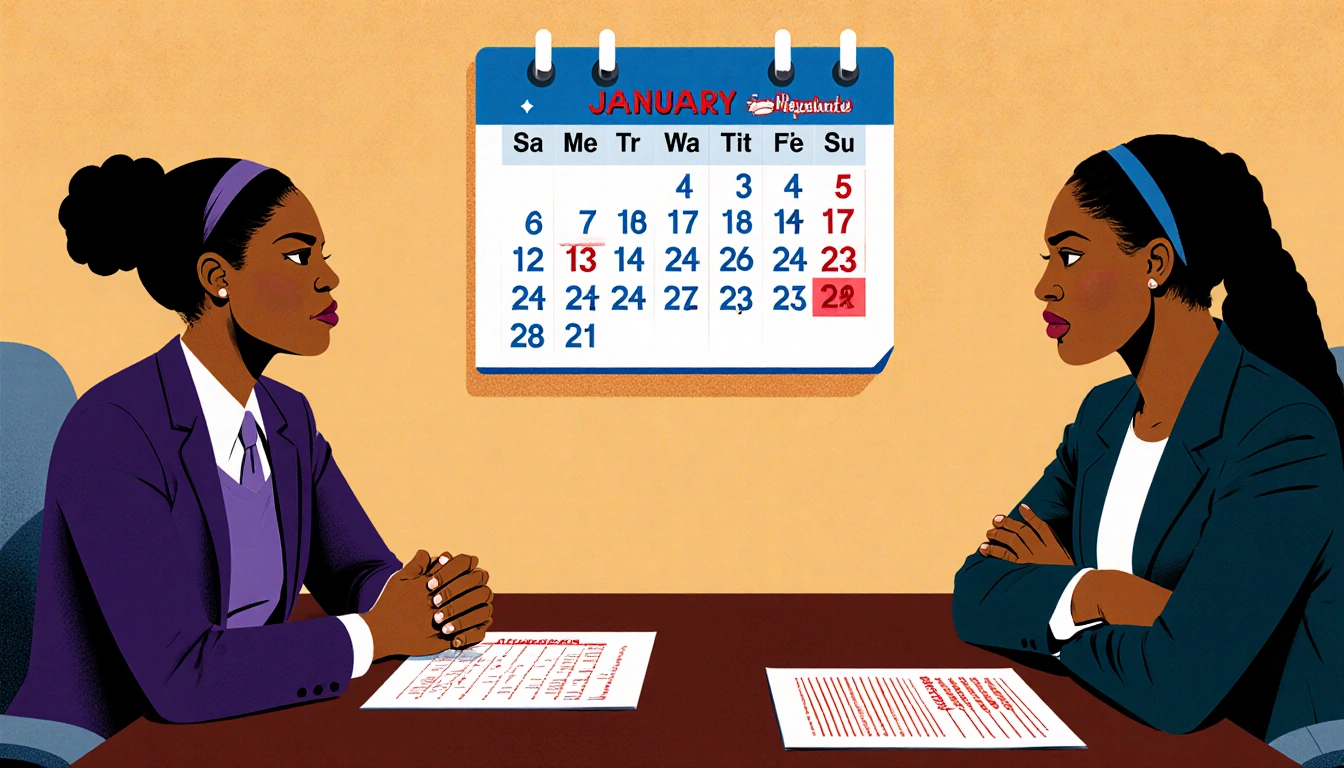
The WNBA and the players’ union have been negotiating a new collective-bargaining agreement for several months, extending the deadline a couple of times. The latest deadline, set for January 9, marks a critical point in the talks. The league acknowledged the players’ right to a future work stoppage but said it “strongly disagrees with the WNBPA’s characterization of the current state of negotiations.” The WNBA added that it remains “steadfast in its commitment to reaching an agreement as soon as possible and delivering a 30th season for the players, fans, teams, and partners.” The league also highlighted that it is “proposing numerous CBA modifications including significant immediate salary increases and a new uncapped revenue-sharing model that would ensure continued salary growth tied to revenue growth.”
Proposed Salary and Revenue Sharing
The league’s most recent offer would guarantee a maximum base salary of $1 million in 2026, which could rise to $1.3 million through revenue sharing. That would lift the current $249 000 cap and could grow to nearly $2 million over the life of the agreement, a person with knowledge of the negotiations told the Associated Press. The average salary in 2026 would exceed $530 000, up from $120 000, and could grow to more than $770 000 over the agreement’s duration. The minimum salary would climb from $67 000 to over $250 000 in the first year, the same anonymous source added.
Player Perspectives and Other Issues
Napheesa Collier, a member of the executive council, said in a Zoom call earlier this week that players are also fighting for child-care and retirement benefits. She noted that revenue sharing remains the main issue, explaining that “other topics haven’t been talked about as much.” “I don’t think there’s fatigue,” Collier said. “Obviously, there’s frustration in that both sides are trying to get what they want, but we still have that fire within us that we’re willing to do what it takes. We’re going to do whatever it takes to get what we think we deserve.”
Indiana Fever star Caitlin Clark added at a USA Basketball camp last week that this moment is “the biggest moment in the history” of the league. “It’s not something that can be messed up,” Clark said. “We’re going to fight for everything we deserve, but at the same time we need to play basketball. That’s what our fans crave. You want the product on the floor. In the end of the day that’s how you’re marketable, that’s what the fans want to show up for.”
Impact on League Calendar
A strike could push back the WNBA expansion draft and the start of free agency, which normally kicks off in late January. The season itself is not expected to begin until late April or early May, meaning a work stoppage would have a noticeable ripple effect on the league’s schedule.
Key Takeaways
- The union’s executive council now has the power to call a strike, backed by a 93 % player vote.
- The league’s latest offer raises base salaries to $1 million in 2026 and could reach $2 million over time.
- Players are also demanding child-care and retirement benefits, with revenue sharing remaining the central sticking point.
The union’s authorization of strike authority signals a hardening stance as the WNBA and its players continue to negotiate a new collective-bargaining agreement. While the league stresses its willingness to reach a deal quickly, the players remain determined to secure fair compensation and benefits for the next decade of professional women’s basketball.