
Introduction
Xbox is quietly testing an ad-supported subscription tier that limits users to one hour of gameplay per session and two minutes of pre-roll advertising. The move, first spotted by Tom Warren on January 17, 2026, could signal a new revenue stream for Microsoft’s cloud gaming service.
At a Glance
- Xbox tests a 1-hour ad-supported playtime with 2-minute pre-roll ads.
- Users may play a total of 5 hours per month without a Game Pass.
- Some free-streaming titles are available without a subscription, but a Microsoft account is required.
Why It Matters
The experiment could reshape how Xbox monetizes its cloud platform and may foreshadow a broader shift toward ad-based gaming.
Xbox’s Ad-First Experiment
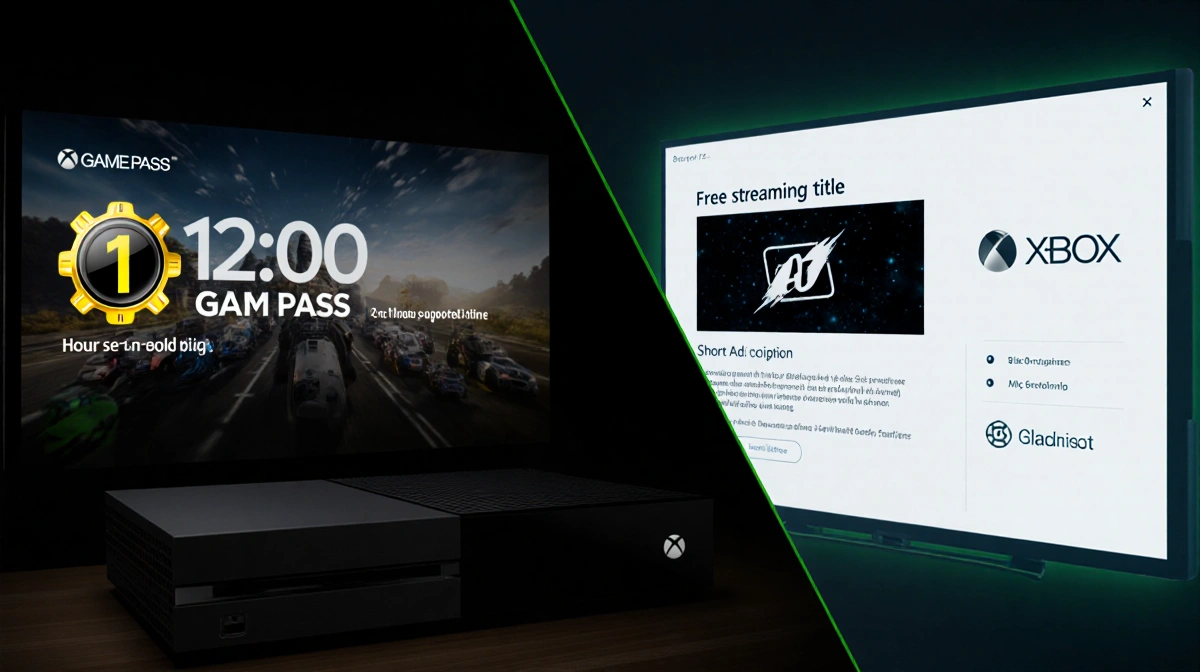
The Verge’s Tom Warren first spotted a teaser screenshot showing the familiar Xbox Cloud Gaming rocket ship with a caption: “1 hour of ad-supported playtime per session.” The image suggests that after an hour, users would face an advertising blitz.
> “Sessions could be limited to a mere hour of game time, supported by two full minutes of pre-roll ads,” said Warren, citing anonymous sources.
Microsoft has kept the details vague, but the public preview indicates that the service will operate separately from Game Pass for now. The company has not yet announced whether the ad-tier will be bundled with a subscription or offered as a free option.
How It Works
| Feature | Description |
|---|---|
| Session Length | 1 hour of gameplay before ads |
| Pre-Roll Ads | 2 minutes of Mountain Dew G-Fuel advertising |
| Monthly Limit | 5 hours of ad-supported playtime |
| Access | No Game Pass required for a handful of titles; Microsoft account needed |
The structure mirrors Microsoft’s earlier strategy with Xbox Cloud Gaming, where players on Basic or Premium tiers could stream a subset of games after the beta phase. Now, the ad-tier adds a new dimension: a limited, free-to-play experience that monetizes through short ad bursts.
Comparison to Netflix’s Ad Strategy
Microsoft’s approach is not unprecedented. Netflix, for instance, introduced an ad-supported tier that has become the platform’s most popular subscription. This month, Deadline reported that Netflix’s ad-tier subscribers grew by 14% year over year.
| Metric | Q3 2024 | Q3 2025 |
|---|---|---|
| % of Accounts on Ad-Based Tiers | 26% | 40% |
Netflix’s success demonstrates that consumers will pay for ads if the content remains valuable. Microsoft’s test, however, keeps the ad-tier separate from Game Pass, potentially limiting cross-sell opportunities.
Potential Impact on Game Pass
Last year, Microsoft raised the price of its Ultimate subscription tier to $30 a month, a 50% increase. The new ad-tier could influence the company’s pricing strategy in several ways:
- Revenue Diversification: Ads could offset the cost of expanding cloud libraries.
- Tiered Access: Lower-tier subscribers might gain limited access to day-one releases through the ad-service.
- Subscriber Retention: Offering a free, ad-supported option could attract price-sensitive gamers, reducing churn.
If the ad-model proves lucrative, Microsoft may eventually merge it with Game Pass, creating an ad-supported subscription for lower tiers.
What This Means for Users
Gamers who want an ad-free experience will likely need to stick with the paid Game Pass Ultimate tier. However, the ad-tier provides:
- Free Access to a selection of cloud-streamed games.
- Limited Playtime that may be sufficient for casual sessions.
- No Subscription Fee, though a Microsoft account remains mandatory.
The key question is whether users will accept the two-minute ad interruption after each hour of play. The success of the model will hinge on the balance between ad frequency and gameplay value.
Key Takeaways
- Xbox is testing a 1-hour ad-supported playtime with 2-minute pre-roll ads.
- Users can play up to 5 hours per month without a Game Pass.
- The experiment mirrors Netflix’s ad-tier strategy, which has grown by 14% year over year.
- Microsoft’s pricing shift last year saw a 50% increase to $30 a month for Ultimate.
- Future integration with Game Pass could broaden ad exposure to lower tiers.
The move positions Xbox at the forefront of a potential industry shift toward ad-based gaming, challenging the long-standing belief that games must remain ad-free to succeed.