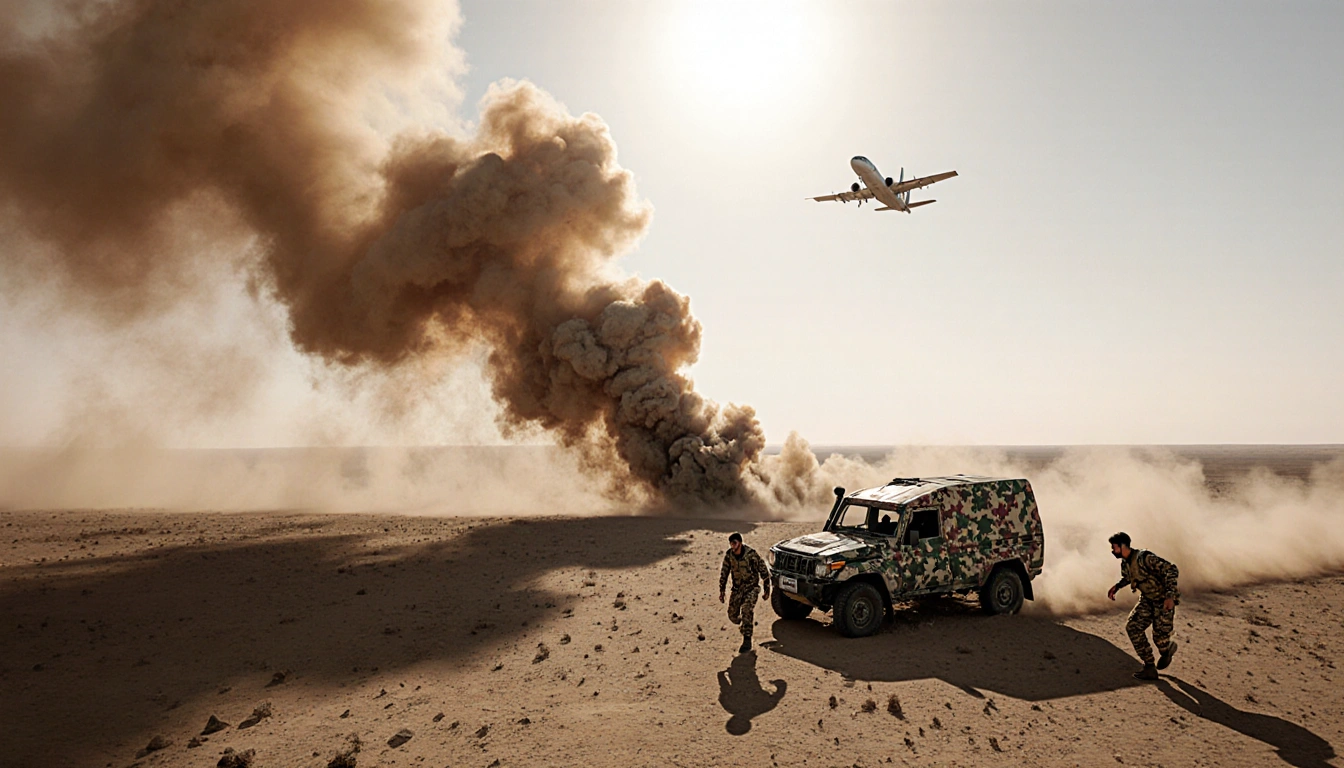
In a dramatic turn of events, separatists in southern Yemen have accused Saudi Arabia of conducting airstrikes on their forces in the eastern Hadramout governorate. The strikes, which the separatists say killed two fighters and wounded 12 others, came after the kingdom warned the Southern Transitional Council (STC) to withdraw from the territories it had recently taken over. The accusations have added a new layer of tension to an already volatile conflict that has seen the Saudi-led coalition battling Iran-backed Houthi rebels for more than a decade.
Saudi Airstrikes in Hadramout
The Southern Transitional Council, which is backed by the United Arab Emirates, said the airstrikes occurred in Yemen’s Hadramout governorate. The attacks took place on Friday, after the kingdom had issued a warning on Thursday urging the separatists to pull back from the governorates they had seized. While the Saudi government has not yet acknowledged the strikes, the council’s satellite channel, AIC, aired footage that the council described as mobile-phone recordings of the assault.
Separatist Response and Casualties
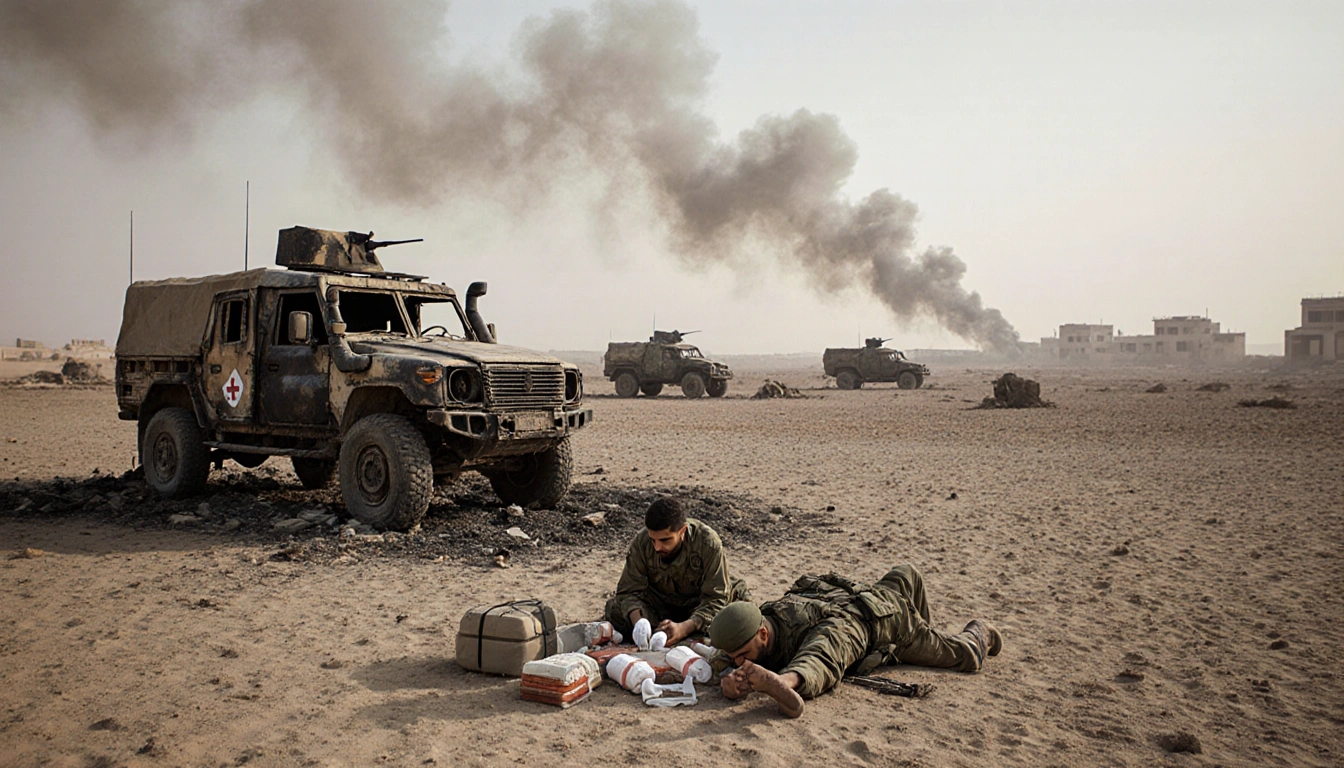
Amr Al Bidh, a foreign-affairs special representative for the council, told The Associated Press that his fighters had been operating in eastern Hadramout on Friday after facing “multiple ambushes” from gunmen. “Those attacks killed two fighters with the Council and wounded 12 others,” Al Bidh said. He added that the Saudi airstrikes occurred after those ambushes. An eyewitness to the strikes, Ahmed al-Khed, said he saw destroyed military vehicles afterward, which he believed belonged to forces allied to the council.
Warnings and Preceding Tensions
Faez bin Omar, a leading member of a coalition of tribes in Hadramout, told the AP that he believed the strikes served as a warning to the council to withdraw its fighters from the area. The council’s move earlier this month into Yemen’s governorates of Hadramout and Mahra pushed out forces affiliated with the Saudi-backed National Shield Forces, another group in the coalition fighting the Houthis. Those aligned with the council have increasingly flown the flag of South Yemen, which was a separate country from 1967 to 1990.
Regional Dynamics and UAE Response
The separatists’ actions have put pressure on the relationship between Saudi Arabia and the UAE, which maintain close ties as members of the OPEC oil cartel but have also competed for influence and international business in recent years. The UAE issued a statement Friday saying it “welcomed the efforts undertaken by the Kingdom of Saudi Arabia to support security and stability” in Yemen. “The UAE reaffirmed its steadfast commitment to supporting all endeavors aimed at strengthening stability and development in Yemen, contributing positively to regional security and prosperity,” it added.
Context of the Yemen Conflict
Following the capture of Yemen’s capital, Sanaa, and much of the north by the Houthis in 2014, Aden has been the seat of power for the internationally recognized government and forces aligned against the rebels. The war has killed more than 150,000 people, including fighters and civilians, and created one of the globe’s worst humanitarian disasters, killing tens of thousands more. The Houthis have launched attacks on hundreds of ships in the Red Sea corridor over the Israel-Hamas war, greatly disrupting regional shipping.
International Involvement and Humanitarian Impact
Washington launched an intense bombing campaign targeting the rebels earlier this year that U.S. President Donald Trump halted just before his trip to the Middle East in October. The Biden administration also conducted strikes against the Houthis, including using B-2 bombers to target what it described as underground bunkers used by the Houthis. The war’s escalation could again draw in the United States, while the kingdom and the Emirates also support opposing forces in Sudan’s ongoing war.
Key Takeaways
- Separatists accuse Saudi Arabia of airstrikes that killed two fighters and wounded 12 in Hadramout.
- The strikes followed a Saudi warning to withdraw from recently seized governorates.
- The UAE praised Saudi efforts to maintain stability, while tensions rise between the two Gulf allies.
The latest accusations underscore the fragile nature of the Saudi-led coalition’s efforts to contain the Houthi insurgency and highlight the complex web of regional alliances that continue to shape Yemen’s protracted conflict.