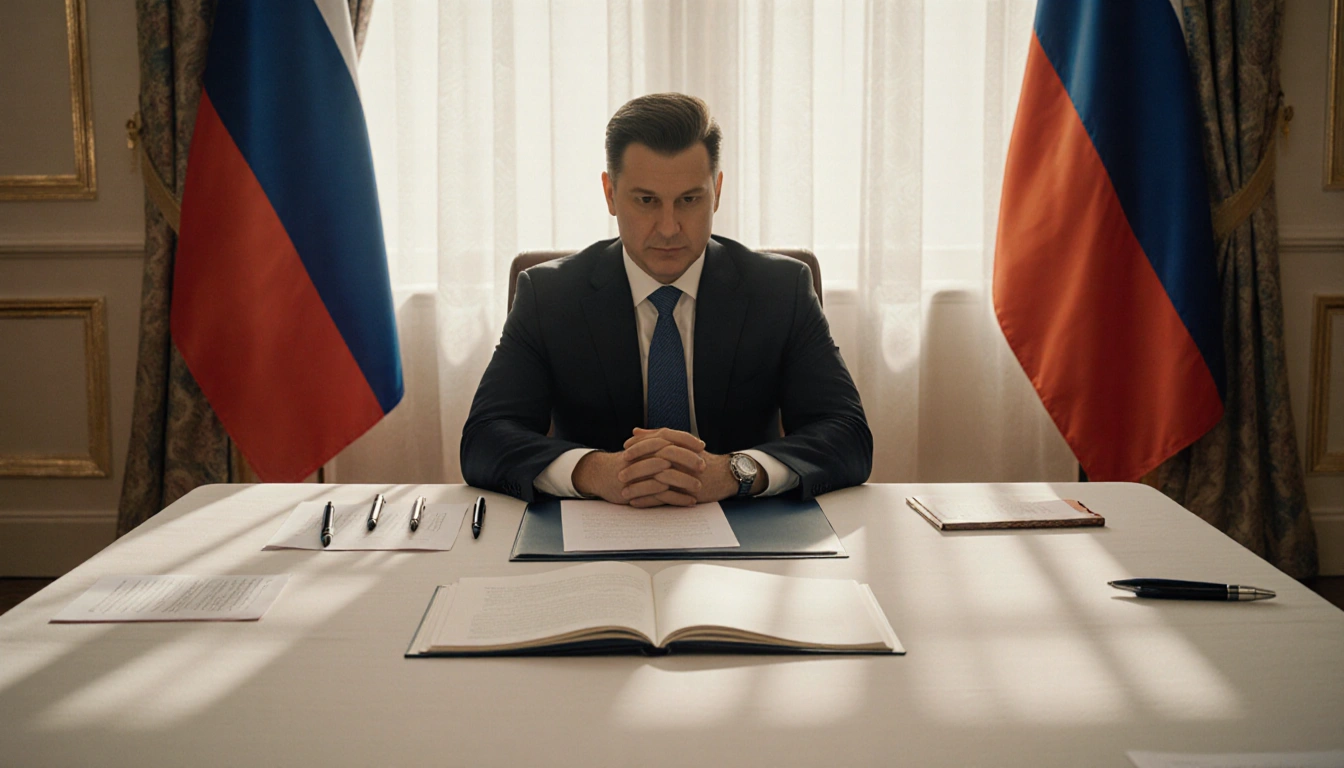
In a sharp turn of events, Ukrainian President Volodymyr Zelenskyy told reporters that a U.S.-backed proposal to end the war could be wrapped up in a matter of days. The plan, discussed in Berlin on Monday, would then be presented to the Kremlin, with the possibility of further talks in the United States next weekend.
Berlin Talks Yield a “Very Workable” Draft
During the Berlin meeting, Zelenskyy described the draft peace plan as “not perfect” but “very workable.” He warned that key issues, especially the status of Ukrainian territory occupied by Russian forces, remain unresolved. The U.S. and Kyiv, along with Western European partners, have been pushing the draft forward, and the momentum appears to be building.
Security Guarantees at the Core
Zelenskyy said that after the Berlin talks “we are very close to a deal on strong security guarantees.” An official from a NATO member country, speaking on condition of anonymity, explained that the proposal would rely on Western help to keep the Ukrainian army strong. The plan calls for a multinational, multi-domain force led by Europeans to strengthen Ukrainian troops and secure the country from land, sea and air threats. The United States would lead a ceasefire monitoring and verification mechanism with international participation.
Russia’s Stance on a Comprehensive Settlement
Kremlin spokesman Dmitry Peskov reiterated that Russia seeks a comprehensive peace deal, not a temporary truce. “If Ukraine seeks momentary, unsustainable solutions, we are unlikely to be ready to participate,” Peskov told reporters. “We want peace – we don’t want a truce that would give Ukraine a respite and prepare for the continuation of the war,” he added. Russia wants to stop the war, achieve its goals, secure its interests, and guarantee peace in Europe for the future.
U.S. Consensus and Trump’s Comments
American officials said Monday that Ukraine and Europe agree on about 90 % of the U.S.-authored peace plan. U.S. President Donald Trump said, “I think we’re closer now than we have been, ever” to a peace settlement. The U.S. side sees the plan as a viable path forward, though several potential pitfalls remain.
The Land Issue Remains Contentious
Zelenskyy reiterated that Kyiv rules out recognizing Moscow’s control over any part of the Donbas, the economically important region in eastern Ukraine made up of Luhansk and Donetsk. While Russia’s army does not fully control either area, Trump has previously indicated that Ukraine will have to cede territory. “The Americans are trying to find a compromise,” Zelenskyy said before visiting the Netherlands on Tuesday. “They are proposing a ‘free economic zone’ (in the Donbas). And I want to stress once again: a ‘free economic zone’ does not mean under the control of the Russian Federation.”
Putin’s Demands for Recognition
Putin wants all the areas in four key regions that his forces have seized, as well as the Crimean Peninsula, which Moscow annexed in 2014, to be recognized as Russian territory. Zelenskyy warned that if Putin rejects diplomatic efforts, Ukraine expects increased Western pressure on Moscow, including tougher sanctions and additional military support for defense, such as enhanced air-defense systems and long-range weapons.
Ukraine’s Motivation for Accountability
Zelenskyy said that what drives Kyiv officials in negotiations is the need to hold Russia “accountable for what it has done – for this war, for all the killings, for all the suffering.” Ukraine and the U.S. are preparing up to five documents related to the peace framework, several of them focused on security.
A Message of Unity
He was upbeat about the progress in the Berlin talks. “Overall, there was a demonstration of unity,” Zelenskyy said. “It was truly positive in the sense that it reflected the unity of the U.S., Europe, and Ukraine.”
Key Takeaways
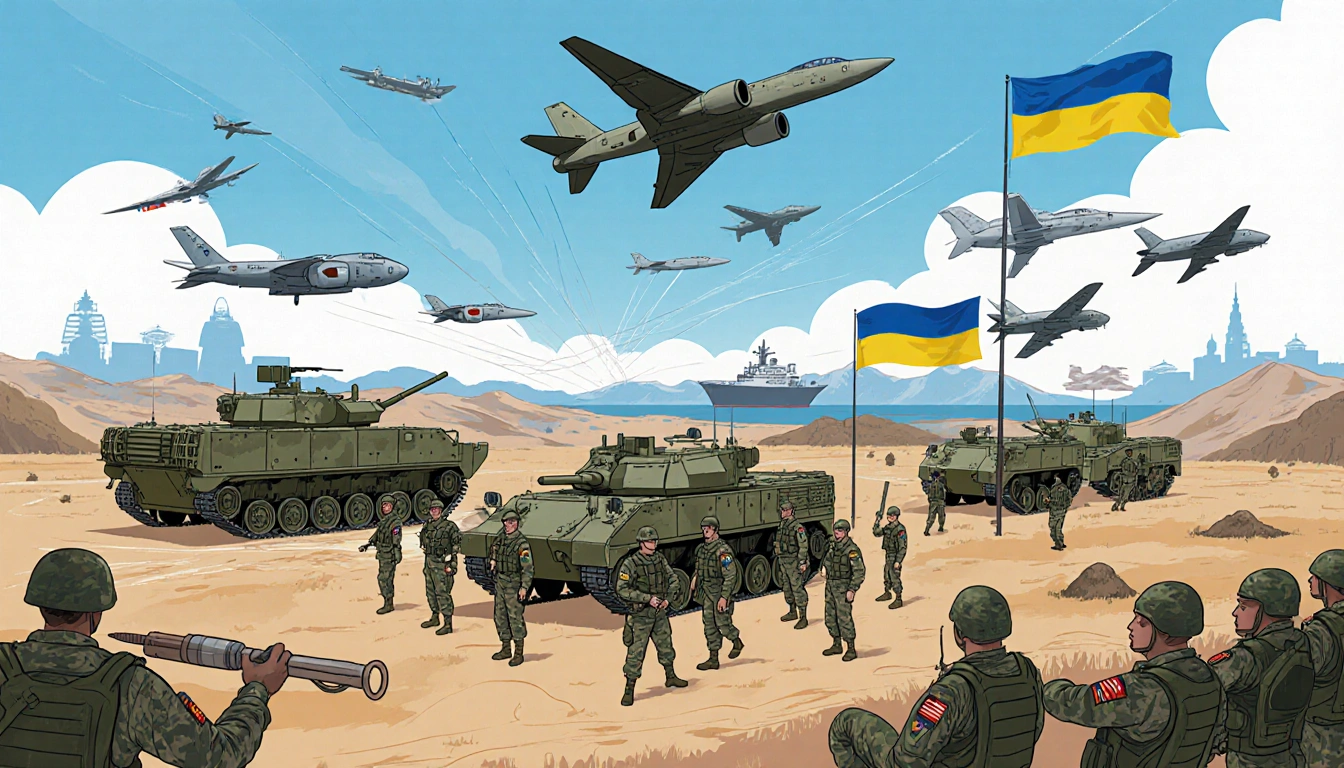
- The U.S.-backed draft peace plan could be finalized within days and presented to Moscow.
- Strong security guarantees, backed by a multinational force and U.S. monitoring, are central to the proposal.
- Russia insists on a comprehensive settlement, rejecting temporary truces that could prolong the conflict.
- The land issue, particularly the Donbas and Crimea, remains a major sticking point.
- Ukraine seeks accountability for war-related crimes and a decisive end to the conflict.
The coming days will determine whether the negotiated proposals can bridge the gaps between Kyiv, Washington, and Moscow, potentially setting the stage for a lasting resolution to the war.